
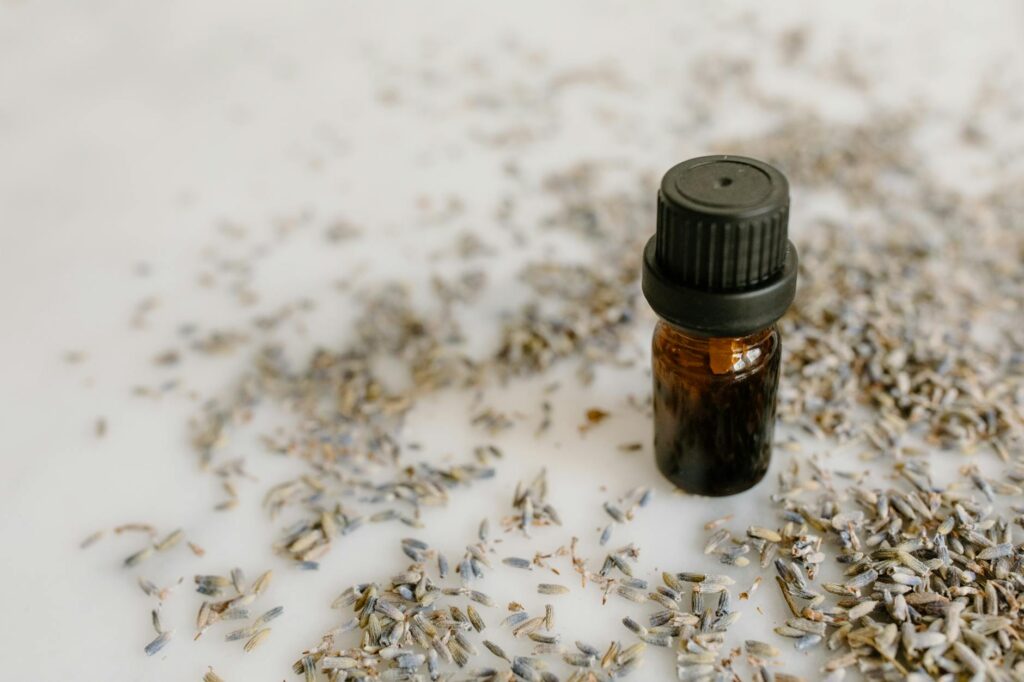
How to Use Botanical Ingredients – Baobab Oil
Introduction
Baobab oil, extracted from the seeds of the Baobab tree (Adansonia digitata), has garnered attention in the world of natural skincare and aromatherapy. This oil has been cherished for centuries in African cultures for its nourishing properties and versatile applications. With a growing interest in botanical ingredients, baobab oil is becoming increasingly popular in global markets. This article explores baobab oil, its benefits, uses, and applications in aromatherapy.
What Is Botanical Ingredients – Baobab Oil?
Baobab oil is derived from the seeds of the baobab tree, often referred to as the “Tree of Life.” Native to Africa, the baobab tree is known for its unique shape, longevity, and ability to store water in its trunk. The oil is cold-pressed from the seeds and is characterized by its light texture and pale yellow color. Rich in essential fatty acids, vitamins, and antioxidants, baobab oil is a valuable addition to various personal care formulations and therapeutic practices.
Key Benefits and Properties
Baobab oil is renowned for its numerous beneficial properties, making it a sought-after ingredient in skincare and wellness products:
1. High Nutritional Content
Baobab oil boasts a rich profile of vitamins A, D, E, and F, which contribute to skin health and vitality. The oil is also high in omega-3, omega-6, and omega-9 fatty acids, which are essential for maintaining skin elasticity and hydration.
2. Antioxidant Properties
The oil contains powerful antioxidants that help combat free radicals, potentially reducing the signs of aging and supporting overall skin health.
3. Moisturizing Effects
Baobab oil is easily absorbed into the skin, providing deep hydration without leaving a greasy residue. It helps to lock in moisture, making it suitable for various skin types, including dry and sensitive skin.
4. Anti-inflammatory Qualities
The oil’s anti-inflammatory properties can soothe irritated skin and may help alleviate conditions such as eczema and psoriasis.
5. Strengthening Hair
Baobab oil is also beneficial for hair care, as it can nourish and strengthen hair strands, enhancing shine and elasticity.
Common Uses
Baobab oil’s versatility allows for a wide range of applications, including:
1. Skincare Products
Baobab oil is often found in moisturizers, serums, and facial oils. Its lightweight texture makes it suitable for daily use, helping to promote a smooth and hydrated complexion.
2. Hair Care Formulations
Due to its nourishing properties, baobab oil is included in shampoos, conditioners, and hair masks, providing moisture and enhancing hair manageability.
3. Body Care
Many body lotions and creams utilize baobab oil for its hydrating and soothing effects, making it an excellent addition to products designed for dry or sensitive skin.
4. Natural Cosmetics
Baobab oil is used in various cosmetic formulations, including lip balms and makeup products, thanks to its emollient properties.
Aromatherapy Applications
In the realm of aromatherapy, baobab oil is often used as a carrier oil due to its light texture and skin-friendly properties. Here are some ways it can be applied:
1. Dilution for Essential Oils
Baobab oil can be mixed with essential oils to create personalized blends for topical application. This not only enhances the therapeutic properties of essential oils but also helps to protect the skin from irritation.
2. Massage Oil
When blended with essential oils, baobab oil can serve as an excellent massage oil, providing both nourishment to the skin and relaxation through aromatic experiences.
3. Aromatic Diffusion
While baobab oil itself does not have a strong scent, it can be used in conjunction with essential oils in diffusers to create a calming atmosphere.
4. Skin Nourishment Post-Aromatherapy
After an aromatherapy session, applying baobab oil on the skin can further enhance the benefits of essential oils, ensuring that the skin remains hydrated and healthy.
Safety Considerations
While baobab oil is generally considered safe for topical use, there are several precautions to keep in mind:
1. Patch Test
It is advisable to conduct a patch test before using baobab oil for the first time. Apply a small amount to a discreet area of skin to check for any potential allergic reactions.
2. Avoid Eye Contact
As with any oil, it is essential to keep baobab oil away from the eyes. If contact occurs, rinse thoroughly with water.
3. Consult a Professional
Although baobab oil is primarily used for external applications, individuals with specific skin conditions or sensitivities should consult a healthcare professional before use.
Storage and Shelf Life
Proper storage of baobab oil is crucial to maintain its quality and extend its shelf life:
1. Keep in a Cool, Dark Place
To prevent oxidation, store baobab oil in a cool, dark location, away from direct sunlight and heat sources.
2. Use an Airtight Container
Baobab oil should be kept in a tightly sealed, opaque container to protect it from light and air exposure.
3. Shelf Life
When stored correctly, baobab oil can last up to 18 months. However, it is essential to check for any changes in color, smell, or consistency before use, as these may indicate spoilage.
Frequently Asked Questions
1. Can baobab oil be used on all skin types?
Yes, baobab oil is suitable for various skin types, including dry, oily, and sensitive skin. Its lightweight texture allows for easy absorption.
2. Is baobab oil safe for children?
Baobab oil is generally considered safe for children. However, it is advisable to consult with a healthcare professional before introducing new oils into a child’s skincare routine.
3. Can baobab oil be ingested?
While baobab oil is primarily used for topical applications, some sources suggest it may be consumed in small amounts. However, it is crucial to consult with a healthcare professional before ingesting any oil.
4. How does baobab oil compare to other carrier oils?
Baobab oil is often favored for its light texture and high nutrient content compared to other carrier oils like jojoba or coconut oil. Its unique properties make it an excellent choice for those seeking a nourishing oil that absorbs quickly.
5. Can I mix baobab oil with other essential oils?
Yes, baobab oil works well as a carrier oil, allowing for the safe dilution of essential oils for topical application or massage.
Conclusion
Baobab oil is a remarkable botanical ingredient with a rich history and numerous benefits for skincare and aromatherapy. Its versatility and nourishing properties make it an excellent choice for a wide range of applications, from moisturizing lotions to hair care products. By understanding how to use baobab oil effectively and safely, individuals can harness its potential as part of their natural wellness and beauty routines. With proper storage and application techniques, baobab oil can be a valuable addition to any botanical ingredient collection.