
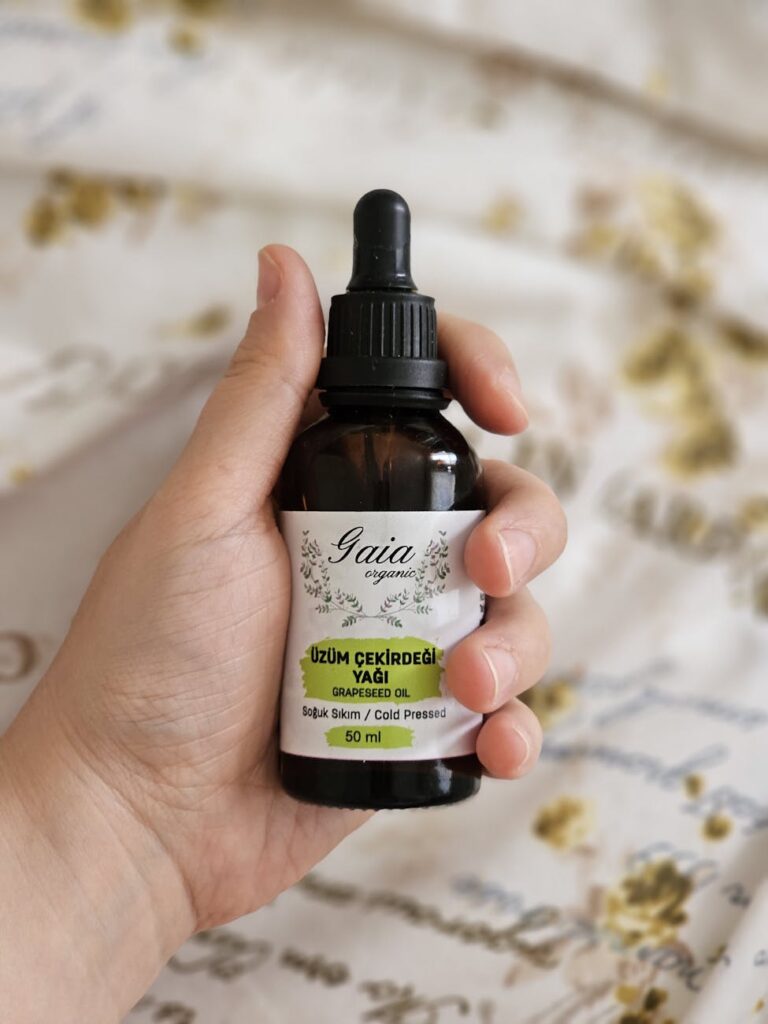
How to Use Botanical Ingredients – Grapeseed Oil
Introduction
Grapeseed oil, derived from the seeds of grapes, is a versatile and widely used botanical ingredient in both culinary and cosmetic applications. Known for its light texture and mild flavor, grapeseed oil has gained popularity in the beauty and wellness industries due to its array of beneficial properties. This article aims to provide a comprehensive overview of grapeseed oil, including its benefits, uses, and safety considerations.
What Is Botanical Ingredients – Grapeseed Oil?
Grapeseed oil is a carrier oil extracted from the seeds of the grapevine (Vitis vinifera). The oil is typically obtained through a cold-pressing process that preserves its beneficial properties and nutrients. Grapeseed oil is characterized by its light, non-greasy texture and is often used as a base for essential oils in aromatherapy and skincare formulations.
The oil is rich in polyunsaturated fatty acids, particularly linoleic acid, making it an excellent choice for cosmetic applications and culinary uses alike. It is often favored for its ability to absorb quickly into the skin without leaving a greasy residue.
Key Benefits and Properties
Grapeseed oil is recognized for its numerous benefits, which can be attributed to its rich composition:
1. High in Antioxidants: The oil contains vitamin E, a potent antioxidant that helps protect the skin from oxidative stress and environmental damage.
2. Moisturizing Properties: Due to its high linoleic acid content, grapeseed oil is an effective moisturizer, making it suitable for various skin types, including oily and acne-prone skin.
3. Anti-Inflammatory Effects: The oil is known to possess anti-inflammatory properties that can help soothe irritated skin.
4. Lightweight Texture: Its lightweight nature makes it an ideal choice for those seeking a non-comedogenic moisturizer that won’t clog pores.
5. Emollient Qualities: Grapeseed oil acts as an emollient, helping to soften and smooth the skin, which is beneficial in both skincare and haircare products.
6. Supports Hair Health: It can nourish hair, adding shine and reducing frizz, while also promoting healthy scalp conditions.
Common Uses
Grapeseed oil is a multi-functional ingredient that can be utilized in various applications:
Culinary Uses
- Cooking: Grapeseed oil has a high smoke point, making it suitable for high-temperature cooking methods such as frying and sautéing. Its neutral flavor allows it to blend seamlessly into various dishes.
- Salad Dressings: The oil can be used to create light and flavorful salad dressings. When combined with vinegar or lemon juice, it enhances the taste of fresh greens and vegetables.
- Marinades: Grapeseed oil can be used as a base for marinades, allowing flavors to penetrate meats and vegetables effectively.
- Skincare: It is commonly used in lotions, creams, and serums due to its moisturizing and antioxidant properties. Grapeseed oil can be applied directly to the skin or blended with other oils and essential oils.
- Haircare: Grapeseed oil is often included in shampoos, conditioners, and hair masks. It can help detangle hair, reduce breakage, and promote overall hair health.
- Massage Oil: Due to its smooth application and ability to absorb quickly, grapeseed oil serves as an excellent carrier oil for massage blends.
- For topical application, a common dilution ratio is 2-3% essential oil to carrier oil. This typically translates to about 12-18 drops of essential oil per ounce of grapeseed oil.
- Always perform a patch test before using any new blend to ensure there are no adverse reactions.
- Allergies: Individuals with a known allergy to grapes or other related fruits should avoid using grapeseed oil.
- Skin Sensitivity: Although grapeseed oil is gentle, it is advisable to perform a patch test, especially when combining it with essential oils.
- Pregnancy and Nursing: Pregnant or nursing individuals should consult with a healthcare provider before using grapeseed oil or any new essential oil blends.
- Storage: Store grapeseed oil in a cool, dark place, away from direct sunlight and heat sources. A dark glass bottle can help protect the oil from light exposure.
- Shelf Life: When stored properly, grapeseed oil has a shelf life of approximately 6 to 12 months. It is advisable to check for any off odors or changes in color before use, as these may indicate spoilage.
Cosmetic Uses
Aromatherapy Applications
In aromatherapy, grapeseed oil serves primarily as a carrier oil, facilitating the safe application of essential oils on the skin. Its lightweight texture and skin-friendly properties make it an excellent choice for diluting concentrated essential oils.
Blending Essential Oils
When blending essential oils with grapeseed oil, it is essential to follow general dilution guidelines:
Diffusion
While grapeseed oil is not typically used in diffusers, it can be combined with essential oils in topical applications or massage oils to enhance the aromatic experience during a treatment session.
Safety Considerations
Grapeseed oil is generally considered safe for topical application and consumption. However, there are a few considerations to keep in mind:
Storage and Shelf Life
To maintain the quality of grapeseed oil, proper storage is essential:
Frequently Asked Questions
1. Can grapeseed oil be used for cooking?
Yes, grapeseed oil is suitable for cooking due to its high smoke point and neutral flavor, making it ideal for sautéing, frying, and salad dressings.
2. Is grapeseed oil non-comedogenic?
Grapeseed oil is generally considered non-comedogenic, meaning it is unlikely to clog pores, making it suitable for oily and acne-prone skin.
3. Can grapeseed oil be used for hair?
Yes, grapeseed oil can be used in haircare products or applied directly to the hair and scalp to help nourish and moisturize.
4. How should grapeseed oil be diluted for topical use?
A common dilution ratio for topical use is 2-3% essential oil to carrier oil (grapeseed oil). This equates to approximately 12-18 drops of essential oil per ounce of grapeseed oil.
5. How can I tell if grapeseed oil has gone bad?
Signs of spoilage include an off or rancid smell, changes in color, or a thickened consistency. If you notice any of these changes, it is best to discard the oil.
Conclusion
Grapeseed oil is a remarkable botanical ingredient with a plethora of applications in cooking, skincare, and aromatherapy. Its beneficial properties, versatility, and light texture make it a valuable addition to any wellness or beauty routine. Understanding how to use this oil effectively can enhance both culinary experiences and skincare regimens, allowing individuals to harness the benefits of this exceptional botanical ingredient.