
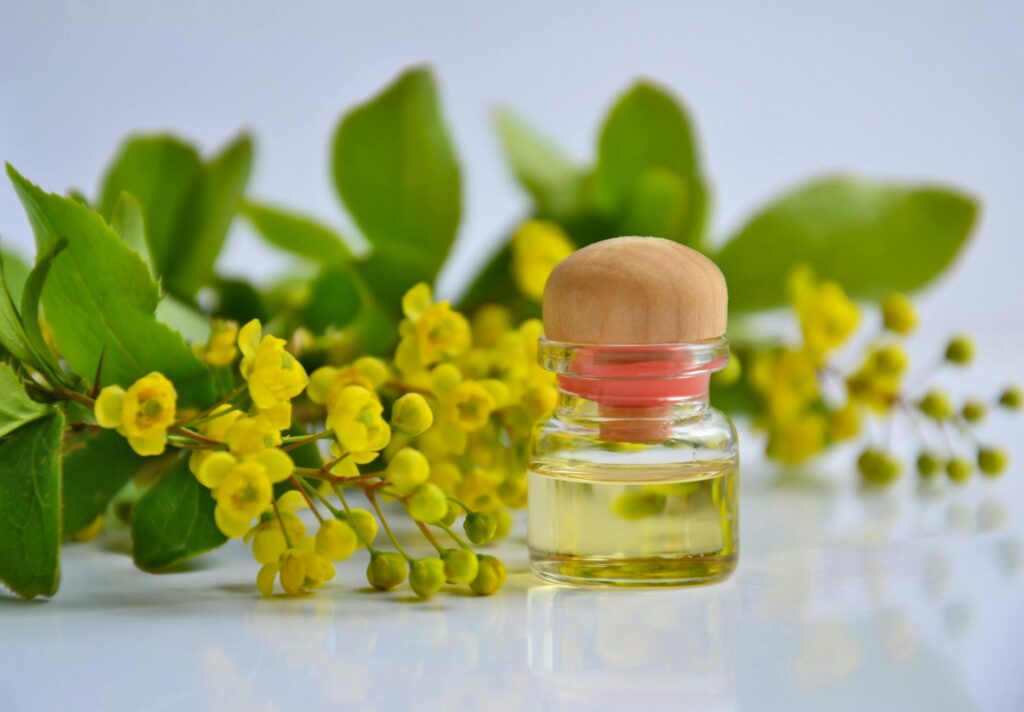
How to Use Botanical Ingredients – Maracuja Oil
Introduction
Maracuja oil, derived from the seeds of the passion fruit (Passiflora edulis), has gained considerable attention in the world of natural beauty and wellness. Known for its nourishing properties and versatility, this oil is a key ingredient in many skincare products, aromatherapy blends, and holistic wellness practices. In this article, we will explore maracuja oil’s origins, benefits, common uses, applications in aromatherapy, safety considerations, and storage tips, providing a comprehensive look at this botanical ingredient.
What Is Botanical Ingredients – Maracuja Oil?
Maracuja oil, also referred to as passion fruit seed oil, is extracted from the seeds of the maracuja fruit, a tropical fruit native to South America. The oil is cold-pressed, preserving its nutritional profile and vibrant yellow-orange hue. It is rich in essential fatty acids, antioxidants, vitamins, and minerals, making it a sought-after ingredient in both cosmetic and therapeutic applications.
The maracuja plant is not only valued for its fruit but also for its flowers, which are known for their intricate beauty and are used in various ornamental applications. The oil itself has a light texture and is easily absorbed by the skin, which enhances its appeal in skincare formulations.
Key Benefits and Properties
Maracuja oil boasts a myriad of benefits and properties that contribute to its popularity:
1. Rich in Fatty Acids: It is particularly high in linoleic acid, an omega-6 fatty acid that helps maintain the skin’s barrier, promoting hydration and elasticity.
2. Antioxidant Properties: The oil contains significant amounts of vitamin C and other antioxidants that help combat free radicals, potentially reducing the signs of aging.
3. Anti-inflammatory Effects: Maracuja oil can help soothe irritated skin, making it suitable for those with sensitive or reactive skin types.
4. Moisturizing: Its emollient properties provide deep hydration, making it an excellent choice for dry or dehydrated skin.
5. Non-comedogenic: Maracuja oil is lightweight and non-greasy, making it suitable for all skin types, including oily and acne-prone skin.
6. Nutrient-Rich: In addition to fatty acids, maracuja oil is a source of vitamins A and E, both of which are beneficial for skin health.
Common Uses
Maracuja oil is a versatile ingredient used in various applications:
1. Skincare: It is commonly found in moisturizers, serums, and facial oils. Due to its lightweight nature, it is suitable for layering with other products.
2. Haircare: The oil can be used in hair masks, conditioners, and styling products to nourish and hydrate hair, improve shine, and reduce frizz.
3. Massage Oil: Its soothing properties make it an ideal base for massage oils, offering skin benefits while providing a relaxing experience.
4. Cosmetic Formulations: Maracuja oil is often included in makeup products, particularly those that aim to provide hydration and a dewy finish.
5. DIY Recipes: Enthusiasts of natural beauty often incorporate maracuja oil into homemade lotions, scrubs, and treatments.
Aromatherapy Applications
In aromatherapy, maracuja oil can be utilized in several ways:
1. Diffusion: While maracuja oil itself does not have a strong aroma, it can be blended with essential oils that have complementary scents, such as citrus or floral oils, to enhance the overall experience.
2. Topical Application: When diluted with a carrier oil, maracuja oil can be applied to pulse points for its calming and uplifting effects.
3. Bath Products: Incorporating maracuja oil into bath blends can provide skin benefits while promoting relaxation.
4. Inhalation: Adding a few drops of maracuja oil to a bowl of hot water for steam inhalation may offer a soothing experience, particularly when combined with essential oils known for their calming properties.
Safety Considerations
While maracuja oil is generally considered safe for topical use, it is essential to observe the following safety considerations:
1. Patch Test: Before using maracuja oil for the first time, perform a patch test to check for any allergic reactions or skin sensitivities.
2. Dilution: When using maracuja oil in aromatherapy or skincare, it is advisable to dilute it with a carrier oil to reduce the risk of irritation, especially for sensitive skin.
3. Storage: Keep the oil in a cool, dark place, away from direct sunlight, to preserve its quality and efficacy.
4. Consultation: If you are pregnant, nursing, or have any specific health concerns, consult a qualified professional before incorporating new botanical ingredients into your routine.
Storage and Shelf Life
To maximize the shelf life of maracuja oil, consider the following storage tips:
1. Cool and Dark Environment: Store the oil in a cool, dark place, preferably in a glass container to minimize exposure to light and heat.
2. Avoid Contamination: Ensure that the dropper or applicator does not come into contact with surfaces to prevent contamination.
3. Expiration: Maracuja oil typically has a shelf life of about 1 to 2 years when stored properly. Always check for any changes in smell, color, or texture before use, as these may indicate spoilage.
Frequently Asked Questions
What is the origin of maracuja oil?
Maracuja oil comes from the seeds of the passion fruit, which is native to South America but is now cultivated in many tropical and subtropical regions around the world.
Can maracuja oil be used for all skin types?
Yes, maracuja oil is lightweight and non-comedogenic, making it suitable for a variety of skin types, including oily, dry, and sensitive skin.
How can I incorporate maracuja oil into my skincare routine?
Maracuja oil can be used alone as a facial oil, added to your favorite moisturizer, or mixed with other oils and essential oils for enhanced benefits.
Is maracuja oil safe for pregnant women?
While maracuja oil is generally considered safe, it is always best to consult with a healthcare professional before using any new products during pregnancy.
Can maracuja oil be used in hair care?
Yes, maracuja oil is often used in hair care products to nourish and hydrate hair, improve shine, and reduce frizz.
Conclusion
Maracuja oil is a remarkable botanical ingredient that offers a plethora of benefits for skincare, haircare, and aromatherapy. Its rich nutrient profile and versatility make it a valuable addition to any natural beauty or wellness routine. By understanding how to use maracuja oil safely and effectively, individuals can harness its potential for enhancing their overall well-being. Whether through commercial products or DIY applications, incorporating maracuja oil into your regimen can lead to a more radiant, hydrated, and balanced complexion.