
How to Use Botanical Ingredients – Marula Oil
Introduction
Marula oil, derived from the nuts of the marula tree (Sclerocarya birrea), has gained widespread popularity in the world of skincare and aromatherapy. Native to Southern Africa, this oil has been used for centuries by local communities for its nourishing and protective properties. As the global interest in natural and botanical ingredients grows, understanding the benefits and applications of marula oil becomes increasingly relevant for both enthusiasts and practitioners of aromatherapy.
What Is Botanical Ingredients – Marula Oil?
Marula oil is extracted from the seeds of the marula fruit, which is harvested from the marula tree. The extraction process typically involves cold-pressing the seeds, which helps to retain the oil’s beneficial properties. The oil has a light, non-greasy texture and a subtle, nutty aroma, making it suitable for various applications in skincare and aromatherapy.
Rich in essential fatty acids, antioxidants, and vitamins, marula oil is often celebrated for its moisturizing properties. Its composition includes oleic acid, palmitic acid, and linoleic acid, which all contribute to its effectiveness in nourishing and protecting the skin.
Key Benefits and Properties
Moisturizing
One of the primary benefits of marula oil is its ability to hydrate the skin. The high content of fatty acids allows it to penetrate deeply, providing lasting moisture without leaving a greasy residue.
Antioxidant-Rich
Marula oil is a powerful source of antioxidants, primarily vitamin E and polyphenols. These compounds help neutralize free radicals and can protect the skin from environmental damage, promoting a healthier appearance.
Anti-Inflammatory
The oil also exhibits anti-inflammatory properties, which can help soothe irritated skin and reduce redness. This makes it a suitable option for individuals with sensitive or reactive skin types.
Non-Comedogenic
Unlike some heavier oils, marula oil is often classified as non-comedogenic, meaning it is unlikely to clog pores. This quality makes it an excellent choice for individuals with oily or acne-prone skin.
Nutrient-Dense
In addition to fatty acids and antioxidants, marula oil contains essential vitamins and minerals, including vitamin C, which can help brighten the skin and promote an even complexion.
Common Uses
Skincare
Marula oil is widely used in skincare formulations due to its hydrating and nourishing properties. It can be applied directly to the skin as a facial oil or incorporated into creams and lotions. Its fast-absorbing nature makes it suitable for all skin types, including oily and combination skin.
Hair Care
In hair care, marula oil can be used to tame frizz, add shine, and moisturize dry strands. It can be applied as a leave-in treatment or added to shampoos and conditioners to enhance their moisturizing properties.
Makeup
Marula oil can also serve as a primer, providing a smooth base for makeup application. Its lightweight texture helps create a natural finish while delivering hydration throughout the day.
Aromatherapy Applications
In aromatherapy, marula oil is often combined with essential oils to enhance their therapeutic effects. While marula oil itself is not an essential oil, it can serve as a carrier oil, diluting potent essential oils for safe topical application.
Blending with Essential Oils
Marula oil pairs well with various essential oils, including:
- Lavender: Known for its calming properties, lavender essential oil can create a soothing blend when mixed with marula oil.
- Tea Tree: When combined, tea tree oil’s antiseptic qualities can be enhanced with marula oil’s moisturizing benefits, making it a great option for blemish-prone skin.
- Frankincense: This essential oil is often used for its rejuvenating properties, and blending it with marula oil can create a luxurious facial treatment.
Diffusion
While marula oil is not typically used in a diffuser, it can be combined with essential oils for a fragrant and beneficial atmosphere. Choose essential oils that complement marula oil’s subtle nutty scent for an uplifting aroma.
Safety Considerations
While marula oil is generally considered safe for topical use, it is important to conduct a patch test before applying it to larger areas of the skin. Apply a small amount of diluted marula oil to a discreet area and wait 24 hours to check for any adverse reactions.
Allergies
Individuals with nut allergies should exercise caution when using marula oil, as it is derived from a seed. Consulting with a healthcare professional or a certified aromatherapist is advisable for those with known sensitivities.
Dilution Guidelines
When using marula oil as a carrier oil, it can be blended with essential oils, following general dilution guidelines. For topical application, a typical dilution ratio is 2-5% essential oil to carrier oil.
Storage and Shelf Life
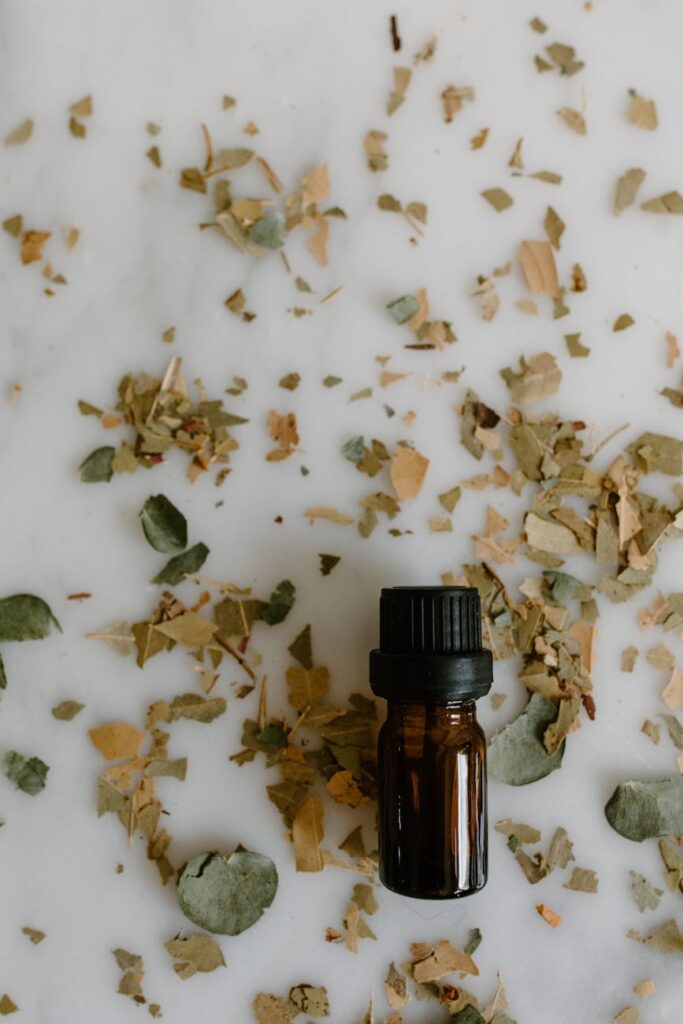
To maintain the quality and efficacy of marula oil, proper storage is essential. It should be kept in a cool, dark place, away from direct sunlight and heat sources. A dark glass bottle is ideal for preserving the oil’s properties and preventing oxidation.
Shelf Life
When stored correctly, marula oil has a shelf life of approximately 1-2 years. Regularly checking for changes in color, smell, or consistency can help determine if the oil is still suitable for use.
Frequently Asked Questions
Can I use marula oil on my hair?
Yes, marula oil is an excellent choice for hair care. It can help moisturize dry strands, reduce frizz, and add shine. It can also be added to various hair care products for enhanced benefits.
Is marula oil suitable for oily skin?
Yes, marula oil is often recommended for oily or acne-prone skin due to its non-comedogenic properties. It hydrates without clogging pores, making it a versatile option for various skin types.
How should I apply marula oil?
Marula oil can be applied directly to the skin, used as a carrier oil for essential oils, or incorporated into your skincare routine. A few drops can be massaged into the skin or added to creams and lotions for added moisture.
Can marula oil be used during pregnancy?
While marula oil is generally considered safe, it is always best to consult a healthcare professional before using any new products during pregnancy.
Where can I purchase marula oil?
Marula oil is widely available in health food stores, beauty supply shops, and online retailers. Look for high-quality, cold-pressed options to ensure you are getting the most benefits.
Conclusion
Marula oil is a remarkable botanical ingredient that offers a multitude of benefits for skincare and aromatherapy applications. Its rich composition and versatile uses make it a valuable addition to any natural wellness routine. By understanding its properties and applications, individuals can harness the nourishing effects of marula oil to enhance their overall well-being. As with any natural product, it is essential to approach its use with knowledge and care, ensuring that it complements your personal needs and preferences.