
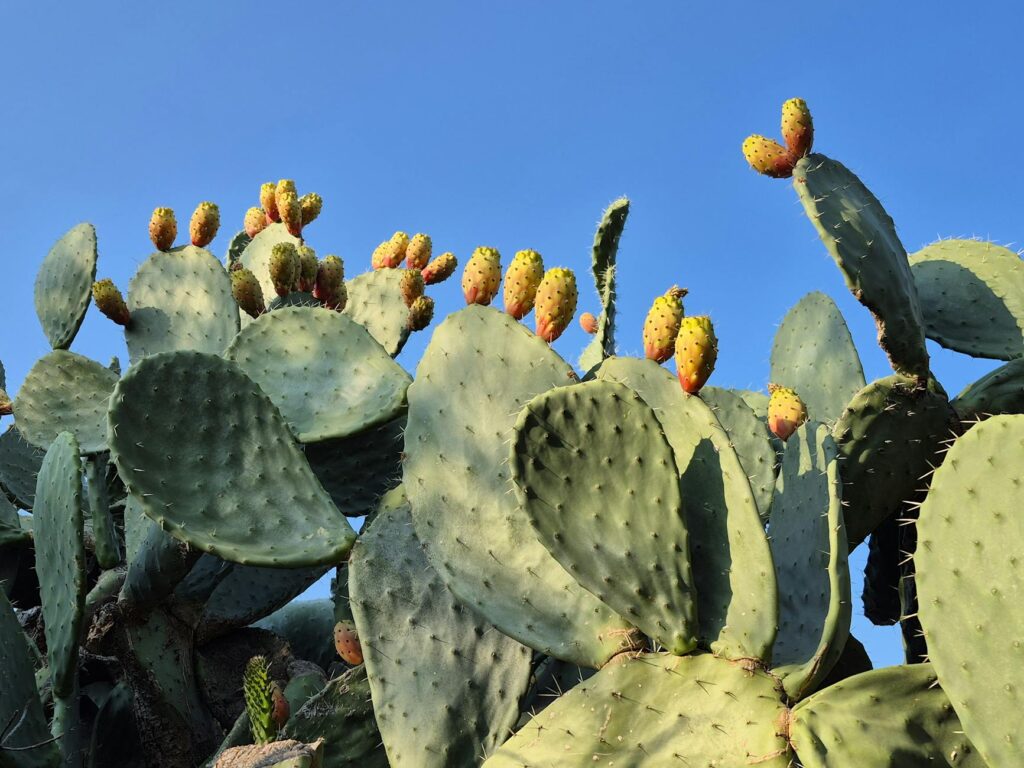
How to Use Botanical Ingredients – Prickly Pear Seed Oil
Introduction
In the realm of natural skincare and holistic health, botanical ingredients have gained significant popularity for their diverse benefits and applications. Among these, prickly pear seed oil stands out due to its rich nutrient profile and versatility. Extracted from the seeds of the Opuntia ficus-indica, commonly known as the prickly pear cactus, this oil is renowned for its hydrating, anti-aging, and skin-soothing properties. This article delves into the characteristics, benefits, applications, and safe usage of prickly pear seed oil, providing a comprehensive guide for those interested in incorporating this botanical ingredient into their routines.
What Is Botanical Ingredients – Prickly Pear Seed Oil?
Prickly pear seed oil is derived from the seeds of the prickly pear, a cactus native to Mexico and other arid regions. The extraction process usually involves cold pressing, which preserves the oil’s nutrient content. Prickly pear seed oil is light and easily absorbed by the skin, making it an ideal choice for various cosmetic and therapeutic applications. The oil has a pale yellow to green hue and a mild, nutty aroma.
Composition
Prickly pear seed oil is rich in essential fatty acids, including linoleic acid (omega-6) and oleic acid (omega-9), which are crucial for maintaining skin moisture and elasticity. It also contains tocopherols (vitamin E), phytosterols, and antioxidants that contribute to its skin-nourishing properties. The presence of betalains, a type of antioxidant, adds to the oil’s anti-inflammatory and protective qualities.
Key Benefits and Properties
Prickly pear seed oil is celebrated for several key benefits that make it an essential component in skincare and wellness products:
1. Moisturizing Properties
Due to its high content of fatty acids, prickly pear seed oil is an excellent moisturizer. It helps to lock in moisture, making it suitable for dry, sensitive, and aging skin.
2. Anti-Aging Effects
The oil’s antioxidants, particularly vitamin E, combat free radicals that contribute to skin aging. Regular use can help reduce the appearance of fine lines, wrinkles, and age spots.
3. Soothing and Anti-Inflammatory
Prickly pear seed oil exhibits anti-inflammatory properties, making it beneficial for calming irritated skin conditions such as eczema and psoriasis. Its soothing nature also helps reduce redness and inflammation.
4. Improved Skin Tone and Texture
With consistent use, prickly pear seed oil can enhance skin tone and texture. It promotes cell regeneration, leading to a more even complexion.
5. Rich in Nutrients
The oil contains essential vitamins and minerals, including vitamin K, which is important for skin health and healing. This nutrient-rich profile supports overall skin vitality.
Common Uses
Prickly pear seed oil can be incorporated into various beauty and personal care products. Here are some common uses:
1. Facial Oil
Used as a facial oil, prickly pear seed oil can be applied directly to the skin or blended with other carrier oils. Its lightweight texture makes it suitable for all skin types.
2. Moisturizers and Creams
Formulators often include prickly pear seed oil in moisturizers and creams to enhance hydration and improve skin elasticity.
3. Serums
Due to its potent properties, it is commonly found in serums designed for anti-aging and rejuvenation.
4. Hair Care Products
Prickly pear seed oil can also be added to hair care formulations to promote shine, moisture, and overall hair health.
5. Body Oils
As part of a body oil blend, it can nourish and hydrate the skin while providing a pleasant aroma.
Aromatherapy Applications
While prickly pear seed oil is primarily valued for its topical applications, it can also be integrated into aromatherapy practices. However, it’s essential to note that prickly pear seed oil is not typically used for its scent, as its aroma is subtle. Instead, it serves as a carrier oil for essential oils in aromatherapy blends.
1. Carrier Oil
Due to its light texture, prickly pear seed oil is an excellent carrier oil for diluting essential oils. It helps to enhance the absorption of the essential oils while providing additional skin benefits.
2. Massage Oil
Incorporating prickly pear seed oil into massage blends can offer both moisturizing and soothing effects, enhancing the overall experience.
3. Diffusion
While not common, if blended with more aromatic essential oils, prickly pear seed oil can be diffused to create a nourishing atmosphere.
Safety Considerations
While prickly pear seed oil is generally regarded as safe, it is essential to follow certain precautions:
1. Patch Test
Before using the oil on larger areas of skin, it is advisable to perform a patch test. Apply a small amount to a discreet area and wait 24 hours to check for any adverse reactions.
2. Consultation
If you have specific skin concerns or conditions, it’s prudent to consult with a skincare professional or dermatologist before adding new products to your regimen.
3. Storage
Proper storage is crucial to maintain the oil’s quality. Keep it away from direct sunlight and heat, ideally in a cool, dark place.
Storage and Shelf Life
Prickly pear seed oil has a relatively long shelf life, typically lasting around 12 to 24 months if stored correctly. To maximize its longevity:
- Keep it in a dark glass bottle to protect it from light.
- Store it in a cool, dry place away from heat sources.
- Seal the bottle tightly to prevent oxidation.
If the oil develops an off smell or changes in color or consistency, it is advisable to discontinue use.
Frequently Asked Questions
1. Can I use prickly pear seed oil on my face?
Yes, prickly pear seed oil is suitable for facial use and is beneficial for all skin types. Its lightweight and non-greasy texture makes it an excellent moisturizer.
2. Is prickly pear seed oil safe for sensitive skin?
Generally, prickly pear seed oil is well-tolerated by sensitive skin. However, it is recommended to conduct a patch test before widespread application.
3. Can I mix prickly pear seed oil with other oils?
Yes, prickly pear seed oil can be blended with other carrier oils or essential oils to enhance benefits and create customized formulations.
4. How do I incorporate prickly pear seed oil into my skincare routine?
You can use prickly pear seed oil as a standalone moisturizer, mix it with your regular creams, or use it in combination with other oils or serums for added nourishment.
5. Is prickly pear seed oil vegan?
Yes, prickly pear seed oil is derived from plant sources and is considered vegan-friendly.
Conclusion
Prickly pear seed oil is a remarkable botanical ingredient that offers a multitude of benefits for skin and hair care. Its rich nutrient profile, combined with its versatility, makes it a valuable addition to any beauty regimen. Understanding how to use and incorporate this oil effectively can lead to enhanced skin health, improved hydration, and a radiant complexion. As with any natural product, it is essential to approach its use with awareness and care to maximize its benefits.