
How to Use Botanical Ingredients – Pumpkin Seed Oil
Introduction
In the realm of natural wellness, botanical ingredients have gained significant attention for their myriad uses and health benefits. Among these, pumpkin seed oil stands out as a versatile and nutrient-rich oil that has been celebrated for centuries. This article delves into the characteristics, benefits, applications, and safety considerations associated with pumpkin seed oil, providing a comprehensive guide for those interested in incorporating this botanical ingredient into their daily routines.
What Is Botanical Ingredients – Pumpkin Seed Oil?
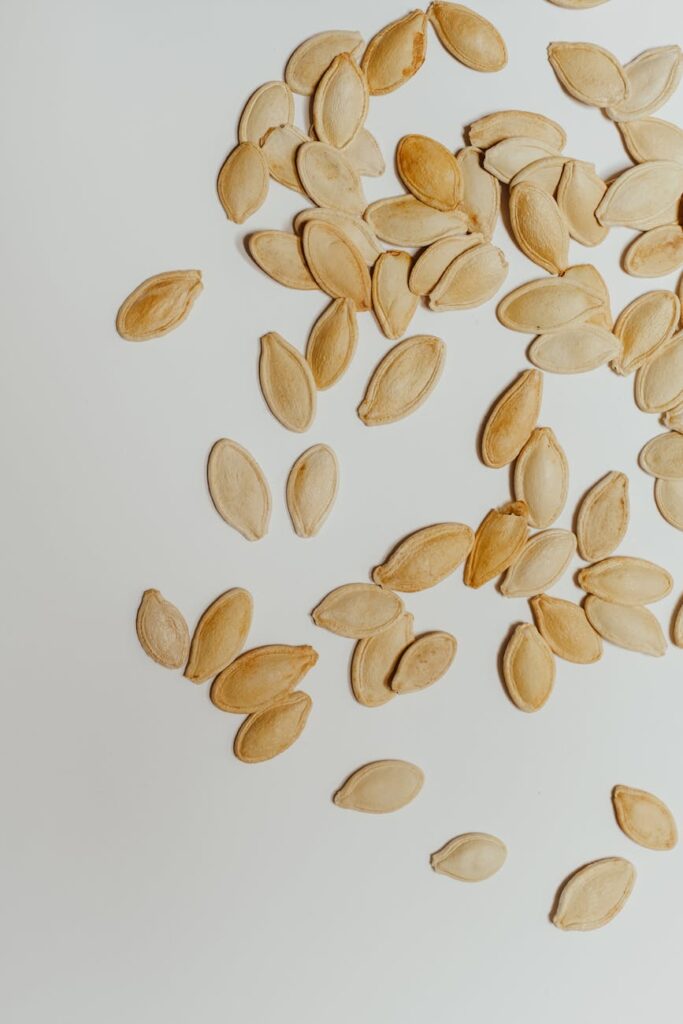
Pumpkin seed oil, derived from the seeds of the Cucurbita pepo pumpkin plant, is a cold-pressed oil that boasts a rich, nutty flavor and a vibrant green hue. Traditionally used in various culinary dishes, this oil is becoming increasingly popular in skincare, haircare, and aromatherapy. The seeds are harvested, cleaned, and then cold-pressed to extract the oil, ensuring that the beneficial properties remain intact.
Pumpkin seed oil is rich in fatty acids, antioxidants, vitamins, and minerals, making it a valuable addition to both dietary habits and topical applications. Its unique composition contributes to its wide range of uses, from cooking to cosmetic formulations.
Key Benefits and Properties
Pumpkin seed oil is renowned for its impressive nutritional profile, which includes:
1. Essential Fatty Acids: Rich in omega-3 and omega-6 fatty acids, pumpkin seed oil promotes heart health and supports overall wellness.
2. Antioxidants: The oil contains tocopherols (vitamin E), carotenoids, and phenolic compounds that help combat oxidative stress and protect cells from damage.
3. Vitamins and Minerals: High in magnesium, zinc, and iron, pumpkin seed oil supports various bodily functions, including immune health and metabolic processes.
4. Phytoestrogens: These compounds may help balance hormones and alleviate symptoms associated with hormonal fluctuations.
5. Anti-Inflammatory Properties: Pumpkin seed oil has been shown to possess anti-inflammatory effects, which can benefit skin conditions and overall health.
Common Uses
Pumpkin seed oil’s versatility allows it to be integrated into various aspects of daily life. Common uses include:
Culinary Uses
1. Salad Dressings: Its rich, nutty flavor makes it an excellent base for dressings.
2. Drizzling: Use it as a finishing oil over soups, roasted vegetables, or pasta dishes.
3. Smoothies: Add a tablespoon to smoothies for an extra nutrient boost.
Skincare
1. Moisturizers: The oil’s high fatty acid content makes it an effective moisturizer for dry skin.
2. Anti-Aging: Its antioxidant properties may help reduce the appearance of fine lines and wrinkles.
3. Acne Treatment: The oil’s anti-inflammatory properties can help soothe acne-prone skin.
Haircare
1. Scalp Treatment: Pumpkin seed oil can nourish the scalp, promoting healthy hair growth.
2. Conditioner: It can be used as a natural conditioner to enhance hair’s shine and moisture.
Aromatherapy Applications
While pumpkin seed oil is primarily recognized for its culinary and topical uses, it can also be utilized in aromatherapy. Its earthy, nutty scent can create a warm, comforting atmosphere when blended with essential oils. Here are some ways to incorporate pumpkin seed oil into aromatherapy:
Diffusion
Blend pumpkin seed oil with essential oils like lavender, bergamot, or cedarwood to create a soothing environment. The combination of scents can enhance relaxation and promote a sense of well-being.
Massage Oil
When mixed with a carrier oil such as sweet almond or jojoba, pumpkin seed oil can be used as a massage oil. Its nourishing properties make it suitable for skin application, while its calming aroma can enhance the massage experience.
Bath Soak
Adding pumpkin seed oil to a warm bath can provide a nourishing skin treatment while promoting relaxation. Combine it with essential oils for a more aromatic experience.
Safety Considerations
While pumpkin seed oil is generally recognized as safe for both culinary and topical use, a few safety considerations should be observed:
1. Allergies: Individuals with allergies to pumpkin or other members of the Cucurbitaceae family should avoid using pumpkin seed oil.
2. Skin Sensitivity: Although it is suitable for most skin types, a patch test is recommended before extensive topical application, especially for those with sensitive skin.
3. Dietary Considerations: If using pumpkin seed oil as a dietary supplement, consult with a healthcare professional, particularly if you have existing health conditions or are pregnant or nursing.
4. Interactions: Pumpkin seed oil may interact with certain medications; therefore, it is advisable to consult a healthcare provider before using it as a supplement.
Storage and Shelf Life
To maintain the quality of pumpkin seed oil, proper storage is crucial:
1. Dark Glass Bottles: Store pumpkin seed oil in dark glass bottles to protect it from light, which can degrade its quality.
2. Cool Environment: Keep the oil in a cool, dark place, away from direct sunlight and heat sources.
3. Refrigeration: For extended shelf life, refrigerate the oil. This can help prevent rancidity and maintain its beneficial properties.
4. Shelf Life: When stored properly, pumpkin seed oil typically has a shelf life of 6 to 12 months. Always check for any off smells or discoloration before use.
Frequently Asked Questions
1. Can pumpkin seed oil be used for cooking?
Yes, pumpkin seed oil is safe for culinary use. Its nutty flavor makes it an excellent choice for salad dressings, drizzling over dishes, and enhancing smoothies.
2. Is pumpkin seed oil good for hair?
Yes, pumpkin seed oil can be beneficial for hair. It can nourish the scalp, promote healthy hair growth, and add moisture and shine to hair.
3. How can I use pumpkin seed oil in my skincare routine?
Pumpkin seed oil can be applied directly to the skin as a moisturizer or mixed with other skincare products. It is particularly effective for dry skin and may help reduce signs of aging.
4. Does pumpkin seed oil have any side effects?
While generally safe, some individuals may experience allergic reactions. It’s advisable to conduct a patch test before extensive use, especially for topical applications.
5. How should I store pumpkin seed oil?
Store pumpkin seed oil in a dark glass bottle in a cool, dark place. Refrigeration can help prolong its shelf life.
Conclusion
Pumpkin seed oil is a remarkable botanical ingredient that offers a plethora of benefits, from culinary delights to skincare and aromatherapy applications. Its rich nutritional profile and versatile nature make it a valuable addition to any natural wellness routine. By understanding how to use pumpkin seed oil effectively and safely, individuals can unlock the potential of this exceptional oil and enhance their overall well-being.