
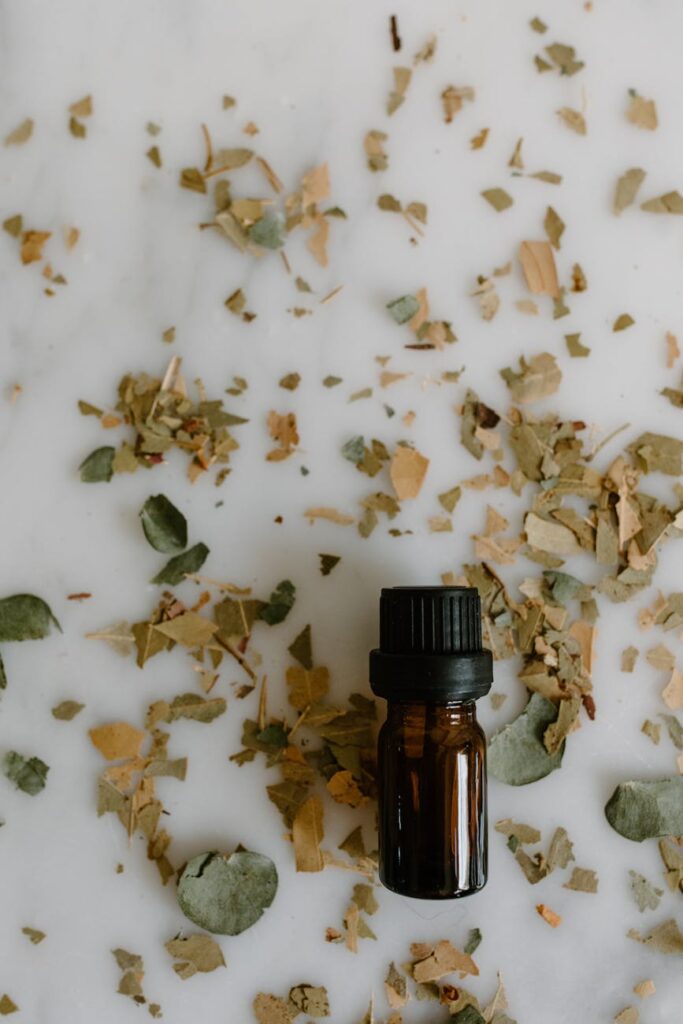
How to Use Botanical Ingredients – Rosehip Oil
Introduction
In recent years, the interest in natural remedies and holistic health practices has surged, leading to a revival of traditional botanical ingredients. Among these, rosehip oil stands out for its versatile applications and impressive benefits. Derived from the seeds of the Rosa canina plant, rosehip oil is rich in essential fatty acids, vitamins, and antioxidants, making it a staple in skincare and aromatherapy. This article explores the properties, benefits, common uses, and safety considerations of rosehip oil, as well as its applications in aromatherapy.
What Is Botanical Ingredients – Rosehip Oil?
Rosehip oil is an oil extracted from the seeds of the rosehip fruit, which is the seed pod of the wild rose plant. The oil is typically cold-pressed to preserve its beneficial properties. It is known for its light texture and quick absorption into the skin, making it suitable for various skin types. The oil has a distinct reddish-orange hue, reflecting its rich composition of carotenoids, including provitamin A.
Historically, rosehip oil has been used by indigenous cultures for centuries, particularly in South America and Europe, for its nourishing properties. Its growing popularity in the beauty and wellness industries can be attributed to its ability to improve skin health and its overall versatility.
Key Benefits and Properties
Rosehip oil boasts a range of beneficial properties that contribute to its effectiveness in skincare and wellness:
1. Rich in Essential Fatty Acids
Rosehip oil contains a high concentration of essential fatty acids, including linoleic acid (Omega-6) and alpha-linolenic acid (Omega-3). These fatty acids help maintain the skin’s barrier function, promoting hydration and elasticity.
2. Antioxidant Properties
The oil is rich in antioxidants, such as vitamin C and vitamin E, which help combat oxidative stress and protect the skin from environmental damage. Antioxidants are crucial for maintaining skin health and preventing premature aging.
3. Skin Regeneration
Rosehip oil is known for its ability to support skin regeneration and repair, making it effective for reducing the appearance of scars, stretch marks, and fine lines. Its high content of trans-retinoic acid may enhance skin cell turnover.
4. Anti-Inflammatory Effects
The oil possesses anti-inflammatory properties that can soothe irritated skin and reduce redness, making it beneficial for conditions like eczema and rosacea.
5. Hydration and Moisture Retention
Rosehip oil is a natural emollient, helping to lock in moisture and keep the skin hydrated. Its lightweight texture makes it suitable for all skin types, including oily and acne-prone skin.
Common Uses
Rosehip oil can be used in various ways, both topically and in formulations:
1. Skincare
- Facial Oil: Used as a standalone facial oil or mixed with other carrier oils, it can be applied directly to the skin for hydration and nourishment.
- Serums: Incorporated into serums for targeted treatments, rosehip oil can enhance the efficacy of other active ingredients.
- Moisturizers: Added to creams or lotions to boost hydration and improve skin texture.
2. Hair Care
Rosehip oil can be used to nourish and moisturize hair, promoting shine and reducing frizz. It is often found in hair oils and treatments.
3. Massage Oil
Due to its light texture, rosehip oil is suitable for use as a massage oil, providing hydration while allowing for smooth application.
4. Aromatherapy Blends
Rosehip oil can be blended with other essential oils for aromatherapy applications to enhance relaxation and overall well-being.
Aromatherapy Applications
In aromatherapy, rosehip oil is valued not only for its physical benefits but also for its emotional and psychological effects. While rosehip oil itself does not possess a strong aromatic profile, it serves as an excellent carrier oil for essential oils due to its nourishing properties.
1. Blending with Essential Oils
Rosehip oil can be mixed with essential oils like lavender, chamomile, or geranium to create soothing blends that promote relaxation and emotional balance.
2. Skin Healing Aromatherapy
Incorporating rosehip oil into blends aimed at skin healing can enhance the effectiveness of essential oils that target specific skin issues, such as tea tree oil for acne or frankincense for mature skin.
3. Diffuser Blends
While rosehip oil is not typically used in diffusers, it can be included in roll-on blends or topical applications designed for personal use, providing both aromatic and therapeutic benefits.
Safety Considerations
Although rosehip oil is generally considered safe for topical use, certain precautions should be observed:
1. Patch Test
Before using rosehip oil for the first time, it is advisable to perform a patch test. Apply a small amount to a discreet area of skin and wait 24 hours to check for any adverse reactions.
2. Allergies
Individuals with known allergies to roses or other plants in the Rosaceae family should exercise caution when using rosehip oil.
3. Pregnancy and Nursing
While rosehip oil is often deemed safe during pregnancy and nursing, it is recommended to consult with a healthcare professional before use.
4. Dilution
When using rosehip oil for the first time, consider diluting it with a carrier oil to minimize the risk of irritation.
Storage and Shelf Life
Proper storage is essential to maintain the quality of rosehip oil:
1. Container
Store rosehip oil in a dark glass bottle to protect it from light exposure, which can degrade its quality.
2. Temperature
Keep the oil in a cool, dry place, away from direct sunlight and heat sources. High temperatures can cause the oil to oxidize more quickly.
3. Shelf Life
Rosehip oil typically has a shelf life of about 6 to 12 months. However, the oil may become rancid if not stored properly. Signs of spoilage include an off smell or change in color.
Frequently Asked Questions
1. Can rosehip oil be used on all skin types?
Yes, rosehip oil is suitable for all skin types, including oily and sensitive skin. Its lightweight texture allows for quick absorption without clogging pores.
2. How often should I use rosehip oil?
You can use rosehip oil daily, either alone or as part of your skincare routine. It can be applied in the morning and evening for optimal benefits.
3. Can I mix rosehip oil with other oils?
Yes, rosehip oil blends well with various carrier oils and essential oils. It is often used in combination with oils like jojoba, argan, or almond oil.
4. Is rosehip oil non-comedogenic?
Rosehip oil is generally considered non-comedogenic, meaning it is unlikely to clog pores. However, individual reactions may vary, so it is best to patch test first.
5. Can I use rosehip oil for acne?
Rosehip oil may help improve the appearance of acne scars and promote skin regeneration. However, it is essential to consult with a skincare professional for personalized advice.
Conclusion
Rosehip oil is a remarkable botanical ingredient with a rich history and a plethora of benefits. From its nourishing properties to its applications in skincare and aromatherapy, it is a versatile oil that can enhance overall well-being. By understanding how to use rosehip oil effectively and safely, individuals can harness its potential in their daily routines. Always remember to prioritize safety and consult with professionals when integrating new ingredients into your wellness practices.