
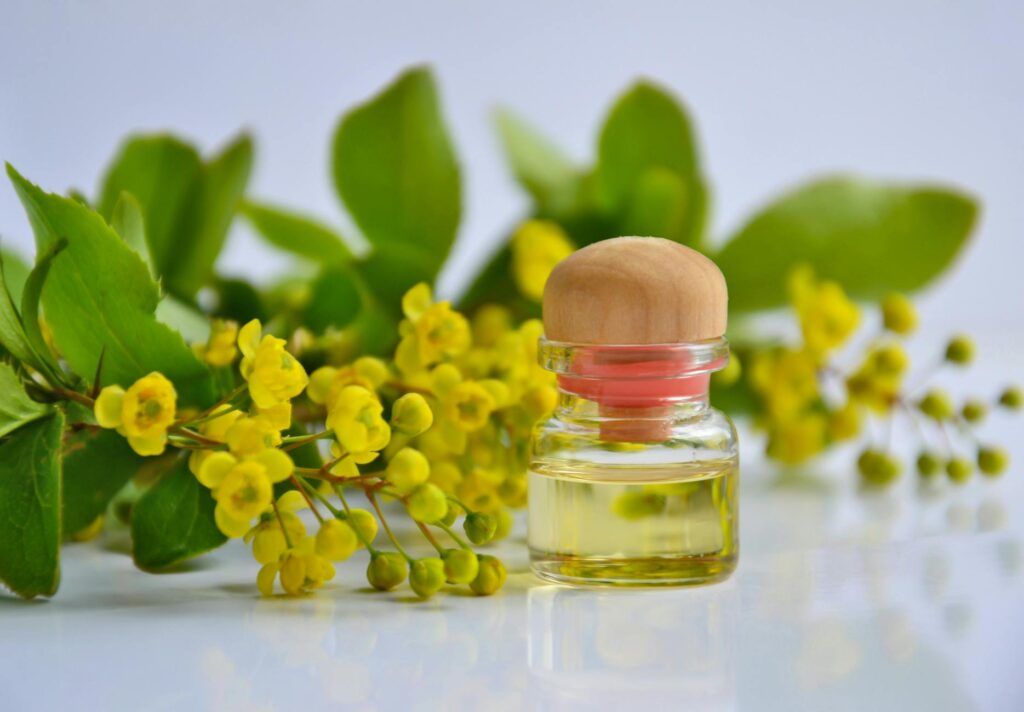
How to Use Brahmi Extract
Introduction
Brahmi extract, derived from the Bacopa monnieri plant, has been utilized in traditional medicine for centuries, particularly in Ayurvedic practices. Known for its cognitive-enhancing properties and calming effects, Brahmi is celebrated in various cultures for its potential benefits on mental clarity and emotional well-being. This article aims to provide detailed information on Brahmi extract, including its properties, common uses, and practical applications in aromatherapy.
What Is Brahmi Extract?
Brahmi, scientifically known as Bacopa monnieri, is a perennial herb found in wet, tropical environments. Its leaves are small, succulent, and often green to purple in color. In traditional Ayurvedic medicine, Brahmi has been revered for its ability to support cognitive functions, enhance memory, and reduce anxiety. The extract is typically made from the leaves, which contain bioactive compounds such as bacosides, which contribute to its purported therapeutic effects.
Brahmi extract is available in various forms, including oils, capsules, powders, and tinctures. Each form has its own set of applications, making it a versatile addition to both traditional and modern wellness practices.
Key Benefits and Properties
Cognitive Enhancement
Brahmi is best known for its potential cognitive benefits. Research suggests that it may enhance memory, improve learning capabilities, and support overall brain health. The bacosides found in Brahmi are thought to aid in synaptic transmission and promote neurogenesis, which is the growth of new neurons.
Stress Reduction
Brahmi has adaptogenic properties, meaning it may help the body adapt to stress. Its calming effects can reduce anxiety and promote a sense of tranquility, making it a popular choice for those looking to manage stress levels.
Antioxidant Properties
Brahmi is rich in antioxidants, which help combat oxidative stress in the body. Antioxidants are crucial for maintaining cellular health and preventing damage caused by free radicals.
Anti-inflammatory Effects
Research indicates that Brahmi may possess anti-inflammatory properties, which can help support overall health and alleviate inflammation-related conditions.
Common Uses
Brahmi extract is versatile and can be used in various forms:
Capsules and Powders
These forms are commonly taken as dietary supplements. They can be consumed directly or mixed into smoothies, juices, or herbal teas.
Tinctures
Brahmi tinctures are concentrated liquid extracts that can be easily added to water or herbal infusions.
Oils
Brahmi essential oil can be used in aromatherapy or diluted with carrier oils for topical application.
Culinary Uses
In some cultures, Brahmi leaves are used in cooking, adding a unique flavor to dishes while providing potential health benefits.
Aromatherapy Applications
Aromatherapy is a holistic practice that utilizes essential oils to promote physical and emotional well-being. Brahmi essential oil, known for its calming and grounding properties, can be effectively incorporated into aromatherapy practices.
Diffusion
To create a relaxing environment, Brahmi essential oil can be added to a diffuser. This method disperses the oil into the air, allowing for inhalation and enhancing the atmosphere of a room.
Massage
When diluted with a carrier oil, Brahmi essential oil can be used for massage. This application not only promotes relaxation but also enhances the benefits of touch therapy.
Bath Additive
Adding a few drops of Brahmi essential oil to bathwater can create a soothing experience. The warm water combined with the aromatic properties of the oil can help alleviate stress and promote relaxation.
Inhalation
For quick stress relief, a few drops of Brahmi essential oil can be placed on a tissue or cotton ball and inhaled. This method can provide immediate calming effects.
Safety Considerations
While Brahmi is generally considered safe for use, it is important to exercise caution:
Allergies
Individuals should conduct a patch test before applying Brahmi oil topically to ensure no allergic reactions occur.
Pregnant and Nursing Women
Consultation with a healthcare provider is advised for pregnant or nursing women before using Brahmi extract in any form.
Interactions with Medications
Brahmi may interact with certain medications, particularly those affecting the central nervous system. It is essential to consult with a healthcare professional if you are taking other medications.
Dosage
Adhere to recommended dosages for supplements and extracts to avoid potential side effects.
Storage and Shelf Life
Proper storage of Brahmi extract is essential to maintain its potency and effectiveness:
Storage
Brahmi extract should be stored in a cool, dark place away from direct sunlight. Keeping it in an airtight container can help prevent degradation.
Shelf Life
The shelf life of Brahmi extract varies depending on the form. Powders and capsules typically last for about 1-2 years, while oils may have a shorter shelf life, ranging from 6 months to 1 year. Always check the expiration date and use the extract within the recommended time frame.
Frequently Asked Questions
1. Can Brahmi extract be used daily?
Yes, many individuals incorporate Brahmi extract into their daily routines, but it is advisable to start with small doses and consult with a healthcare professional if you have any concerns.
2. Are there any side effects associated with Brahmi extract?
While Brahmi is generally well-tolerated, potential side effects may include digestive discomfort or allergic reactions. Monitor your body’s response when starting any new supplement.
3. How can I incorporate Brahmi into my diet?
Brahmi can be added to smoothies, herbal teas, or taken as capsules. Its culinary uses may also include incorporating the fresh leaves into salads and dishes.
4. Is Brahmi extract suitable for children?
Consult with a healthcare provider before giving Brahmi extract to children, as dosages and potential effects can vary based on age and individual health circumstances.
5. How does Brahmi compare to other cognitive enhancers?
Brahmi is considered a natural cognitive enhancer, unlike synthetic nootropics. It may provide a gentler onset of effects and fewer side effects, but individual experiences can vary.
Conclusion
Brahmi extract presents a multitude of potential benefits, particularly in the realms of cognitive enhancement and stress reduction. Its versatility allows for various applications, from dietary supplements to aromatherapy. However, as with any herbal extract, it is essential to use Brahmi responsibly and with consideration for safety guidelines. By understanding its properties and uses, individuals can make informed decisions about incorporating Brahmi into their wellness practices.