
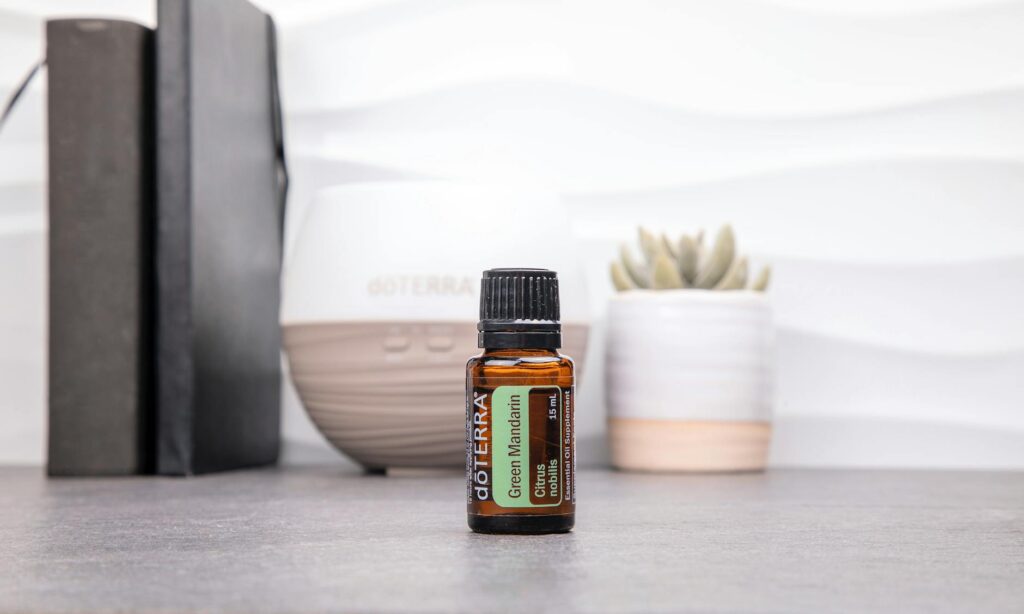
How to Use Cacti and Succulents
Introduction
Cacti and succulents have captivated plant enthusiasts and casual gardeners alike with their unique appearances, low maintenance requirements, and ability to thrive in arid conditions. These remarkable plants not only bring a touch of greenery to indoor and outdoor spaces but also offer a plethora of benefits. This article will explore the characteristics of cacti and succulents, their key benefits, common uses, and applications in aromatherapy, as well as safety considerations and storage tips.
What Is Cacti and Succulents?
Cacti and succulents belong to the plant family that has adapted to survive in environments with minimal water. While all cacti are technically succulents, not all succulents are cacti.
Characteristics of Cacti
Cacti are primarily found in the Americas and are distinguished by their unique adaptations:
- Spines Instead of Leaves: Cacti typically have spines, which are modified leaves that help reduce water loss by minimizing sunlight exposure and creating a microclimate around the plant.
- Water Storage: Cacti have specialized tissues that store water, allowing them to survive prolonged dry periods.
- Photosynthesis: Cacti utilize a specialized form of photosynthesis called CAM (Crassulacean Acid Metabolism), which allows them to take in carbon dioxide at night, further conserving water.
- Thick, Fleshy Leaves or Stems: These structures store water and nutrients.
- Variety of Forms: Succulents can vary greatly in shape, size, and color, making them versatile for different decorative purposes.
- Essential Oils from Succulents: Some succulents, like aloe vera, are used in skincare and wellness products. While not an essential oil in the traditional sense, aloe vera gel can be used for its soothing and hydrating properties.
- Cacti in Perfumes: Cacti such as the Cactus Flower can be extracted for their fragrance, often used in perfumery and scented candles. The aromatic compounds derived from these plants can evoke a sense of tranquility and connection to nature.
Characteristics of Succulents
Succulents encompass a wide range of plants, including those from different families, such as Crassulaceae (e.g., jade plants), Aloe (e.g., aloe vera), and Euphorbiaceae (e.g., euphorbias). Common characteristics include:
Key Benefits and Properties
Cacti and succulents offer a variety of benefits beyond their aesthetic appeal:
1. Air Purification: Some studies suggest that succulents can help improve indoor air quality by absorbing carbon dioxide and releasing oxygen.
2. Low Maintenance: Their ability to thrive in low-water conditions makes them ideal for busy individuals or those new to gardening.
3. Drought Resistance: Cacti and succulents can survive with minimal water, making them environmentally friendly choices for landscaping in arid regions.
4. Medicinal Properties: Certain species of cacti and succulents, such as aloe vera, are known for their soothing properties and are often used in skincare products.
5. Aesthetic Value: Their unique forms and colors can serve as striking focal points in home decor, patios, and gardens.
Common Uses
Cacti and succulents can be utilized in several ways:
1. Home Decor: Potted cacti and succulents make excellent indoor plants, adding a touch of nature to living spaces, desks, and shelves.
2. Landscaping: These plants are increasingly popular in xeriscaping, where they are used to create water-efficient landscapes.
3. Gifts: Due to their low maintenance and unique appearance, cacti and succulents are often given as gifts for various occasions.
4. Crafts and DIY Projects: They can be used in terrariums, floral arrangements, and other creative projects, allowing for personalized displays.
5. Culinary Uses: Some edible varieties of cacti, like prickly pear, are used in culinary dishes for their unique flavors and nutritional benefits.
Aromatherapy Applications
While cacti and succulents are not typically associated with aromatherapy, certain species may have applications in this field:
Creating a Calming Environment
Incorporating cacti and succulents into your living space can enhance the overall atmosphere. Their presence can promote relaxation and well-being, making them a suitable addition to meditation or yoga areas.
Safety Considerations
When using cacti and succulents, it is essential to keep the following safety considerations in mind:
1. Toxicity: Some succulents, such as certain Euphorbia species, can be toxic if ingested. Always research the specific plant species to ensure safety, especially if you have pets or young children.
2. Thorns and Spines: Cacti often possess sharp spines that can cause injury. Handle them with care, using gloves if necessary, and place them out of reach of small children.
3. Skin Irritation: Some individuals may experience skin irritation from the sap of certain succulent plants. Wear gloves when handling these plants, particularly if you are unsure of your sensitivity.
Storage and Shelf Life
Cacti and succulents are generally hardy plants with long shelf lives when properly cared for. Here are some tips for their storage:
1. Indoor Storage: Place potted cacti and succulents in a well-lit area but avoid direct sunlight, which can scorch their leaves. A south-facing window is often ideal.
2. Watering: Allow the soil to dry out completely between waterings. Overwatering can lead to root rot, a common issue with succulents.
3. Temperature: Most cacti and succulents prefer temperatures between 60°F (16°C) and 80°F (27°C). Protect them from frost and extreme cold.
4. Repotting: If your plant outgrows its container, consider repotting it into a slightly larger pot with well-draining soil.
Frequently Asked Questions
1. How often should I water my cacti and succulents?
Watering frequency depends on the specific plant and environmental conditions. Typically, cacti and succulents should be watered every two to three weeks during the growing season (spring and summer) and less frequently in the dormant season (fall and winter).
2. Can I propagate cacti and succulents at home?
Yes, many succulents can be easily propagated from leaves or cuttings. Cacti can also be propagated from cuttings or seeds. Ensure you use clean tools and allow the cut ends to callous over before planting.
3. What type of soil is best for cacti and succulents?
Cacti and succulents thrive in well-draining soil. You can purchase specialized cactus soil or create your own mix using potting soil, sand, and perlite or pumice.
4. Are there any pests I should be aware of?
Common pests include mealybugs, aphids, and spider mites. Regularly inspect your plants and use insecticidal soap or neem oil as needed to control infestations.
5. Can I keep cacti and succulents outdoors?
Yes, many cacti and succulents thrive outdoors, particularly in warmer climates. However, ensure they are protected from frost and excessive rain, which can cause root rot.
Conclusion
Cacti and succulents are not only visually appealing but also offer numerous benefits, from improving indoor air quality to serving as low-maintenance options for home decor and landscaping. Understanding their unique characteristics, uses, and care requirements can enhance your gardening experience and foster a deeper appreciation for these resilient plants. Whether you are a seasoned plant enthusiast or a novice gardener, incorporating cacti and succulents into your life can be a rewarding endeavor.