
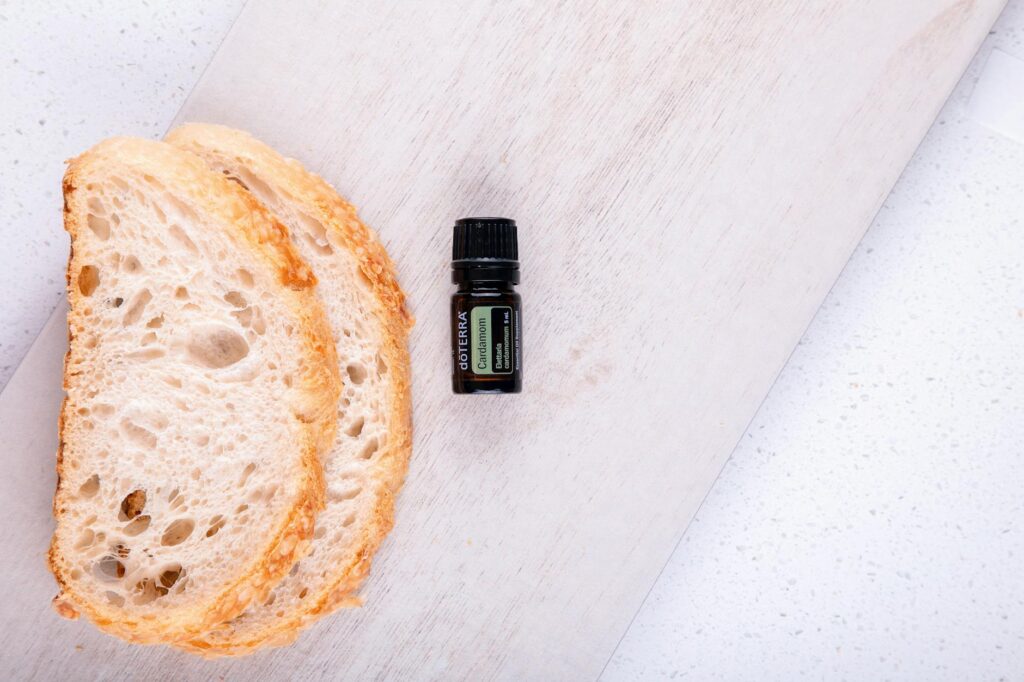
How to Use Cardamom Oil Safely
Introduction
Cardamom oil, derived from the seeds of the Elettaria cardamomum plant, is a cherished essential oil in both aromatherapy and culinary practices. Known for its warm, spicy aroma, this oil has gained popularity due to its unique flavor profile and potential benefits. However, like all essential oils, it is crucial to use cardamom oil safely to maximize its benefits while minimizing risks. This article delves into the safety measures, benefits, common uses, and practical applications of cardamom oil.
What Is Cardamom Oil Safety?
Cardamom oil safety refers to the practices and precautions necessary for the proper use of cardamom essential oil. Essential oils are highly concentrated extracts that can have potent effects on the body and mind. Understanding how to handle, dilute, and apply cardamom oil is essential for ensuring a safe experience.
Key Benefits and Properties
Cardamom oil is rich in various chemical compounds, notably 1,8-cineole, terpinene, and alpha-terpineol. These components contribute to its appealing aroma and potential benefits, which may include:
- Aromatherapy Effects: Many users report that cardamom oil helps enhance mood, promote relaxation, and alleviate stress.
- Digestive Support: While not a replacement for medical treatments, cardamom oil has been traditionally associated with digestive health.
- Antioxidant Properties: Cardamom oil is known for its antioxidant potential, which may help combat free radicals in the body.
- Aromatherapy Diffusion: Often used in diffusers to infuse a space with its warm, spicy aroma.
- Massage Oil: When diluted with a carrier oil, it can be used for massage to promote relaxation and muscle relief.
- Culinary Applications: In small quantities, cardamom oil can be added to food and beverages for flavor.
- Skincare: When properly diluted, it may be included in skincare formulations for its aromatic and potential skin benefits.
- Citrus Oils: Lemon and orange oils can complement cardamom’s spice and add a refreshing note.
- Floral Oils: Lavender or ylang-ylang can create a calming blend that promotes relaxation.
- Woodsy Oils: Cedarwood or sandalwood can enhance grounding effects, making for a balanced aroma.
- Store in Dark Glass Bottles: Essential oils are sensitive to light. Use dark glass bottles to protect the oil from UV rays.
- Keep in a Cool, Dry Place: Excess heat and humidity can degrade essential oils. Store them in a cool environment, away from direct sunlight.
- Check Expiration Dates: Most essential oils have a shelf life of 1-3 years. Check for any changes in aroma, color, or viscosity, which may indicate that the oil has degraded.
These properties make cardamom oil a versatile addition to your essential oil collection, but understanding how to use it safely is paramount.
Common Uses
Cardamom oil can be utilized in various ways, including:
Aromatherapy Applications
In aromatherapy, cardamom oil can be blended with other essential oils to enhance its effects. Popular pairings include:
To use cardamom oil in aromatherapy, consider the following methods:
1. Diffusion: Add a few drops of cardamom oil to a diffuser filled with water. This method releases the oil’s aroma into the air, creating a pleasant and uplifting environment.
2. Inhalation: Place a drop or two on a cotton ball or handkerchief and inhale the scent directly for a quick mood boost.
Safety Considerations
While cardamom oil is generally considered safe for use, several safety precautions should be observed:
Dilution
Essential oils should always be diluted before topical application. A common dilution ratio is 2-3 drops of cardamom oil per tablespoon of carrier oil, such as jojoba, coconut, or olive oil. This dilution helps prevent skin irritation.
Patch Test
Before using cardamom oil on larger areas of skin, conduct a patch test. Apply a diluted drop to a small area of skin (like the inner forearm) and wait 24 hours to check for any adverse reactions.
Avoiding Sensitive Areas
Keep cardamom oil away from sensitive areas, such as the eyes, mucous membranes, and broken skin. If contact occurs, rinse thoroughly with a carrier oil and seek medical advice if irritation persists.
Pregnant and Nursing Women
While there is limited research on the safety of cardamom oil during pregnancy and breastfeeding, it is advisable for pregnant or nursing women to consult a healthcare professional before use.
Children
Cardamom oil may not be suitable for young children. Always consult with a qualified aromatherapist or healthcare provider before using essential oils with children.
Allergies and Sensitivities
Individuals with known allergies to cardamom or related plants should avoid using cardamom oil. If unsure, consult a healthcare professional.
Storage and Shelf Life
Proper storage is essential for maintaining the quality of cardamom oil. Follow these guidelines:
Frequently Asked Questions
Is cardamom oil safe for ingestion?
Ingesting essential oils should be approached with caution. While cardamom oil is sometimes used in food, it should be done sparingly and under the guidance of a qualified professional.
Can I use cardamom oil for skin issues?
Cardamom oil may have benefits for the skin, but it should always be diluted and patch-tested first. For specific skin conditions, consult a dermatologist or aromatherapist.
How can I incorporate cardamom oil into my daily routine?
Consider using cardamom oil in a diffuser during meditation or yoga sessions, or add a drop to your bath for a relaxing experience. Always ensure proper dilution if applying it to the skin.
Where can I purchase high-quality cardamom oil?
Look for reputable suppliers that provide information on the oil’s extraction method, country of origin, and chemical composition. Organic certification can also be a good indicator of quality.
What should I do if I experience an adverse reaction to cardamom oil?
If you experience irritation or allergic reactions, discontinue use immediately. Rinse the affected area with a carrier oil and seek medical advice if necessary.
Conclusion
Cardamom oil is a versatile essential oil with a rich history and a variety of applications. By understanding how to use it safely and effectively, you can enjoy its aromatic and potential benefits while minimizing risks. Always prioritize safety through proper dilution, patch testing, and awareness of individual sensitivities. With these precautions in mind, cardamom oil can enhance your aromatherapy practices and enrich your daily life.