
How to Use Carrier Oils
Introduction
In the world of aromatherapy, essential oils are often celebrated for their potent aromatic properties and therapeutic benefits. However, the effectiveness and safety of these concentrated oils can be greatly enhanced when combined with carrier oils. This article explores the nature of carrier oils, their benefits, applications, and important safety considerations, providing you with a comprehensive understanding of how to effectively use these oils in your aromatic practices.
What Are Carrier Oils?
Carrier oils are neutral, vegetable-based oils derived from the fatty portions of plants, such as seeds, nuts, and kernels. Unlike essential oils, which are highly concentrated and volatile, carrier oils are typically thicker and have a milder scent. They serve as a vehicle for essential oils, diluting their potency to ensure safe application onto the skin and helping to facilitate their absorption.
Types of Carrier Oils
Carrier oils can be categorized based on their properties and fatty acid profiles. Some of the most common carrier oils include:
- Sweet Almond Oil: Known for its moisturizing properties, it is suitable for all skin types.
- Coconut Oil: Popular for its rich texture and antimicrobial properties; it solidifies at cooler temperatures.
- Jojoba Oil: Mimics the natural sebum of the skin, making it great for oily and combination skin types.
- Grapeseed Oil: Light and easily absorbed, it is suitable for all skin types and has a slightly astringent quality.
- Olive Oil: Rich in antioxidants, it is often used in culinary applications as well as skincare.
- Sweet Almond Oil: 6-12 months
- Coconut Oil: 1-2 years
- Jojoba Oil: Up to 5 years
- Grapeseed Oil: 6-12 months
- Olive Oil: 1-2 years
Key Benefits and Properties
Carrier oils offer a variety of benefits, making them essential in aromatherapy applications:
1. Dilution of Essential Oils: Carrier oils reduce the concentration of essential oils, making them safe for topical use and minimizing the risk of skin irritation.
2. Moisturization: Many carrier oils contain fatty acids that help to hydrate and nourish the skin, making them ideal for massage and skincare formulations.
3. Enhanced Absorption: Carrier oils can help enhance the absorption of essential oils into the skin, allowing for more effective use of their therapeutic properties.
4. Extended Shelf Life: Some carrier oils possess natural preservative qualities, extending the shelf life of essential oil blends.
5. Versatility: Carrier oils can be used in a variety of applications, including massage, skincare, and hair care, making them a valuable addition to any holistic practice.
Common Uses
Carrier oils are widely used in various applications, including:
1. Massage Therapy
In massage therapy, carrier oils are often used to dilute essential oils, allowing for safe and effective application on the skin. The choice of carrier oil can enhance the experience, with some oils providing a soothing glide while others offer additional therapeutic benefits.
2. Skin Care
Carrier oils can be used alone or as a base for essential oil blends in skincare formulations. They can help to moisturize, nourish, and protect the skin, making them a popular choice in homemade lotions, creams, and serums.
3. Hair Care
Carrier oils can also be beneficial for hair health. They can be used as a pre-shampoo treatment, a leave-in conditioner, or added to hair masks to promote hydration and shine.
4. Aromatherapy Diffusion
While carrier oils are not typically used in diffusers, they can be used in oil blends applied to the skin or in bath oils, allowing for the aromatic properties of essential oils to be enjoyed.
Aromatherapy Applications
In aromatherapy, the combination of carrier oils with essential oils can create various beneficial blends. Here are some common methodologies:
1. Topical Application
To create a topical blend, it is essential to follow proper dilution guidelines. A common dilution ratio is 2-3 drops of essential oil per tablespoon (15 ml) of carrier oil. This can be adjusted based on the specific essential oil and individual skin sensitivity.
2. Bath Oils
Carrier oils can be added to bathwater to create a soothing and aromatic experience. A few drops of essential oil mixed with a tablespoon of carrier oil can be added to bathwater to enhance relaxation and provide skin benefits.
3. Compresses
Carrier oils can be used in warm or cold compresses for targeted relief. Mixing essential oils with a carrier oil and applying it to a cloth can provide localized benefits to sore muscles or joints.
4. Homemade Products
Carrier oils serve as a base for a variety of homemade products, including lotions, scrubs, and hair treatments. By mixing essential oils with carrier oils, one can create personalized blends tailored to specific needs.
Safety Considerations
While carrier oils are generally safe for use, there are a few important considerations to keep in mind:
1. Skin Sensitivity: Always conduct a patch test before using a new carrier oil or essential oil blend on a larger area of skin. This will help identify any potential allergic reactions or sensitivities.
2. Quality Matters: Not all carrier oils are created equal. It is important to choose high-quality, cold-pressed, organic oils whenever possible to ensure the best results and avoid additives or preservatives.
3. Storage: Some carrier oils are more susceptible to rancidity than others. Proper storage is crucial to maintaining their quality and effectiveness.
4. Consultation: If you are pregnant, nursing, or have specific health conditions, consult a qualified professional before using essential oils or carrier oils.
Storage and Shelf Life
Proper storage of carrier oils is essential for maintaining their quality and extending their shelf life. Here are some tips:
1. Dark Glass Containers
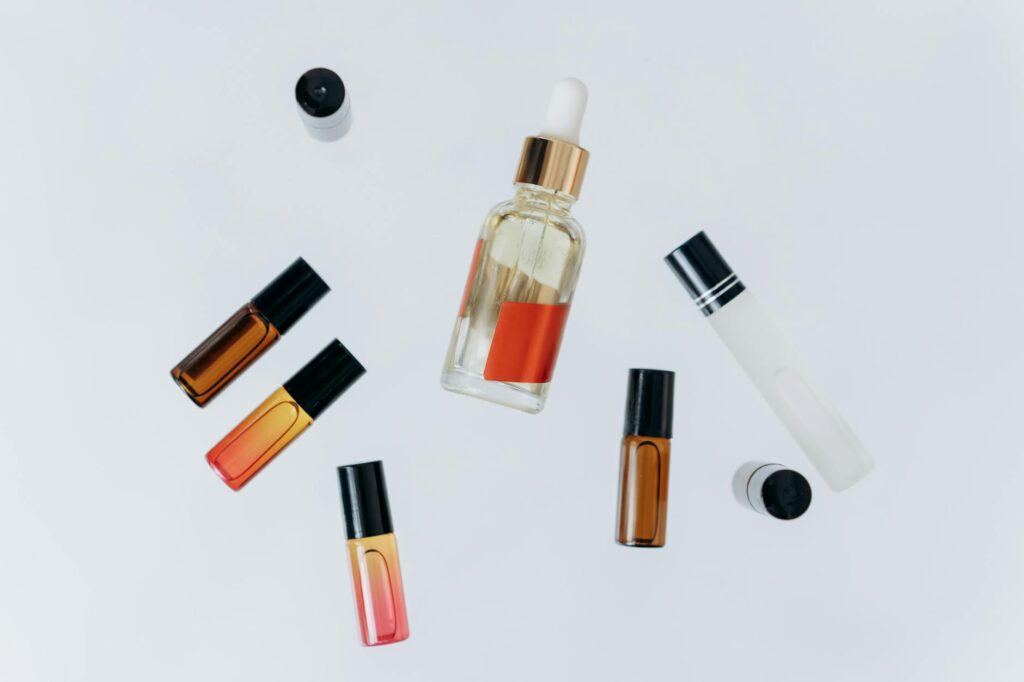
Store carrier oils in dark glass containers to protect them from light exposure, which can lead to deterioration.
2. Cool, Dark Place
Keep carrier oils in a cool, dark place, such as a pantry or cupboard, away from heat sources and direct sunlight.
3. Shelf Life
The shelf life of carrier oils can vary depending on the type. Most carrier oils last between 6 months to 2 years. Here’s a quick reference for some common oils:
It is advisable to check for any changes in odor or appearance, as these can indicate rancidity.
Frequently Asked Questions
1. Can I use any oil as a carrier oil?
Not all oils are suitable as carrier oils. It is best to use vegetable-based oils specifically classified as carrier oils. Oils like mineral oil or essential oils should not be used as carriers.
2. How do I choose the right carrier oil?
Choosing the right carrier oil depends on your skin type, the desired therapeutic effects, and personal preferences. Researching the properties of different oils can help you select one that aligns with your needs.
3. Can I mix carrier oils together?
Yes, blending different carrier oils can enhance their properties and create a custom formulation tailored to your needs.
4. Are carrier oils safe for sensitive skin?
Many carrier oils are gentle and suitable for sensitive skin. However, it is essential to conduct a patch test and consult with a professional if you have specific concerns.
5. Can I use carrier oils without essential oils?
Yes, carrier oils can be used alone as moisturizers or for massage, providing hydration and nourishment to the skin.
Conclusion
Carrier oils are a vital component of aromatherapy and holistic wellness practices. Understanding their properties, benefits, and applications can greatly enhance your experience with essential oils. By selecting high-quality carrier oils and following safety guidelines, you can create personalized blends that cater to your individual needs and preferences. Whether you are using them for skin care, massage, or other therapeutic purposes, carrier oils play a crucial role in ensuring effective and safe usage of essential oils.