
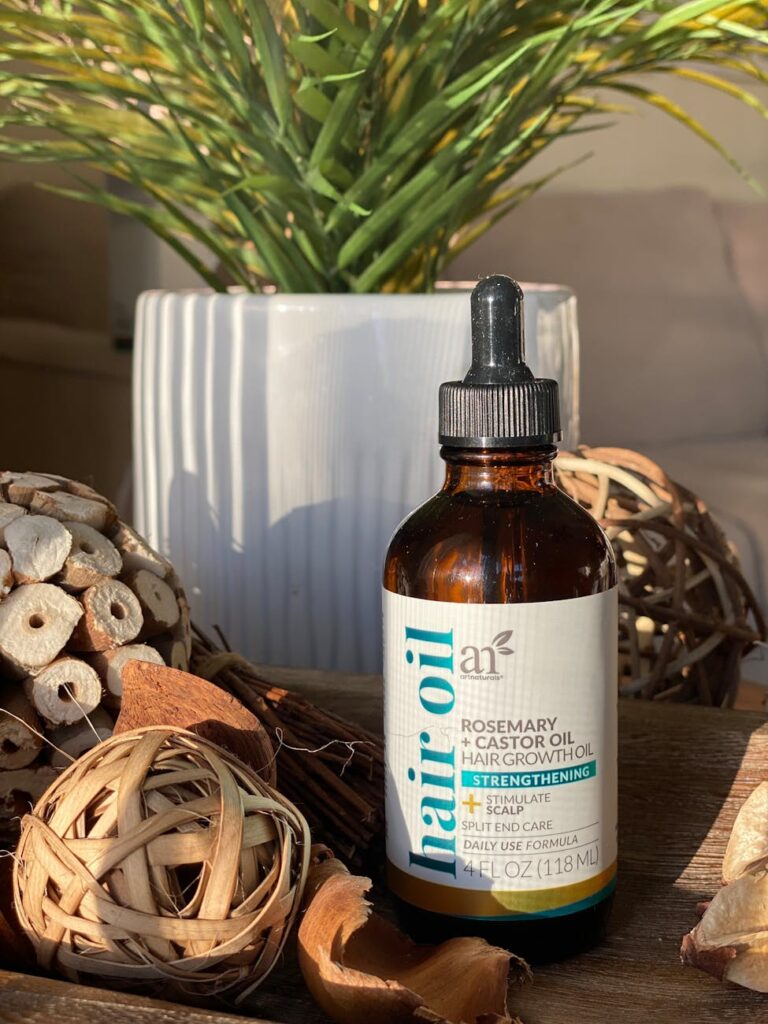
How to Use Castor Oil
Introduction
Castor oil, a pale yellow oil derived from the seeds of the Ricinus communis plant, has been utilized for centuries for its diverse properties and applications. Known for its unique composition and versatility, castor oil offers benefits that span various domains, including skincare, hair care, and even household uses. This article aims to provide comprehensive insights into castor oil, covering its properties, benefits, common uses, and safety considerations.
What Is Castor Oil?
Castor oil is extracted from the seeds of the castor bean plant, native to Africa and the Middle East, but now cultivated in many tropical and subtropical regions around the world. The extraction process typically involves cold pressing the seeds, resulting in a thick, viscous oil that is rich in fatty acids, primarily ricinoleic acid, which constitutes about 90% of its composition. This unique fatty acid is responsible for many of castor oil’s beneficial properties.
Key Benefits and Properties
Castor oil boasts a variety of beneficial properties that contribute to its popularity:
1. Anti-Inflammatory: Ricinoleic acid has demonstrated anti-inflammatory properties, making castor oil a popular choice for soothing irritated skin and reducing inflammation.
2. Moisturizing: Its emollient nature allows castor oil to penetrate deeply into the skin, providing hydration and improving moisture retention.
3. Antimicrobial: Some studies suggest that castor oil may possess antimicrobial properties, which can be useful in protecting the skin from certain pathogens.
4. Antioxidant: Castor oil contains antioxidants that help combat oxidative stress, potentially aiding in skin health and longevity.
5. Hair Growth Stimulator: Many individuals use castor oil to promote hair growth, as it is believed to improve blood circulation to the scalp and nourish hair follicles.
Common Uses
The versatility of castor oil makes it suitable for various applications:
1. Skincare
Castor oil is commonly used as a moisturizer. Its thick consistency makes it ideal for dry skin, and it can be applied directly or mixed with other oils for enhanced benefits. It is also used in formulations for acne treatment, as its anti-inflammatory properties can help reduce redness and swelling.
2. Hair Care
For those seeking healthier hair, castor oil is often used as a deep conditioning treatment. It can be applied directly to the scalp and hair, helping to nourish and strengthen strands. Many people also use it as a natural remedy for split ends and dry hair.
3. Massage Oil
Due to its thick texture and warming properties, castor oil is often used as a base oil for massage. It can help ease muscle tension and promote relaxation when blended with essential oils.
4. Makeup Remover
Castor oil can effectively remove makeup, including stubborn waterproof products. Its emollient properties help dissolve makeup without stripping the skin of moisture.
5. Household Uses
Beyond personal care, castor oil has applications in household products. It can serve as a lubricant, a protective coating for wood, and even a natural insect repellent.
Aromatherapy Applications
While castor oil is not typically used as an essential oil in aromatherapy, it can be an effective carrier oil for diluting essential oils. Its thick consistency allows it to blend well with various essential oils, making it suitable for topical applications. Here are some ways to integrate castor oil into aromatherapy practices:
1. Carrier Oil
When diluted with essential oils, castor oil can be used for massages or skin applications. Common essential oils that pair well include lavender, tea tree, and eucalyptus.
2. Scented Massage Oils
By blending castor oil with essential oils, users can create custom massage oils that enhance relaxation and well-being. A typical ratio is 2-3 drops of essential oil per tablespoon of castor oil.
3. Aromatherapy Baths
Adding a few drops of essential oil mixed with castor oil to a warm bath can enhance the aromatherapy experience, providing both physical and emotional benefits.
Safety Considerations
While castor oil is generally considered safe for topical use, there are a few important safety considerations:
1. Skin Sensitivity: Conduct a patch test before applying castor oil to larger areas of the skin to rule out any allergic reactions or sensitivities.
2. Pregnancy and Nursing: Pregnant and nursing individuals should consult healthcare professionals before using castor oil, as its effects during these periods are not fully understood.
3. Ingestion: Castor oil should not be ingested without professional supervision, as it can cause gastrointestinal discomfort or other adverse effects.
4. Avoid Contact with Eyes: Care should be taken to avoid contact with the eyes, as castor oil can cause irritation.
5. Consultation: Individuals with existing skin conditions or those planning on using castor oil for therapeutic purposes should consult a healthcare professional beforehand.
Storage and Shelf Life
To ensure the longevity and effectiveness of castor oil, proper storage is essential:
1. Container: Store castor oil in a dark glass bottle to protect it from light, which can degrade its quality over time.
2. Temperature: Keep the oil in a cool, dry place, away from direct sunlight and heat sources.
3. Shelf Life: When stored correctly, castor oil typically has a shelf life of about one to two years. However, it is advisable to check for any off smells or changes in appearance before use.
Frequently Asked Questions
1. Can castor oil be used on all skin types?
Yes, castor oil is generally safe for most skin types. However, individuals with sensitive skin should perform a patch test first to ensure there are no adverse reactions.
2. How often should I use castor oil for hair?
For hair health, using castor oil once a week as a deep conditioning treatment is common. Adjust frequency based on personal hair needs and response.
3. Can castor oil help with acne?
While it has anti-inflammatory properties that may help soothe acne-prone skin, results can vary. It’s important to monitor skin reactions and consult a dermatologist if needed.
4. Is castor oil safe for children?
Castor oil is generally considered safe for topical use on children in small amounts. However, consult with a healthcare professional before use, especially for very young children.
5. Can castor oil be mixed with other oils?
Yes, castor oil can be effectively blended with various carrier and essential oils to enhance its benefits and create custom formulations.
Conclusion
Castor oil is a multifaceted oil with a range of beneficial properties and applications. Its versatility in skincare, hair care, and household uses makes it a valuable addition to personal care regimens. While it is generally safe for most users, it is essential to consider individual sensitivities and consult professionals when necessary. By understanding how to properly use and store castor oil, users can harness its potential benefits effectively and safely.