
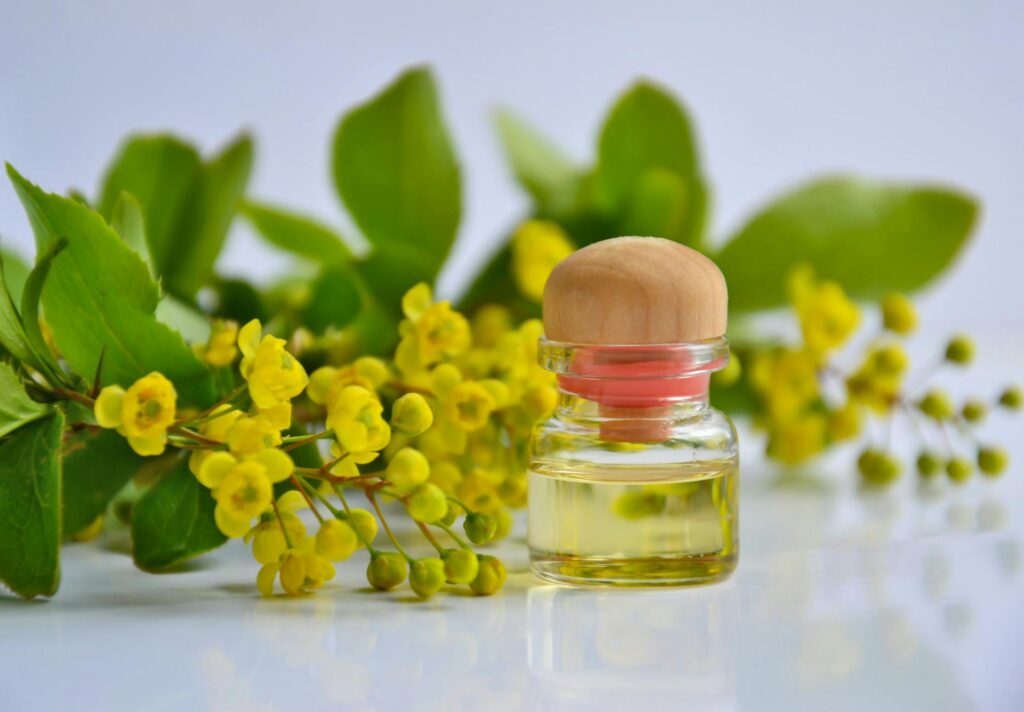
How to Use Cedarwood Oil Safely
Introduction
Cedarwood oil, derived from the wood of cedar trees, has been cherished for centuries for its aromatic and therapeutic properties. Its warm, woody scent is not only pleasing but also offers a range of benefits, from promoting relaxation to supporting skin health. However, understanding the safe use of cedarwood oil is essential for maximizing its potential while minimizing any risks. This article delves into the safety aspects, benefits, and applications of cedarwood oil to ensure a well-rounded understanding of its use in aromatherapy and beyond.
What Is Cedarwood Oil Safety?
Cedarwood oil is extracted predominantly from species such as the Atlas cedar (Cedrus atlantica) and the Himalayan cedar (Cedrus deodara). While the oil is revered for its numerous advantages, it is important to approach its use with caution. Safety in aromatherapy encompasses not only the proper application of essential oils but also an awareness of potential adverse reactions, contraindications, and appropriate dosages.
Understanding cedarwood oil safety involves being informed about its composition, the method of extraction, and the specific guidelines for use. As with any essential oil, individual responses may vary; therefore, a cautious approach is recommended.
Key Benefits and Properties
Cedarwood oil boasts a plethora of benefits, attributed mainly to its chemical constituents. The oil is rich in compounds such as cedrol, thujopsene, and alpha-cedrene, which contribute to its calming and soothing properties. Below are some of the key benefits associated with cedarwood oil:
1. Relaxation and Stress Relief: The calming aroma of cedarwood oil can promote relaxation and reduce stress levels, making it a popular choice for aromatherapy.
2. Support for Skin Health: Cedarwood oil has antiseptic properties that may aid in maintaining healthy skin and addressing various skin conditions.
3. Insect Repellent: The oil is often used in natural insect repellents due to its ability to deter pests.
4. Hair Care: Cedarwood oil is believed to promote healthy hair growth and reduce dandruff when used in hair care products.
5. Mood Enhancement: The grounding scent of cedarwood oil is said to uplift the mood and create a sense of well-being.
Common Uses
Cedarwood oil can be applied in various ways, each tailored to specific needs. Here are some common applications:
- Diffusion: Adding a few drops of cedarwood oil to a diffuser allows for the distribution of its calming aroma throughout a room.
- Topical Application: Cedarwood oil can be diluted with a carrier oil and applied to the skin to reap its skin benefits.
- Bathing: Adding cedarwood oil to bathwater can create a soothing and aromatic experience.
- Hair Products: Many shampoos and conditioners incorporate cedarwood oil for its hair health benefits.
- Insect Repellent: It can be combined with other essential oils to create a natural insect repellent spray.
- Storage Location: Keep cedarwood oil in a cool, dark place, away from direct sunlight and heat sources.
- Container Type: Store the oil in a dark glass bottle to protect it from light, which can degrade essential oils over time.
- Shelf Life: Cedarwood oil typically has a shelf life of 2 to 3 years when stored correctly. If you notice any changes in color, aroma, or consistency, it is best to discard the oil.
Aromatherapy Applications
In aromatherapy, cedarwood oil is valued for its grounding properties. Here are some effective methods for incorporating cedarwood oil into your practice:
Diffusion
Using a diffuser is one of the most popular ways to experience the benefits of cedarwood oil. Simply add a few drops to a diffuser filled with water and enjoy the calming scent. Diffusing cedarwood oil before bedtime may enhance relaxation and improve sleep quality.
Inhalation
For immediate stress relief, direct inhalation can be effective. Place a drop or two on a tissue and inhale deeply. This method can quickly lift mood and promote a sense of calm.
Massage
When diluted with a carrier oil, cedarwood oil can be used in massages. The combination of touch and aroma can promote relaxation and ease tension in the body.
Bathing
Adding cedarwood oil to a warm bath can create an inviting and soothing atmosphere. Mix a few drops with a carrier oil or an emulsifier (like milk) to ensure even distribution in the bathwater.
Safety Considerations
While cedarwood oil is generally safe for most individuals, there are important safety considerations to keep in mind:
Skin Sensitivity
Always perform a patch test before applying cedarwood oil topically. Dilute it with a carrier oil (such as coconut or jojoba oil) at a ratio of 1:4 (one part cedarwood oil to four parts carrier oil) to minimize the risk of skin irritation.
Pregnancy and Nursing
Pregnant or nursing individuals should consult a healthcare professional before using cedarwood oil. Some essential oils may not be suitable during this time.
Children and Pets
Cedarwood oil should be used with caution around children and pets. It is advisable to consult a healthcare provider or veterinarian for guidance regarding safe usage.
Allergies and Interactions
Individuals with known allergies to cedar or related species should avoid cedarwood oil. Additionally, caution should be taken if using other medications or essential oils, as interactions may occur.
Storage and Shelf Life
Proper storage of cedarwood oil is essential to maintain its quality and efficacy. Follow these guidelines:
Frequently Asked Questions
Can cedarwood oil be ingested?
Ingesting essential oils is not generally recommended without the supervision of a qualified healthcare provider. Cedarwood oil is primarily intended for external use and aromatic applications.
Is cedarwood oil safe for sensitive skin?
Cedarwood oil can cause irritation in some individuals, especially those with sensitive skin. Always dilute it with a carrier oil and conduct a patch test before full application.
Can cedarwood oil help with sleep?
Many people find that the calming aroma of cedarwood oil promotes relaxation and aids in sleep. Diffusing it in the bedroom before bedtime may enhance its benefits.
What are the best carrier oils for cedarwood oil?
Common carrier oils that blend well with cedarwood oil include coconut oil, jojoba oil, sweet almond oil, and grapeseed oil. Choose a carrier oil based on your personal preference and skin type.
How can I use cedarwood oil for hair care?
To use cedarwood oil for hair care, mix a few drops with your regular shampoo or conditioner, or create a scalp treatment by diluting it with a carrier oil and massaging it into the scalp.
Conclusion
Cedarwood oil is a versatile and beneficial essential oil that offers a range of applications in aromatherapy and personal care. By understanding the safety considerations and proper methods of use, individuals can enjoy the many advantages of this aromatic oil while minimizing risks. Always prioritize safety, and consult professionals when in doubt, ensuring a positive and enriching experience with cedarwood oil.