
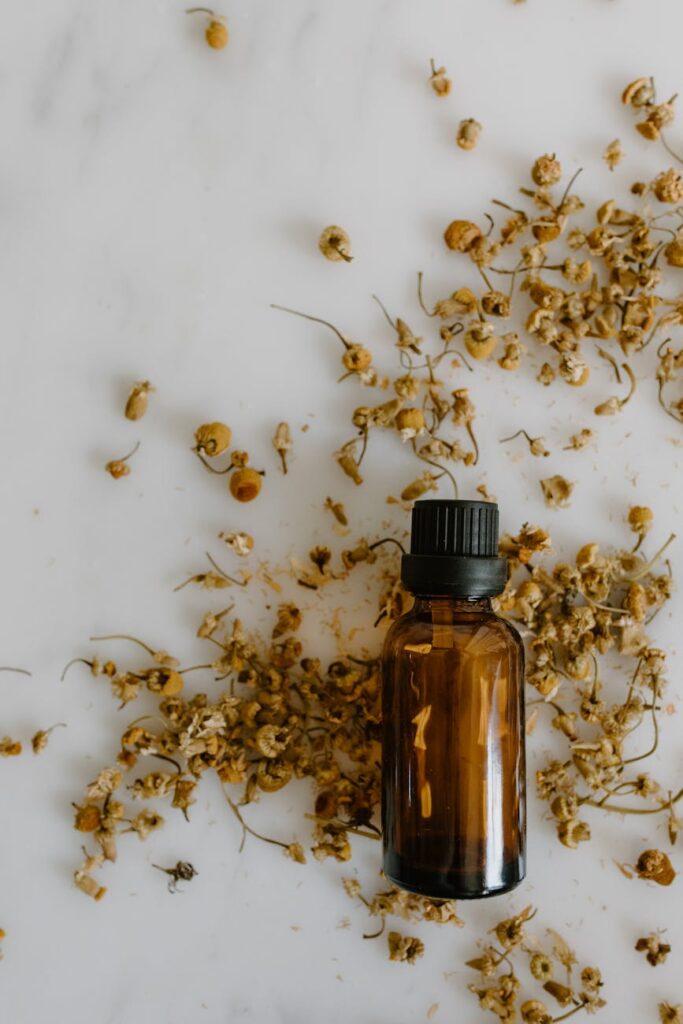
How to Use Chamomile Oil
Introduction
Chamomile oil has been cherished for centuries for its soothing properties and delightful aroma. Derived from the flowers of the chamomile plant, this essential oil is a staple in aromatherapy and natural wellness practices. Its versatility makes it an excellent addition to any essential oil collection. In this article, we will explore what chamomile oil is, its key benefits and properties, common uses, applications in aromatherapy, safety considerations, storage tips, and frequently asked questions.
What Is Chamomile Oil?
Chamomile oil is an essential oil extracted from the flowers of the chamomile plant, primarily from two species: Roman chamomile (Chamaemelum nobile) and German chamomile (Matricaria chamomilla). The extraction process typically involves steam distillation, which captures the aromatic compounds while preserving the oil’s therapeutic properties.
The oil is characterized by its sweet, floral scent with fruity undertones. Its calming fragrance and potential benefits make chamomile oil a popular choice in various holistic practices.
Key Benefits and Properties
Chamomile oil is renowned for its numerous therapeutic properties. Some of the key benefits include:
1. Calming and Relaxation: Chamomile oil is widely recognized for its calming effects, making it an excellent choice for reducing anxiety and promoting relaxation.
2. Anti-inflammatory: The oil contains compounds that may help reduce inflammation, making it useful for soothing skin irritations and other inflammatory conditions.
3. Antimicrobial: Chamomile oil possesses antimicrobial properties, which can help inhibit the growth of certain bacteria and fungi.
4. Digestive Support: Traditionally, chamomile has been used to support digestive health and may help alleviate minor digestive discomfort.
5. Skin Health: Chamomile oil is often used in skincare for its ability to soothe and nourish the skin, helping to reduce redness and irritation.
Common Uses
Chamomile oil has a wide range of applications, including:
- Aromatherapy: Used in diffusers to create a calming environment.
- Topical Applications: Diluted in carrier oils for massage or skincare.
- Bath Additive: Added to bath water for a relaxing experience.
- Compresses: Used in warm or cold compresses to relieve discomfort.
- Household Uses: Incorporated into cleaning products for its antimicrobial properties.
- Add 3-5 drops of chamomile oil to your diffuser filled with water.
- Turn on the diffuser and enjoy the relaxing effects.
- Mix 2-3 drops of chamomile oil with a tablespoon of carrier oil (such as sweet almond oil or jojoba oil).
- Use this blend to gently massage sore areas or for overall relaxation.
- Mix 5-10 drops of chamomile oil with a tablespoon of carrier oil or Epsom salts.
- Add the mixture to your bathwater and soak for at least 20 minutes.
Aromatherapy Applications
In aromatherapy, chamomile oil can be utilized in various ways to enhance mental and emotional well-being. Here are some common methods of application:
1. Diffusion
One of the simplest ways to enjoy chamomile oil is through diffusion. Using an essential oil diffuser, you can disperse the oil’s calming aroma throughout a room. This method is especially effective for creating a peaceful ambiance for meditation, yoga, or winding down before bedtime.
How to Diffuse:
2. Inhalation
Inhalation is another effective way to experience the benefits of chamomile oil. Simply add a few drops to a tissue or cotton ball and breathe deeply. This method can be particularly helpful during stressful moments or when experiencing mild anxiety.
3. Massage
When diluted with a carrier oil, chamomile oil can be used for massage. The combination of touch and aroma can enhance relaxation and soothe tension in the muscles.
How to Prepare a Massage Oil:
4. Bath Soak
Adding chamomile oil to a warm bath can create a serene and soothing experience. The oil can help relax the muscles and promote a sense of tranquility.
How to Create a Bath Soak:
Safety Considerations
While chamomile oil is generally considered safe for most people, there are a few important safety considerations to keep in mind:
1. Dilution: Always dilute chamomile oil with a carrier oil before applying it to the skin to avoid irritation. A common dilution ratio is 2-3 drops of essential oil per tablespoon of carrier oil.
2. Allergic Reactions: Individuals with allergies to plants in the Asteraceae family (such as ragweed, marigolds, and daisies) may be more prone to allergic reactions to chamomile oil. It is advisable to perform a patch test before using the oil topically.
3. Pregnancy and Nursing: Pregnant or nursing individuals should consult with a healthcare professional before using essential oils, including chamomile oil.
4. Consultation: If you have existing health conditions or are taking medications, it is wise to consult with a healthcare provider before using chamomile oil.
5. Children: Use caution when using chamomile oil around children. It is advisable to consult with a pediatrician for appropriate usage.
Storage and Shelf Life
Proper storage of chamomile oil is essential to maintain its quality and effectiveness. Here are some tips for storage:
1. Keep Away from Sunlight: Store chamomile oil in a dark glass bottle, away from direct sunlight, to prevent degradation of its properties.
2. Cool, Dry Place: Keep the oil in a cool, dry place, ideally below 70°F (21°C).
3. Tightly Sealed: Ensure the bottle is tightly sealed to prevent oxidation.
Chamomile oil typically has a shelf life of 1 to 3 years, depending on storage conditions. Always check for any changes in scent, color, or viscosity before use.
Frequently Asked Questions
1. Can chamomile oil be ingested?
Chamomile oil is primarily intended for external use or diffusion. Ingesting essential oils can be harmful and should only be done under the guidance of a qualified healthcare professional.
2. Is chamomile oil safe for pets?
Chamomile oil may not be safe for all pets. It is advisable to consult with a veterinarian before using any essential oils around animals.
3. How does chamomile oil compare to chamomile tea?
While both chamomile oil and chamomile tea come from the chamomile plant and share some properties, their applications differ. Chamomile oil is more concentrated and used for aromatic and topical applications, while chamomile tea is consumed for its calming effects.
4. Can chamomile oil help with sleep issues?
Many people use chamomile oil in their nighttime routines to promote relaxation and a sense of calm, potentially aiding in sleep. However, individual responses may vary, and it is not a substitute for professional sleep therapies.
5. Where can I buy chamomile oil?
Chamomile oil is widely available at health food stores, online retailers, and specialty shops. When purchasing, look for products that are labeled as 100% pure essential oil, free from additives.
Conclusion
Chamomile oil is a versatile and valuable essential oil with a rich history of use for its calming properties. From aromatherapy to skincare applications, its benefits can enhance both mental and emotional well-being. As with any essential oil, it is essential to use chamomile oil safely and responsibly to fully enjoy its therapeutic qualities. Whether you are a seasoned essential oil user or just beginning your journey, chamomile oil is a delightful addition to your natural wellness toolkit.