
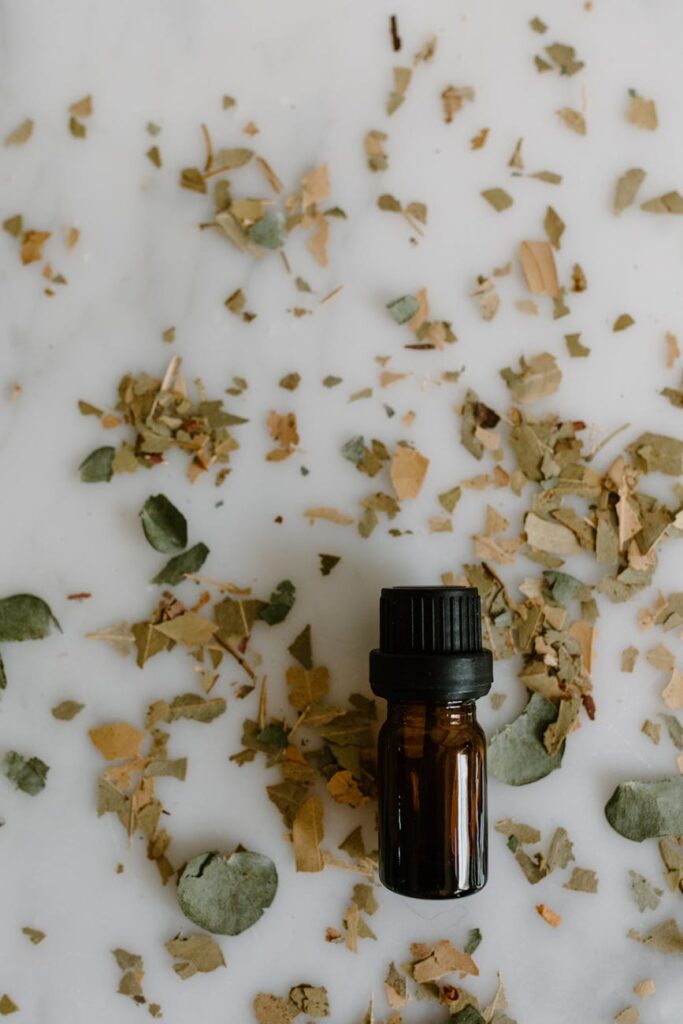
How to Use Cilantro Extract
Introduction
Cilantro, also known as coriander in some regions, is a fragrant herb widely celebrated for its culinary applications and distinctive flavor. Beyond its role in the kitchen, cilantro extract has garnered attention in the realm of aromatherapy and natural wellness. This article explores what cilantro extract is, its benefits, common uses, and safety considerations, providing a comprehensive guide for those interested in incorporating this herbal extract into their routine.
What Is Cilantro Extract?
Cilantro extract is derived from the leaves and stems of the coriander plant (Coriandrum sativum). The extraction process typically involves steam distillation or cold pressing, resulting in a concentrated form of the plant’s essential oils. The extract captures the unique aromatic qualities of cilantro, making it a popular choice in both culinary and therapeutic applications.
Cilantro is a member of the Apiaceae family, which also includes parsley, celery, and carrots. Its leaves are commonly used in various cuisines, from Mexican to Indian, while the seeds (often referred to as coriander seeds) are used as a spice.
Key Benefits and Properties
Cilantro extract is known for its various beneficial properties, which have contributed to its popularity in aromatherapy and natural wellness practices. Some of these benefits include:
1. Antioxidant Properties: Cilantro contains compounds that may help combat oxidative stress in the body, making it a valuable addition to holistic approaches aimed at promoting overall health.
2. Anti-inflammatory Effects: The extract is believed to have anti-inflammatory properties, which may contribute to its soothing effects when used in topical applications.
3. Digestive Support: Traditionally, cilantro has been used to support digestive health. The extract is sometimes included in formulations aimed at alleviating digestive discomfort.
4. Mood Enhancer: The aroma of cilantro is often described as uplifting and refreshing. Its scent may help create a positive atmosphere, potentially enhancing mood and promoting relaxation.
5. Natural Insect Repellent: The scent of cilantro is known to be a natural deterrent for certain insects, making it useful in various household applications.
Common Uses
Cilantro extract can be used in a variety of ways, both in everyday life and specialized applications. Here are some common uses:
1. Culinary Applications
Cilantro extract can enhance the flavor of dishes, particularly in marinades, dressings, and sauces. It can also be added to soups, stews, and dips for a burst of fresh flavor.
2. Aromatherapy
In aromatherapy, cilantro extract is often used in diffusers, candles, and massage oils. Its uplifting scent can create a relaxing environment, promoting mental clarity and emotional balance.
3. Skincare Products
Cilantro extract is sometimes included in cosmetic formulations due to its potential anti-inflammatory properties. It can be found in creams, serums, and lotions designed to soothe the skin.
4. Household Cleaners
The antimicrobial properties of cilantro make it a popular ingredient in natural cleaning solutions. Its fresh scent can also help mask odors in the home.
Aromatherapy Applications
The use of cilantro in aromatherapy extends beyond mere scent. Here are several ways to incorporate cilantro extract into your aromatherapy practices:
1. Diffusion
Cilantro extract can be added to essential oil diffusers. Combine it with other complementary oils like lemon or peppermint for a refreshing blend that invigorates the atmosphere.
2. Massage Oils
Create a relaxing massage oil by blending cilantro extract with a carrier oil, such as sweet almond or jojoba oil. This combination can help enhance skin absorption and deliver the soothing benefits of cilantro.
3. Inhalation
For an immediate mood boost, place a few drops of cilantro extract on a cotton ball and inhale its aroma. This method can help promote mental clarity and reduce feelings of stress.
4. Bath Soak
Add a few drops of cilantro extract to a warm bath to create a soothing and aromatic experience. This can be particularly beneficial after a long day, helping to promote relaxation.
Safety Considerations
While cilantro extract is generally regarded as safe when used appropriately, there are some considerations to keep in mind:
1. Skin Sensitivity: Before applying cilantro extract topically, it is advisable to perform a patch test to check for allergic reactions. Dilution with a carrier oil is recommended to minimize any potential irritation.
2. Pregnancy and Nursing: Although cilantro is a common culinary herb, pregnant or nursing individuals should consult with a healthcare professional before using concentrated extracts.
3. Interactions with Medications: Cilantro may interact with certain medications. If you are taking any prescription drugs, consult with a healthcare provider before using cilantro extract.
4. Quality of Extract: When purchasing cilantro extract, opt for products from reputable sources to ensure purity and quality. This can help avoid any contaminants or synthetic additives.
Storage and Shelf Life
Proper storage is essential to maintain the potency and quality of cilantro extract. Here are some guidelines:
1. Cool, Dark Place: Store cilantro extract in a cool, dark location, away from direct sunlight and heat. A pantry or cupboard is often ideal.
2. Tightly Sealed Containers: Ensure that the bottle or container is tightly sealed to prevent oxidation and contamination.
3. Expiration Date: Check the expiration date on the packaging. Although essential oils may last for an extended period, their potency can diminish over time.
4. Use Within a Year: For optimal freshness and effectiveness, it is advisable to use cilantro extract within a year of opening.
Frequently Asked Questions
1. Can cilantro extract be ingested?
While cilantro is commonly used in cooking, concentrated extracts should be used with caution. It is best to consult a qualified professional before considering ingestion.
2. How do I know if I am allergic to cilantro?
Allergic reactions to cilantro can occur. Symptoms may include itching, swelling, or gastrointestinal discomfort. If you suspect an allergy, discontinue use and consult a healthcare provider.
3. Can I mix cilantro extract with other essential oils?
Yes, cilantro extract can be blended with other essential oils. Some popular combinations include lemon, peppermint, or lavender, which can create unique aromatic profiles.
4. Is cilantro extract safe for children?
Caution is advised when using essential oils around children. Always consult a healthcare professional before using cilantro extract or any essential oil on or around children.
5. What are the differences between cilantro extract and cilantro essential oil?
Cilantro extract typically refers to a concentrated form of the plant’s essence, while essential oil is often more potent and may require dilution before use. The extraction methods may also differ.
Conclusion
Cilantro extract is a versatile and aromatic addition to both culinary and wellness practices. Its unique flavor, potential health benefits, and applications in aromatherapy make it an appealing choice for many. By understanding how to use cilantro extract safely and effectively, individuals can enjoy its refreshing qualities in various aspects of their lives. Always prioritize quality and safety in your pursuits, and explore the delightful world of herbal extracts with care.