
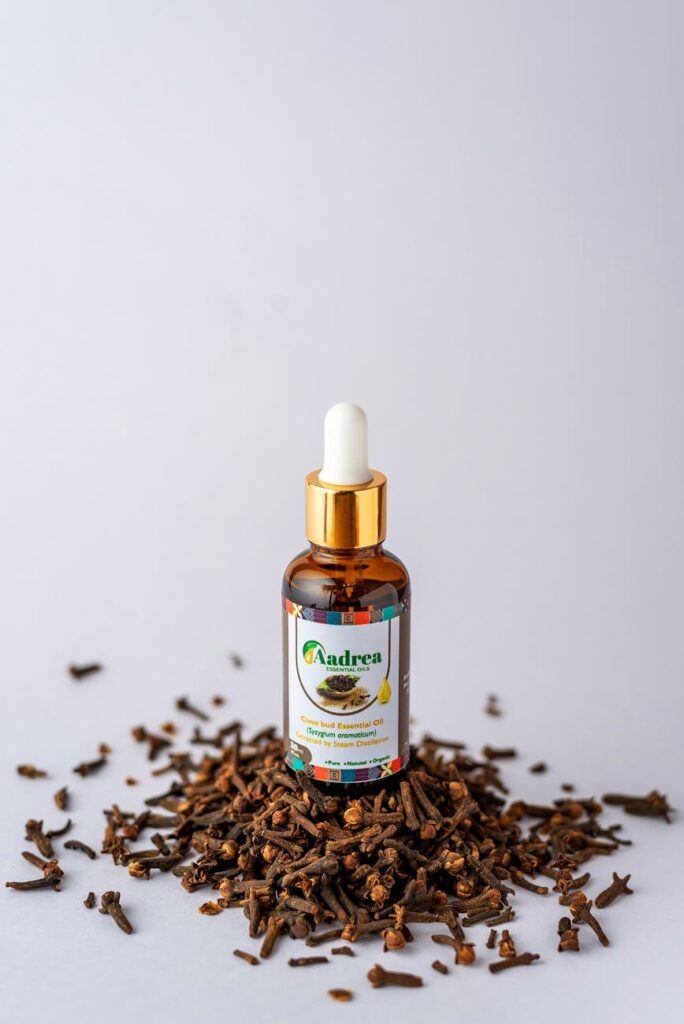
How to Use Cinnamon Extract
Introduction
Cinnamon, derived from the bark of the Cinnamomum tree, has been treasured for its distinct flavor and aroma for centuries. Beyond its culinary uses, cinnamon extract has gained popularity in aromatherapy and natural wellness circles due to its numerous properties. This article explores what cinnamon extract is, its benefits and properties, common uses, applications in aromatherapy, safety considerations, storage tips, and answers to frequently asked questions.
What Is Cinnamon Extract?
Cinnamon extract is a concentrated form of the natural oils and compounds found in cinnamon bark. It is typically obtained through steam distillation or solvent extraction, resulting in a product that captures the essential characteristics of cinnamon in a potent form. The main types of cinnamon used for extracts include Ceylon cinnamon (Cinnamomum verum) and Cassia cinnamon (Cinnamomum cassia), with Ceylon often regarded as the “true” cinnamon due to its superior flavor and lower coumarin content.
Cinnamon extract can be found in various forms, including liquid tinctures, essential oils, and powdered extracts. Each form retains the aromatic and flavor qualities of the cinnamon plant but can differ in potency and application.
Key Benefits and Properties
Cinnamon extract is celebrated for its wide range of beneficial properties, including:
1. Antioxidant Properties: Cinnamon is rich in polyphenols, which are known for their antioxidant capabilities. These compounds help neutralize free radicals in the body, contributing to overall health.
2. Antimicrobial Effects: The essential oils in cinnamon extract have been shown to possess antimicrobial properties, making it useful in natural cleaning products and food preservation.
3. Anti-Inflammatory Effects: Some studies suggest that cinnamon can help reduce inflammation, which is linked to various chronic diseases.
4. Digestive Support: Traditionally, cinnamon has been used to support digestive health, potentially aiding in the relief of discomfort and promoting gut health.
5. Mood Booster: The warm, spicy aroma of cinnamon is often associated with feelings of comfort and warmth, making it a popular choice for enhancing mood and creating a cozy atmosphere.
Common Uses
Cinnamon extract is versatile and can be utilized in a variety of ways, including:
1. Culinary Applications: Cinnamon extract can be added to baked goods, beverages, and savory dishes for a burst of flavor. It is particularly popular in desserts like cinnamon rolls, apple pie, and chai tea.
2. Natural Cleaning Products: Due to its antimicrobial properties, cinnamon extract can be included in homemade cleaning solutions to help disinfect surfaces.
3. Skin Care Products: Some skincare formulations contain cinnamon extract for its potential benefits in promoting healthy skin and providing a warming sensation.
4. Aromatherapy: As an essential oil, cinnamon extract can be used in diffusers, massage oils, and bath products to create a soothing atmosphere.
5. Dietary Supplements: Cinnamon extract is also available in capsule form, often marketed for its potential health benefits.
Aromatherapy Applications
In the realm of aromatherapy, cinnamon extract is valued for its warm and spicy scent. Here are several ways to incorporate cinnamon extract into your aromatherapy practices:
1. Diffusion: Adding a few drops of cinnamon essential oil to a diffuser can create an inviting and cozy ambiance, perfect for gatherings or relaxation.
2. Massage Blends: When blended with carrier oils, cinnamon extract can be used in massage oils. Its warm properties may enhance circulation and provide a comforting sensation during massage.
3. Inhalation: Inhaling the aroma of cinnamon extract can be uplifting and energizing, making it beneficial for those seeking a mood boost. A few drops can be placed on a tissue or cotton ball for direct inhalation.
4. Bath Products: Adding cinnamon extract to bath products or bath salts can enrich the bathing experience with its warm aroma, promoting relaxation and comfort.
5. Candles and Potpourri: Cinnamon extract can be used to scent candles or potpourri, infusing spaces with its rich fragrance.
Safety Considerations
While cinnamon extract has many benefits, it is essential to use it safely. Here are some safety considerations:
1. Skin Sensitivity: Cinnamon essential oil can be irritating to the skin, particularly for those with sensitive skin. It is advisable to perform a patch test before using it topically. Always dilute cinnamon essential oil with a carrier oil before applying it to the skin.
2. Pregnancy and Nursing: Pregnant or nursing individuals should consult a healthcare professional before using cinnamon extract, particularly in concentrated forms.
3. Allergic Reactions: Some individuals may be allergic to cinnamon. If any signs of an allergic reaction occur, discontinue use immediately and seek medical attention.
4. Internal Use: While cinnamon extract is commonly used in food and beverages, high concentrations should be avoided for internal use unless under the guidance of a healthcare professional.
5. Storage: Proper storage is essential to maintain the quality and potency of cinnamon extract. Keep it away from direct sunlight and in a cool, dry place.
Storage and Shelf Life
To ensure the longevity of cinnamon extract, consider the following storage tips:
1. Containers: Store cinnamon extract in dark glass bottles to protect it from light exposure, which can degrade its quality over time.
2. Temperature: Keep cinnamon extract in a cool environment, away from heat sources. High temperatures can accelerate the degradation of essential oils.
3. Shelf Life: The shelf life of cinnamon extract varies depending on its form. Essential oils typically last one to two years when stored properly, while powdered extracts may last longer but should be checked for freshness regularly.
Frequently Asked Questions
1. Can I use cinnamon extract in cooking?
Yes, cinnamon extract can be used in cooking to enhance the flavor of various dishes, especially in baked goods and beverages.
2. Is cinnamon extract safe for children?
While cinnamon is generally considered safe for children in culinary amounts, it is advisable to consult a healthcare professional before using concentrated forms, especially in essential oils.
3. How do I know if I’m allergic to cinnamon?
Symptoms of an allergy may include skin irritation, itching, or respiratory issues. If you suspect an allergy, consult a healthcare professional for proper diagnosis and guidance.
4. Can I apply cinnamon extract directly to my skin?
Cinnamon essential oil should not be applied directly to the skin without dilution. Always mix it with a carrier oil to reduce the risk of irritation.
5. What is the difference between Ceylon and Cassia cinnamon?
Ceylon cinnamon (Cinnamomum verum) is often referred to as “true cinnamon” and has a sweeter, more delicate flavor, while Cassia cinnamon (Cinnamomum cassia) is more common and has a stronger, spicier flavor. Ceylon cinnamon also contains lower levels of coumarin, a compound that can be harmful in high doses.
Conclusion
Cinnamon extract is a versatile and aromatic ingredient that offers a multitude of benefits. Whether used in culinary applications, aromatherapy, or natural cleaning products, its warm and spicy qualities make it a cherished addition to various practices. By understanding its uses, benefits, and safety considerations, individuals can enjoy the rich heritage of cinnamon extract while embracing its potential in their daily lives.