
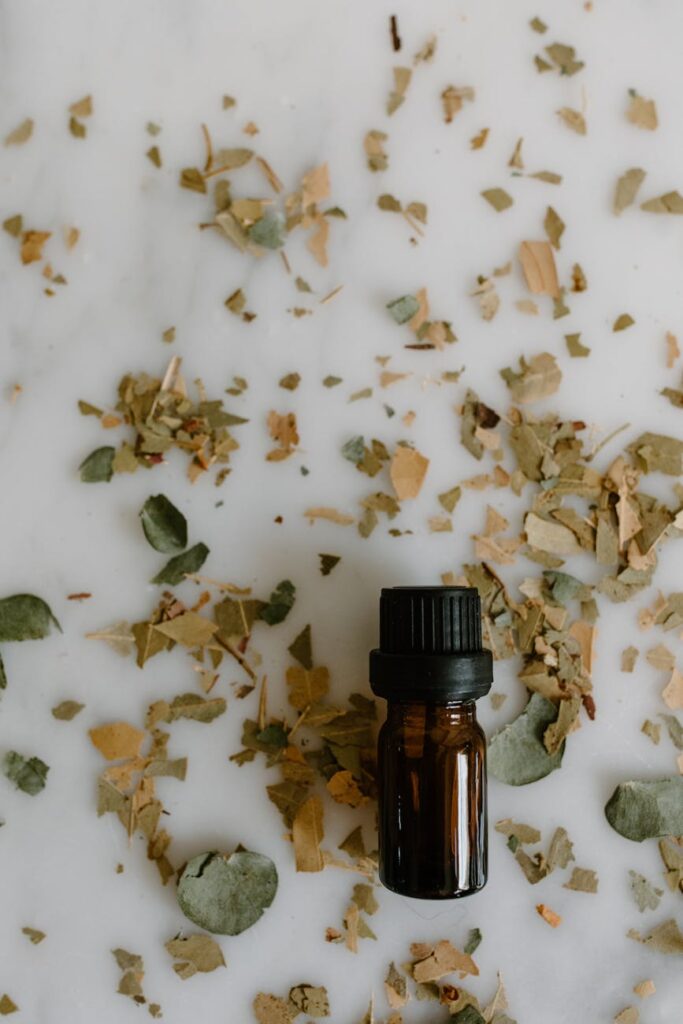
How to Use Cinnamon Oil Safely
Introduction
Cinnamon oil, derived from the bark or leaves of the cinnamon tree (Cinnamomum verum or Cinnamomum cassia), is a cherished essential oil renowned for its warm, spicy fragrance and numerous applications. While it offers many benefits, understanding how to use cinnamon oil safely is essential for both new users and seasoned enthusiasts. This article aims to provide a comprehensive overview of cinnamon oil safety, its key benefits, common uses, and best practices for storage.
What Is Cinnamon Oil Safety?
Cinnamon oil safety refers to the practices and precautions necessary to use this essential oil without adverse effects. Given its potency and concentration, cinnamon oil can cause skin irritation or allergic reactions if not used appropriately. Ensuring safe usage involves proper dilution, understanding individual sensitivity, and adhering to guidelines for different applications, whether for topical use, aromatherapy, or culinary purposes.
Key Benefits and Properties
Cinnamon oil is celebrated for its multifaceted properties, which include:
- Antimicrobial Activity: Cinnamon oil has demonstrated antimicrobial properties, making it useful in cleaning products and formulations aimed at reducing bacteria and fungi.
- Anti-inflammatory Effects: Some studies suggest that cinnamon oil may help reduce inflammation, which can be beneficial in massage and topical applications.
- Mood Enhancement: The warm aroma of cinnamon is often associated with feelings of comfort and warmth, potentially uplifting mood and promoting relaxation.
- Digestive Support: While not a substitute for medical treatment, cinnamon oil is traditionally believed to aid digestion when used appropriately.
- Aromatherapy: Diffusing cinnamon oil can create a warm and inviting atmosphere, perfect for relaxation or social gatherings.
- Topical Applications: When properly diluted, cinnamon oil can be incorporated into massage oils or skincare products to benefit from its anti-inflammatory and antimicrobial properties.
- Culinary Uses: Cinnamon oil can enhance dishes, though it should be used sparingly due to its potency. Always ensure the oil is food-grade before consumption.
- Household Cleaning: The antimicrobial properties of cinnamon oil make it an effective ingredient in homemade cleaning solutions.
- Diffusion: Add a few drops of cinnamon oil to a diffuser to fill your space with its comforting scent. This can be particularly beneficial during the colder months to evoke a cozy environment.
- Blending: Cinnamon oil blends well with other essential oils such as clove, orange, and vanilla, creating synergistic aromas that enhance the therapeutic effects of each oil.
- Inhalation: A few drops of cinnamon oil on a tissue or cotton ball can be inhaled for a quick mood boost or to promote alertness.
- Cool, Dark Place: Store cinnamon oil in a cool, dark place away from direct sunlight and heat sources. This helps preserve its properties and prolongs shelf life.
- Sealed Containers: Keep the oil in a tightly sealed container to prevent oxidation and degradation. Amber or cobalt glass bottles are ideal for this purpose.
- Expiration: Cinnamon oil typically has a shelf life of 1-3 years, depending on its extraction method and storage conditions. Always check for changes in aroma, color, or viscosity before use.
These properties make cinnamon oil a popular choice in various settings, from home care products to holistic wellness practices.
Common Uses
Cinnamon oil can be used in several ways, including:
Aromatherapy Applications
In aromatherapy, cinnamon oil is often used for its uplifting and warming qualities. Here are some common applications:
Safety Considerations
While cinnamon oil offers various benefits, it is crucial to adhere to safety guidelines to avoid adverse reactions:
1. Dilution: Cinnamon oil is highly concentrated and should always be diluted before topical application. A common dilution ratio is 1-2 drops of cinnamon oil per tablespoon of carrier oil (e.g., coconut oil, olive oil, or jojoba oil).
2. Patch Test: Conduct a patch test before extensive topical use. Apply a diluted drop to a small area of skin and observe for any adverse reactions over 24 hours.
3. Pregnancy and Nursing: Pregnant or nursing individuals should consult a healthcare professional before using cinnamon oil, as its effects during these periods are not well-studied.
4. Skin Sensitivity: Individuals with sensitive skin or allergies should exercise caution. Cinnamon oil may cause skin irritation or allergic reactions, particularly when used undiluted.
5. Avoiding Mucous Membranes: Cinnamon oil should not come into contact with sensitive areas such as the eyes, nose, or mucous membranes, as it can cause irritation.
6. Children and Pets: Special care should be taken when using essential oils around children and pets. Always consult with a healthcare provider or veterinarian before use.
7. Internal Use: While some people use cinnamon oil in cooking, it must be food-grade and consumed in moderation. Consult a professional before using it internally.
Storage and Shelf Life
Proper storage is vital for maintaining the integrity and effectiveness of cinnamon oil:
Frequently Asked Questions
1. Is cinnamon oil safe for children?
Cinnamon oil can be used around children, but it should be heavily diluted and applied with caution. Always consult a pediatrician before using any essential oils on children.
2. Can I use cinnamon oil if I have sensitive skin?
If you have sensitive skin, it is crucial to dilute cinnamon oil significantly and perform a patch test before applying it more broadly. If irritation occurs, discontinue use.
3. Can cinnamon oil be ingested?
Only food-grade cinnamon oil should be ingested, and even then, it should be used sparingly. Consult with a healthcare professional before considering internal use.
4. How can I incorporate cinnamon oil into my beauty routine?
Cinnamon oil can be added to homemade skincare products, such as lotions or scrubs, as long as it is diluted properly. It can also be used in hair care formulations for its purported stimulating properties.
5. What are the signs of cinnamon oil spoilage?
Signs of spoilage include changes in color, consistency, or aroma. If the oil smells off or has become cloudy, it is best to dispose of it.
Conclusion
Cinnamon oil offers a wealth of benefits and applications, making it a valuable addition to many households. However, ensuring its safe usage is essential to maximize its potential while minimizing risks. By adhering to the safety considerations outlined in this article, users can enjoy the warm, comforting aroma of cinnamon oil and its many properties with confidence. Always remember to consult with professionals when in doubt, as individual sensitivities may vary.