
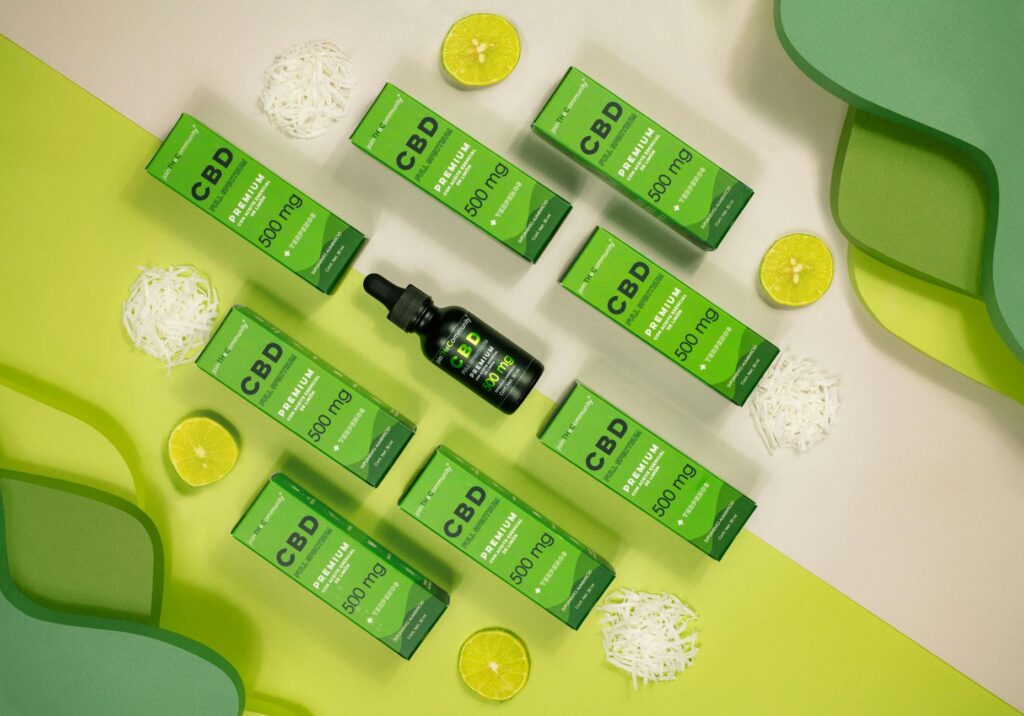
How to Use Citrus Extracts
Introduction
Citrus extracts, derived from the peels, fruits, and leaves of citrus fruits such as oranges, lemons, limes, and grapefruits, have garnered attention in various fields, including culinary arts, cosmetics, and wellness practices. Known for their refreshing scents and uplifting properties, these extracts are a staple in aromatherapy and natural products. This article delves into the nature of citrus extracts, their benefits, common uses, applications in aromatherapy, and important safety considerations.
What Is Citrus Extracts?
Citrus extracts are concentrated substances obtained from the zest or peel of citrus fruits. They contain essential oils, which are volatile compounds responsible for the characteristic aroma and flavor of these fruits. Citrus essential oils are typically extracted through methods like cold pressing or steam distillation.
The most commonly used citrus fruits for extraction include:
- Lemon (Citrus limon): Recognized for its bright scent and invigorating properties.
- Orange (Citrus sinensis): Known for its sweet and uplifting aroma.
- Lime (Citrus aurantiifolia): Valued for its zesty and refreshing scent.
- Grapefruit (Citrus paradisi): Popular for its tangy and energizing fragrance.
- Citrus and Lavender: Offers a calming yet uplifting experience, ideal for relaxation.
- Citrus and Peppermint: Provides an energizing and refreshing aroma, perfect for revitalizing the mind.
- Citrus and Eucalyptus: Combines the uplifting qualities of citrus with the clarifying properties of eucalyptus.
Each type of citrus extract possesses unique characteristics, but they all share a common thread: their ability to enhance mood and invigorate the senses.
Key Benefits and Properties
Citrus extracts are revered for a variety of beneficial properties:
1. Uplifting Aroma: The bright and zesty scent of citrus extracts is believed to enhance mood and promote feelings of happiness.
2. Antioxidant Properties: Citrus extracts contain compounds known as flavonoids, which may help combat oxidative stress.
3. Antimicrobial Effects: Some studies suggest that citrus oils have antimicrobial properties, making them useful in cleaning products and skincare.
4. Refreshing and Energizing: The invigorating scent of citrus is often associated with increased energy and alertness.
5. Digestive Support: Citrus extracts are frequently employed in culinary practices for their potential digestive benefits.
6. Natural Preservative: The acidity and antimicrobial properties of citrus make it a common ingredient in food preservation.
Common Uses
Citrus extracts are versatile and can be utilized in several ways:
1. Culinary Applications: Used as flavor enhancers in beverages, dressings, marinades, and desserts. Lemons and limes, for instance, are popular for their fresh zest in dishes.
2. Skincare Products: Due to their antioxidant and antimicrobial properties, citrus extracts are commonly found in lotions, serums, and soaps.
3. Household Cleaners: Many natural cleaning products incorporate citrus extracts for their refreshing scent and potential antibacterial qualities.
4. Aromatherapy: Essential oils derived from citrus fruits are used in diffusers, bath products, and massage oils to promote relaxation and uplift mood.
5. Perfumes and Fragrances: Citrus extracts serve as top notes in many perfumes, providing a bright and refreshing opening scent.
Aromatherapy Applications
Citrus extracts are widely used in aromatherapy, a holistic approach to wellness that utilizes the aromatic properties of essential oils.
Methods of Use
1. Diffusion: Adding a few drops of citrus essential oil to a diffuser can fill a room with its uplifting aroma. Popular choices include lemon, lime, and sweet orange oils.
2. Topical Application: Citrus oils can be diluted with a carrier oil (like jojoba or coconut oil) and applied to the skin. This method allows for localized benefits, such as mood enhancement or skin care.
3. Bathing: Adding citrus essential oils to bath water can create a refreshing and invigorating experience. Be sure to dilute the oils properly before adding them to the bath.
4. Inhalation: Simply inhaling the aroma of citrus extracts directly from the bottle or a cotton ball can provide immediate mood-lifting effects.
Blending with Other Oils
Citrus extracts blend well with other essential oils, enhancing their effects. Popular combinations include:
Safety Considerations
While citrus extracts are generally considered safe for use, it is important to observe certain precautions:
1. Skin Sensitivity: Citrus oils can cause photosensitivity, leading to skin irritation when exposed to sunlight. Avoid direct sun exposure on areas where citrus oils have been applied.
2. Dilution: Always dilute essential oils with a carrier oil before applying them to the skin to prevent irritation.
3. Allergic Reactions: Conduct a patch test before using citrus extracts on the skin, especially for those with sensitive skin or allergies.
4. Quality of Oils: Ensure that you are using high-quality, pure essential oils. Adulterated or synthetic oils may not deliver the desired benefits and could pose risks.
5. Pregnancy and Nursing: Consult with a healthcare provider before using citrus extracts during pregnancy or while nursing, as certain essential oils may not be recommended.
Storage and Shelf Life
Proper storage is essential for maintaining the potency and effectiveness of citrus extracts. Here are some storage tips:
1. Keep Away from Light: Store citrus extracts in dark glass bottles to protect them from light exposure, which can degrade their quality.
2. Cool Environment: Keep the extracts in a cool, dry place, away from heat sources and humidity.
3. Seal Tightly: Ensure that the bottles are tightly sealed to prevent oxidation.
4. Shelf Life: Citrus essential oils typically have a shelf life of about one to two years, but this can vary based on the specific oil and storage conditions. Always check for any changes in aroma or consistency before use.
Frequently Asked Questions
Can I ingest citrus extracts?
While some citrus extracts are used in culinary applications, it is important to consult with a knowledgeable professional before ingesting essential oils, as they are highly concentrated and may have different effects when consumed.
Are all citrus oils safe for children?
Not all essential oils are suitable for children. Always consult with a healthcare provider or a qualified aromatherapist regarding the safety and appropriate use of citrus oils with children.
How can I incorporate citrus extracts into my daily routine?
Citrus extracts can be added to your daily routine through various means, such as using them in cooking, adding a few drops to your bath, or diffusing them in your living space for a refreshing ambiance.
What are the best citrus oils for mood enhancement?
Lemon, sweet orange, and grapefruit essential oils are particularly noted for their uplifting and mood-enhancing properties, making them popular choices in aromatherapy.
Conclusion
Citrus extracts offer a wealth of benefits, from their invigorating aromas to their versatile applications in daily life. Whether used in cooking, skincare, or aromatherapy, these extracts can enhance well-being and uplift the spirit. By understanding their properties, uses, and safety considerations, individuals can harness the power of citrus extracts effectively and enjoyably.