
How to Use Clary Sage Oil
Introduction
Clary sage oil, derived from the flowering tops and leaves of the Salvia sclarea plant, has been cherished for centuries for its diverse applications in aromatherapy, cosmetics, and personal care. Known for its unique, herbal aroma, clary sage oil is a versatile essential oil that holds a prominent place in both traditional and modern practices. This article delves into the various aspects of clary sage oil, including its properties, benefits, common uses, and safety considerations, offering a comprehensive guide for those interested in incorporating it into their wellness routines.
What Is Clary Sage Oil?
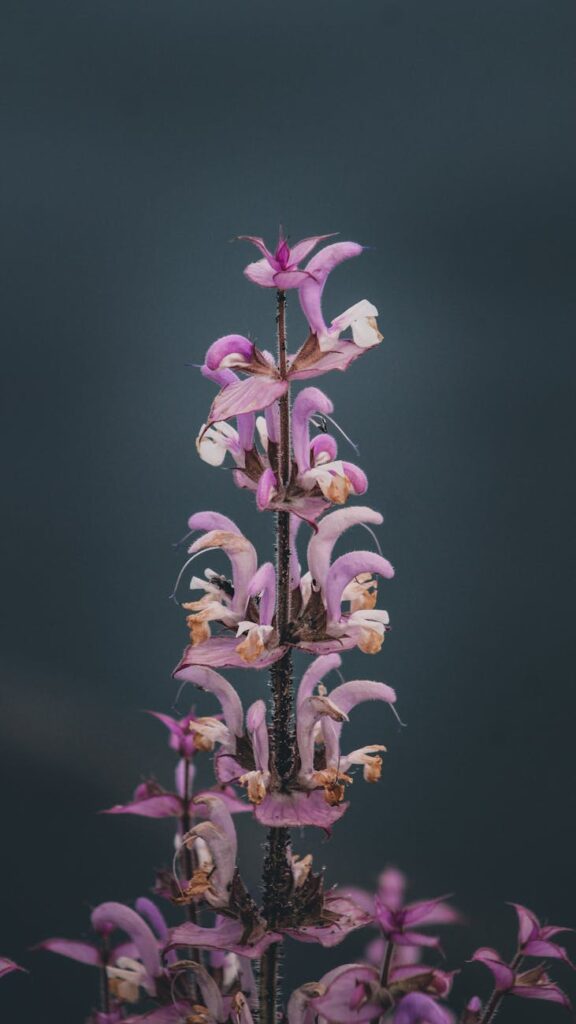
Clary sage oil is extracted through steam distillation from the flowering tops and leaves of the Salvia sclarea plant, a biennial herb native to the Mediterranean region. The plant is characterized by its large, soft leaves and delicate purple flowers. Clary sage has been used since ancient times, often referred to as “clear eye” in reference to its reputed ability to alleviate eye ailments.
The essential oil is noted for its complex chemical composition, which includes linalool, linalyl acetate, and sclareol, among other constituents. These compounds contribute to its distinct aroma and therapeutic properties, making it a valuable addition to the essential oil repertoire.
Key Benefits and Properties
Clary sage oil is celebrated for its numerous benefits, which span emotional, physical, and cosmetic applications. Some of the key properties include:
1. Relaxation and Stress Relief: Clary sage oil is often used in aromatherapy to promote relaxation and alleviate stress. Its calming effects can help reduce anxiety and create a tranquil environment.
2. Hormonal Balance: Traditionally, clary sage has been recognized for its potential benefits in supporting reproductive health and hormonal balance. It is often included in formulations aimed at addressing menstrual discomfort.
3. Anti-inflammatory and Antimicrobial Properties: The oil exhibits anti-inflammatory and antimicrobial qualities, making it a popular choice for skincare formulations.
4. Digestive Support: Clary sage oil is sometimes used to aid digestion and alleviate symptoms associated with digestive discomfort.
5. Mood Enhancement: The uplifting aroma of clary sage oil can enhance mood and promote feelings of well-being, often utilized in emotional balancing blends.
Common Uses
Clary sage oil can be used in a variety of ways, making it a versatile essential oil for personal care, home fragrance, and wellness routines. Here are some common applications:
1. Aromatherapy Diffusion: Adding a few drops of clary sage oil to a diffuser can create a calming atmosphere in your home or workspace.
2. Massage Oil: When diluted with a carrier oil, clary sage can be used for massage. Its soothing properties can help relax sore muscles and relieve tension.
3. Bath Soak: Adding clary sage oil to a warm bath can enhance relaxation and create a spa-like experience.
4. Skincare: Clary sage oil can be incorporated into skincare products to help address oily skin and promote a clear complexion.
5. Hair Care: It may also be added to hair products to help balance oil production and promote a healthy scalp.
Aromatherapy Applications
Clary sage oil is particularly popular in aromatherapy due to its calming and uplifting properties. Here are several ways to incorporate this essential oil into your aromatherapy practice:
1. Diffuser Blends: Combine clary sage oil with other essential oils such as lavender, bergamot, or frankincense to create a soothing blend. A suggested ratio is three drops of clary sage to two drops of lavender and one drop of bergamot.
2. Inhalation: For a quick mood boost or stress relief, place a drop of clary sage oil on a tissue or cotton ball and inhale deeply. This method can provide immediate access to its calming effects.
3. Topical Application: Dilute clary sage oil with a carrier oil (such as jojoba or sweet almond oil) and apply it to pulse points, such as the wrists or behind the ears, to benefit from its aroma throughout the day.
4. Meditation and Yoga: Incorporating clary sage oil into your meditation or yoga practice can enhance relaxation and focus. Consider adding a few drops to your yoga mat or diffuser during practice.
Safety Considerations
While clary sage oil is generally considered safe for most individuals when used appropriately, it is essential to observe certain precautions:
1. Dilution: Always dilute essential oils before topical application. A common dilution ratio is 2-3 drops of essential oil per tablespoon of carrier oil.
2. Skin Sensitivity: Conduct a patch test before using clary sage oil on the skin to check for any allergic reactions. If irritation occurs, discontinue use.
3. Pregnancy and Nursing: Pregnant or nursing individuals should consult a healthcare professional before using clary sage oil, as it may stimulate uterine contractions.
4. Medical Conditions: Those with specific medical conditions or who are taking medications should seek advice from a qualified healthcare provider before using clary sage oil.
5. Avoid in Certain Situations: It is advisable to avoid using clary sage oil before driving or operating heavy machinery, as it may cause drowsiness in some individuals.
Storage and Shelf Life
To maintain the quality of clary sage oil, proper storage is essential. Follow these guidelines:
1. Dark Glass Containers: Store clary sage oil in a dark glass bottle to protect it from light exposure, which can degrade the oil over time.
2. Cool, Dry Place: Keep the oil in a cool, dry location, away from direct sunlight and heat sources.
3. Shelf Life: When stored correctly, clary sage oil typically has a shelf life of 3-5 years. Always check for any changes in aroma, color, or consistency before use, as these may indicate spoilage.
Frequently Asked Questions
1. Can clary sage oil be used in cooking?
Clary sage oil is not typically recommended for culinary use. While the herb itself can be used in cooking, the essential oil is highly concentrated and may present safety concerns when ingested.
2. Is clary sage oil safe for children?
While clary sage oil may be used in diluted forms for children over the age of two, it is advisable to consult a qualified healthcare professional before use. For younger children, consider using gentler oils, such as lavender or chamomile.
3. What is the best way to use clary sage oil for stress relief?
For stress relief, consider diffusing clary sage oil in your home or adding a few drops to your bath. Inhalation techniques, such as placing the oil on a tissue, can also provide quick relief.
4. How does clary sage oil compare to other sage oils?
Clary sage oil (Salvia sclarea) is distinct from common sage oil (Salvia officinalis) in both aroma and therapeutic properties. Clary sage tends to have a sweeter, more floral scent, while common sage has a more robust, earthy aroma. Their applications also differ, with clary sage often focusing on emotional balance and hormonal health.
5. Can I blend clary sage oil with other essential oils?
Yes, clary sage oil blends well with various essential oils, including lavender, geranium, bergamot, and frankincense. Experimenting with different combinations can enhance your aromatherapy experience.
Conclusion
Clary sage oil is a versatile and beneficial essential oil that can enhance emotional well-being, support relaxation, and promote a healthy lifestyle. As with all essential oils, proper use and understanding of safety considerations are essential for maximizing its benefits. By incorporating clary sage oil into your daily routine, you can explore its rich aromatic profile and therapeutic potential, contributing to a more balanced and harmonious life.