
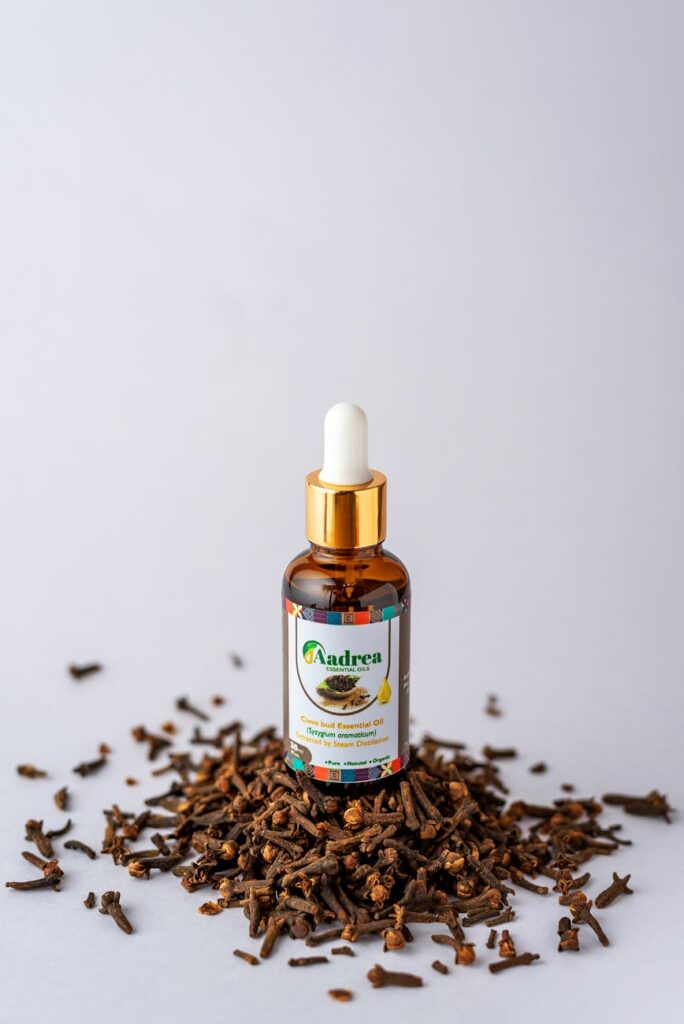
How to Use Clove Oil
Introduction
Clove oil, derived from the dried flower buds of the Syzygium aromaticum tree, has a long history of use in various cultures for its aromatic and therapeutic properties. With its warm, spicy scent and rich profile of beneficial compounds, clove oil is a versatile essential oil that finds its place in aromatherapy, personal care products, and natural remedies. This article explores the characteristics, benefits, and applications of clove oil, as well as important safety considerations.
What Is Clove Oil?
Clove oil is an essential oil extracted from the flower buds, leaves, and stems of the clove tree, native to the Maluku Islands in Indonesia. The oil is typically obtained through steam distillation, which captures the volatile compounds responsible for its aroma and therapeutic properties. Clove oil has a strong, pungent fragrance that is both sweet and spicy, making it a popular choice in perfumes, culinary applications, and holistic practices.
The primary chemical component of clove oil is eugenol, which constitutes approximately 80-90% of its composition. Eugenol is known for its analgesic, anti-inflammatory, and antiseptic properties. Other components found in clove oil include beta-caryophyllene, vanillin, and oleanolic acid, contributing to its distinct aroma and potential benefits.
Key Benefits and Properties
Clove oil offers a range of benefits attributed to its rich chemical composition. While it is essential to approach these claims critically, some of the noted properties of clove oil include:
1. Antimicrobial Properties: Clove oil has been shown to possess antibacterial and antifungal properties, making it a popular choice for natural cleaning products and personal care items.
2. Pain Relief: The eugenol in clove oil is often recognized for its analgesic effects, which may provide relief from minor aches and pains when used topically or in aromatherapy.
3. Anti-inflammatory Effects: Clove oil may help to reduce inflammation, making it beneficial for soothing irritated skin or providing relief from conditions associated with inflammation.
4. Digestive Support: Traditionally, clove oil has been used to aid digestion and alleviate symptoms such as bloating and discomfort.
5. Mood Enhancement: The warm and spicy aroma of clove oil is believed to promote feelings of comfort and relaxation, making it a popular choice for emotional well-being.
Common Uses
Clove oil can be used in a variety of ways, depending on the desired outcome. Here are some common applications:
1. Aromatherapy: Clove oil is frequently used in diffusers, candles, and incense to create a warm and inviting atmosphere. Its stimulating scent can enhance mood and promote relaxation.
2. Topical Applications: When diluted in a carrier oil, clove oil can be applied to the skin for its potential analgesic and anti-inflammatory effects. It is commonly used in formulations for sore muscles, insect bites, or minor skin irritations.
3. Oral Care: Due to its antimicrobial properties, clove oil is often included in dental products. It can be used in mouth rinses or added to toothpaste to support oral hygiene.
4. Culinary Uses: Clove oil can be used sparingly in cooking and baking to impart a warm, spicy flavor to dishes. It is essential to use food-grade clove oil and to adhere to recommended usage levels to avoid overwhelming flavors.
5. Cleaning Products: The antimicrobial properties of clove oil make it a valuable ingredient in natural cleaning solutions. It can be added to homemade cleaners or used to freshen the air.
Aromatherapy Applications
In aromatherapy, clove oil is prized for its ability to energize the mind and promote a sense of well-being. Here are some effective ways to incorporate clove oil into your aromatherapy practice:
1. Diffusion: Add a few drops of clove oil to an essential oil diffuser to enjoy its aromatic benefits. This method can help purify the air and create a soothing ambiance.
2. Inhalation: For a quick mood boost or to alleviate stress, place a drop or two of clove oil on a tissue and inhale deeply. This method can provide immediate aromatic benefits.
3. Massage: When combined with a carrier oil, clove oil can be used in massage therapy to relieve tension and discomfort. A typical dilution ratio is 1-2 drops of clove oil per teaspoon of carrier oil.
4. Bathing: Adding clove oil to a warm bath can create a relaxing experience. Mix several drops of clove oil with a carrier oil or Epsom salt before adding it to the bathwater.
5. Potpourri: Clove oil can be added to DIY potpourri blends to enhance their fragrance. A few drops can invigorate dried botanicals, providing a long-lasting aromatic experience.
Safety Considerations
While clove oil is generally considered safe for use, it is essential to take certain precautions to avoid adverse reactions:
1. Dilution: Always dilute clove oil with a carrier oil before applying it to the skin to minimize the risk of irritation. A patch test on a small area of skin is recommended before widespread use.
2. Pregnancy and Nursing: Pregnant or nursing individuals should consult a healthcare professional before using clove oil, as its effects during these periods are not well studied.
3. Allergic Reactions: Individuals with known allergies to cloves or related plants should avoid clove oil. Discontinue use immediately if any signs of an allergic reaction occur, such as rash, itching, or swelling.
4. Children: Clove oil should be used with caution around children. It is advisable to consult a healthcare professional before using essential oils on young children.
5. Storage: Store clove oil in a cool, dark place away from direct sunlight to maintain its potency and extend its shelf life.
Storage and Shelf Life
Proper storage of essential oils is crucial for preserving their efficacy. Clove oil should be stored in a tightly sealed, dark glass bottle to protect it from light and air exposure. When stored correctly, clove oil can last for several years. However, it is advisable to check for any changes in aroma, color, or viscosity before use, as these may indicate degradation.
Frequently Asked Questions
1. Can clove oil be ingested?
Clove oil can be ingested in small amounts when it is food-grade and used as a flavoring. However, it is essential to follow recommended guidelines and consult a qualified professional before consuming essential oils.
2. Is clove oil safe for pets?
Clove oil can be toxic to pets, especially cats and dogs. It is advisable to consult a veterinarian before using clove oil around pets.
3. What are the differences between clove oil and clove bud oil?
Clove oil and clove bud oil are often used interchangeably, but they may differ in their aroma and chemical composition. Clove bud oil typically has a higher concentration of eugenol and is often considered more potent than oil derived from other parts of the plant.
4. How can I recognize high-quality clove oil?
High-quality clove oil should be 100% pure and free from additives or synthetic fragrances. Look for products that provide information on sourcing and extraction methods.
5. Can clove oil be used for skin conditions?
Clove oil may offer benefits for certain skin conditions due to its anti-inflammatory and antimicrobial properties. However, it is crucial to dilute it properly and consult a professional if uncertain.
Conclusion
Clove oil is a multifaceted essential oil valued for its aromatic and therapeutic properties. From its historical use in culinary practices to its contemporary applications in aromatherapy and personal care, clove oil continues to captivate those seeking natural solutions for well-being. While it offers many potential benefits, proper usage, and safety considerations should always be prioritized. By understanding how to use clove oil effectively and responsibly, individuals can enjoy its rich aromatic profile and explore its myriad applications in everyday life.