
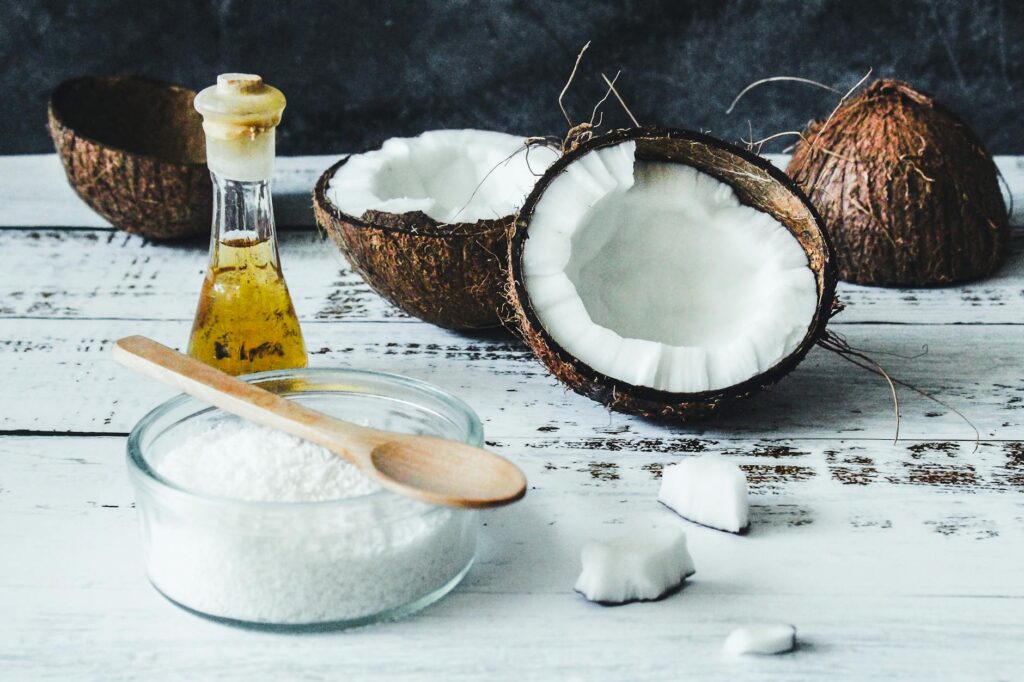
How to Use Coconut MCT Oil
Introduction
Coconut MCT oil has gained considerable popularity in recent years, particularly within health and wellness communities. Derived from coconut oil, MCT (medium-chain triglycerides) oil is composed of fatty acids that are quickly metabolized by the body. Due to its various benefits and versatile applications, MCT oil has found its way into culinary practices, skincare routines, and aromatherapy. This article will explore the nature of coconut MCT oil, its key benefits, common uses, and applications within aromatherapy, while also addressing safety considerations and storage guidelines.
What Is Coconut MCT Oil?
Coconut MCT oil is a concentrated source of medium-chain triglycerides, which are fatty acids containing 6 to 12 carbon atoms. Unlike long-chain fatty acids found in many other fats and oils, MCTs are metabolized differently. They are rapidly absorbed by the body and transported directly to the liver, where they can be converted into energy or ketones.
MCT oil is typically extracted from coconut oil, but it can also be derived from palm oil. The extraction process usually involves fractionation, which separates the MCTs from the long-chain fatty acids. The resulting product is a clear, odorless oil that is liquid at room temperature and has a high smoke point, making it suitable for various applications.
Key Benefits and Properties
Coconut MCT oil is celebrated for its array of beneficial properties, some of which include:
1. Energy Source: MCTs are quickly metabolized, providing a rapid source of energy. This makes them popular among athletes and those following ketogenic diets.
2. Weight Management: Some studies suggest that MCT oil can help in weight management by promoting feelings of fullness and increasing metabolic rates.
3. Cognitive Function: MCTs may have neuroprotective properties and are being researched for their potential benefits in enhancing cognitive function and supporting brain health.
4. Antimicrobial Properties: Coconut oil, and by extension MCT oil, contains lauric acid, which has demonstrated antimicrobial properties. This may help in supporting overall health.
5. Skin and Hair Benefits: MCT oil can be used as a moisturizer and is believed to have conditioning effects on hair.
Common Uses
Coconut MCT oil is versatile and can be used in various ways, including:
Culinary Uses
- Cooking: Due to its high smoke point, MCT oil is suitable for sautéing, frying, and baking.
- Smoothies and Beverages: MCT oil can be easily added to smoothies, coffee (often referred to as “bulletproof coffee”), or protein shakes for an energy boost.
- Salad Dressings: It can serve as a base for homemade salad dressings, adding a rich texture.
- Moisturizer: MCT oil can be applied directly to the skin to hydrate and nourish.
- Makeup Remover: Its gentle properties make it effective for removing makeup without irritating the skin.
- Hair Conditioner: MCT oil can be used as a leave-in conditioner to add shine and moisture to hair.
- Cool, Dark Place: Store MCT oil in a cool, dark place away from direct sunlight. Exposure to light and heat can degrade the oil.
- Tightly Sealed Container: Use a tightly sealed container to prevent oxidation and contamination.
- Shelf Life: When stored correctly, coconut MCT oil can have a shelf life of up to two years. Always check for any changes in color, odor, or consistency before use.
Skincare
Aromatherapy Applications
In the realm of aromatherapy, coconut MCT oil serves primarily as a carrier oil. Carrier oils are essential for diluting essential oils, making them safe for topical application. Here are some applications of MCT oil in aromatherapy:
Dilution of Essential Oils
Essential oils are potent and often require dilution before application to the skin. Coconut MCT oil is an excellent choice for this purpose due to its light texture and skin-absorbing properties.
Diffusion
While MCT oil is not typically used in diffusers, it can be combined with essential oils to create a personal inhalation blend. When applied to the skin, it can help enhance the aromatic experience of essential oils.
Massage
Coconut MCT oil can be combined with essential oils for use in massage therapy. Its smooth texture allows for easy gliding over the skin, and it absorbs well without leaving a greasy residue.
Skin Care Blends
When used in conjunction with essential oils, MCT oil can enhance the therapeutic benefits of skin care products. It can carry the properties of essential oils deeper into the skin, making it a valuable addition to homemade skin care formulations.
Safety Considerations
While coconut MCT oil is generally considered safe for most individuals, it is important to keep the following safety considerations in mind:
1. Allergic Reactions: Although rare, some individuals may experience allergic reactions to coconut products. It is advisable to perform a patch test prior to extensive use.
2. Digestive Sensitivity: Consuming MCT oil in large quantities may lead to digestive upset in some individuals. It is recommended to start with small amounts and gradually increase as tolerated.
3. Proper Dilution: When using MCT oil as a carrier oil for essential oils, proper dilution is essential to prevent skin irritation. A common guideline is to dilute essential oils to 2-5% concentration in carrier oils.
4. Consultation with Professionals: For those with specific health conditions or concerns, consulting a healthcare professional before using MCT oil—especially in a therapeutic or dietary context—is advisable.
Storage and Shelf Life
To ensure the quality and efficacy of coconut MCT oil, proper storage is essential:
Frequently Asked Questions
1. Can I use coconut MCT oil for cooking?
Yes, coconut MCT oil has a high smoke point, making it suitable for various cooking methods, including sautéing and baking.
2. Is coconut MCT oil suitable for all skin types?
Coconut MCT oil is generally well-tolerated, but individuals with oily or acne-prone skin may want to perform a patch test first, as it can be comedogenic for some.
3. How do I incorporate MCT oil into my diet?
Start by adding small amounts to smoothies, coffee, or salad dressings, and gradually increase the quantity as your body adjusts.
4. Can MCT oil be used in aromatherapy?
Yes, MCT oil is commonly used as a carrier oil in aromatherapy for diluting essential oils before topical application.
5. How do I know if my coconut MCT oil is still good?
Check for any changes in color, odor, or consistency. If it smells rancid or has developed an off-color, it is best to discard it.
Conclusion
Coconut MCT oil is a versatile oil with a multitude of applications, from culinary uses to skincare and aromatherapy. Its unique properties make it a valuable addition to health and wellness routines. As with any product, proper usage and storage are key to maximizing its benefits. Whether you are looking to enhance your cooking, improve your skincare regimen, or explore the world of aromatherapy, coconut MCT oil offers a wealth of possibilities to enrich your daily life.