
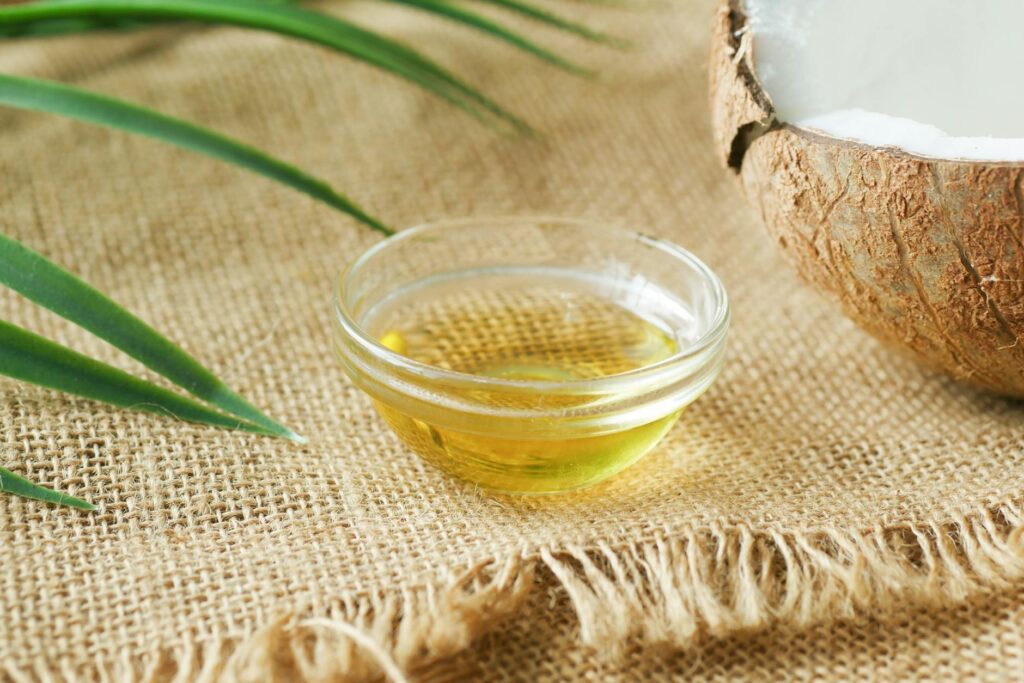
How to Use Coconut Oil Blend for Massage
Introduction
Coconut oil has gained immense popularity in recent years, particularly for its versatility in various applications, including cooking, skin care, and aromatherapy. When blended with essential oils, coconut oil transforms into a soothing medium that enhances the experience of massage therapy. This article delves into the nature of coconut oil blends for massage, their benefits, common uses, and safety considerations, providing a comprehensive understanding for those interested in incorporating these blends into their wellness routines.
What Is Coconut Oil Blend for Massage?
A coconut oil blend for massage typically consists of pure coconut oil combined with one or more essential oils. Coconut oil is a natural carrier oil derived from the flesh of coconuts, and it is known for its light texture and moisturizing properties. When combined with essential oils—concentrated plant extracts known for their aromatic and therapeutic qualities—coconut oil serves as an effective medium for massage.
The blending process allows for a balanced dilution of essential oils, making them safe for topical application while enhancing their benefits. The choice of essential oils can vary widely, depending on the desired effects, such as relaxation, invigoration, or relief from tension.
Key Benefits and Properties
Moisturizing and Nourishing
Coconut oil is rich in fatty acids, particularly lauric acid, which contributes to its moisturizing properties. It penetrates the skin easily, providing hydration and nourishment. This quality makes it an excellent choice for massage, as it helps to soften and soothe the skin, leaving it feeling supple and rejuvenated.
Antimicrobial Properties
Coconut oil possesses natural antimicrobial properties, which can help protect the skin from infections during massage. The presence of lauric acid can inhibit the growth of bacteria and fungi, making it beneficial for individuals with sensitive or acne-prone skin.
Absorption and Glide
One of the standout features of coconut oil is its ability to provide a smooth glide during massage. Unlike thicker oils, coconut oil allows for easy movement over the skin, reducing friction and enhancing the overall massage experience.
Aromatic Benefits
When blended with essential oils, coconut oil not only nourishes the skin but also carries the aromatic properties of the essential oils. This enhances the sensory experience, allowing individuals to benefit from both the physical and psychological effects of aromatherapy.
Common Uses
Therapeutic Massage
Coconut oil blends are widely used in therapeutic massage settings. Massage therapists often select specific essential oils based on the client’s needs, such as lavender for relaxation or eucalyptus for respiratory support. The blend serves to enhance the therapeutic benefits of the massage itself.
Home Use
Individuals can easily create their own coconut oil blends for personal use. Whether for self-massage, relaxation, or incorporation into a spa-like experience at home, these blends offer an accessible way to enjoy the benefits of aromatherapy.
Skin Care Routine
Coconut oil blends can also play a role in skincare routines. They can be used as moisturizers or as part of a post-shower regimen, helping to lock in moisture while providing the aromatic benefits of essential oils.
Aromatherapy Applications
Stress Relief
Essential oils such as lavender, chamomile, and bergamot are popular choices for stress relief. When blended with coconut oil, these oils can create a calming atmosphere, making them ideal for use during massage sessions aimed at relaxation.
Pain Relief
For those seeking relief from muscle tension or discomfort, essential oils like peppermint, rosemary, or ginger can be effectively blended with coconut oil. These oils are known for their warming or cooling properties and can enhance the relief experienced during a massage.
Invigoration
Essential oils such as citrus oils (like sweet orange or lemon) or eucalyptus can provide an invigorating experience. When combined with coconut oil, these blends can stimulate the senses, making them suitable for morning massages or pre-workout applications.
Safety Considerations
Patch Testing
Before using any new essential oil blend, it is advisable to conduct a patch test. Apply a small amount of the blend to a discreet area of skin and wait 24 hours to check for any adverse reactions. This is particularly important for individuals with sensitive skin or allergies.
Dilution Ratios
Coconut oil is an effective carrier oil, but essential oils should still be diluted appropriately. A common dilution ratio is 2-3% essential oil to carrier oil for body applications. This translates to about 10-15 drops of essential oil per ounce of coconut oil. Following proper dilution guidelines ensures safety and effectiveness.
Pregnancy and Medical Conditions
Individuals who are pregnant, nursing, or have pre-existing medical conditions should consult a healthcare professional before using essential oils. Some oils may not be suitable for everyone, and professional guidance can help ensure safety.
Storage and Shelf Life
Proper Storage
To maintain the quality of coconut oil blends, proper storage is essential. Store the blend in a cool, dark place, away from direct sunlight and heat. Glass containers with airtight seals are ideal for preserving the integrity of the oils.
Shelf Life
Coconut oil has a relatively long shelf life, typically lasting up to two years if stored correctly. However, the shelf life of the essential oils in the blend may vary, with most essential oils lasting from one to three years. It is advisable to check for any changes in scent, color, or consistency before use.
Frequently Asked Questions
Can I use coconut oil as a standalone massage oil?
Yes, coconut oil can be used alone as a massage oil. Its moisturizing properties make it an effective choice, although blending with essential oils can enhance the overall experience.
How do I choose essential oils for my coconut oil blend?
Choosing essential oils depends on your desired effects. For relaxation, consider oils like lavender or chamomile. For invigoration, citrus oils or peppermint may be more suitable. Research the properties of various essential oils to find the best fit for your needs.
Is coconut oil suitable for all skin types?
Coconut oil is generally safe for most skin types, but individuals with oily or acne-prone skin should use it cautiously as it may clog pores. Always conduct a patch test before widespread application.
Can I use coconut oil blends for children?
When using coconut oil blends for children, it is crucial to choose gentle essential oils and follow proper dilution ratios. Consult a healthcare professional for guidance on suitable oils and concentrations for children.
How can I incorporate coconut oil blends into my daily routine?
Coconut oil blends can be used in various ways, including as part of a massage routine, in skincare, or even in baths. Experiment with different applications to find what works best for you.
In summary, coconut oil blends for massage offer a wealth of benefits, from moisturizing properties to the aromatic qualities of essential oils. By understanding their uses, benefits, and safety considerations, individuals can effectively incorporate these blends into their wellness practices, enhancing both physical and emotional well-being.