
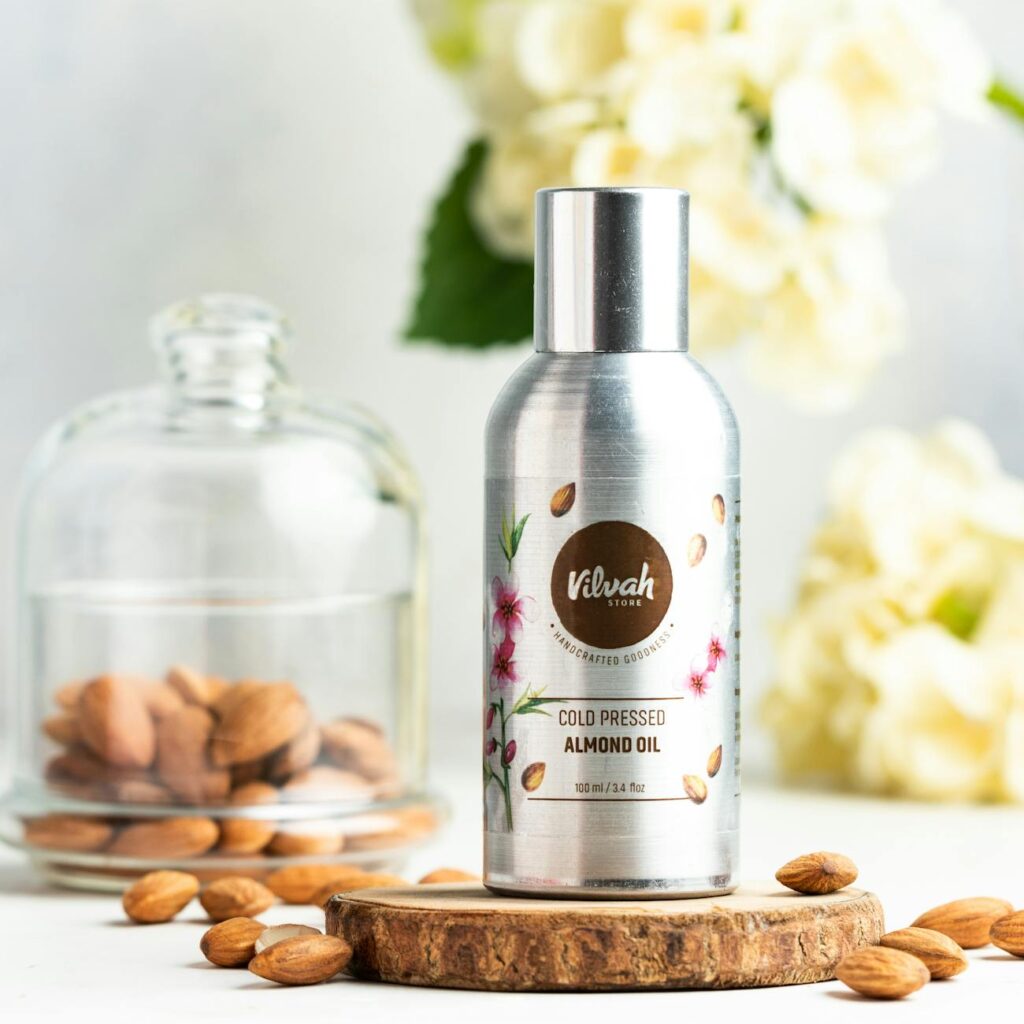
How to Use Cold-Pressed Almond Oil
Introduction
Cold-pressed almond oil is a versatile and beneficial oil derived primarily from sweet almonds (Prunus amygdalus). Renowned for its nourishing properties, this oil has found a place in various applications, from skincare to culinary uses. This article explores the characteristics, benefits, and uses of cold-pressed almond oil, offering a comprehensive guide for anyone interested in incorporating it into their daily routine.
What Is Cold-Pressed Almond Oil?
Cold-pressed almond oil is extracted from the seeds of the almond tree using a method that preserves its natural properties. This extraction process involves mechanically pressing the almonds at low temperatures, which helps retain essential nutrients, flavor, and aroma. Unlike refined oils, cold-pressed almond oil is free from chemical solvents and excessive heat, making it a more natural and wholesome option.
Types of Almond Oil
There are two main types of almond oil: sweet almond oil and bitter almond oil. Sweet almond oil is the most commonly used in culinary and cosmetic applications, while bitter almond oil is primarily used for its aromatic properties and should be handled with care due to its toxicity when ingested.
Key Benefits and Properties
Cold-pressed almond oil is celebrated for its rich composition of vitamins, minerals, and fatty acids. Here are some key benefits and properties:
Nutritional Profile
- Vitamins: Almond oil is rich in Vitamin E, a powerful antioxidant that helps protect the skin from oxidative stress.
- Fatty Acids: It contains monounsaturated fats, which are beneficial for heart health and can help maintain healthy skin.
- Minerals: Almond oil also provides essential minerals such as magnesium and calcium.
- Moisturization: Cold-pressed almond oil is an excellent emollient, making it perfect for hydrating dry skin.
- Anti-inflammatory Properties: Its anti-inflammatory characteristics may help soothe irritated skin.
- Anti-aging Effects: The presence of antioxidants can help reduce the appearance of fine lines and promote a youthful appearance.
- Nourishment: Almond oil can help nourish and strengthen hair, reducing breakage and promoting shine.
- Scalp Health: It may assist in alleviating dry scalp conditions, promoting overall scalp health.
- Moisturizer: Apply a few drops to the face and body after cleansing to lock in moisture.
- Makeup Remover: Use almond oil as a natural makeup remover, applying it to a cotton pad and gently wiping away makeup.
- Massage Oil: Combine with essential oils for a relaxing massage experience.
- Hair Treatment: Warm a small amount and apply it to the hair and scalp as a deep conditioning treatment.
- Frizz Control: Use a tiny amount on the ends of hair to tame frizz and add shine.
- Cooking Oil: Cold-pressed almond oil can be used in salad dressings, marinades, or drizzled over cooked dishes for added flavor.
- Baking: Substitute it for butter or other oils in baking recipes for a nutty flavor.
- Lavender: Known for its calming properties, lavender essential oil combines beautifully with almond oil for relaxation.
- Peppermint: This invigorating oil can be blended with almond oil for a refreshing massage or foot rub.
- Tea Tree: When diluted with almond oil, tea tree oil can be used for its purifying properties on the skin.
- Cool, Dark Place: Store the oil in a cool, dark place away from direct sunlight to prevent oxidation.
- Seal Tightly: Ensure the bottle is tightly sealed after use to minimize exposure to air.
- Shelf Life: Cold-pressed almond oil typically has a shelf life of 1 to 2 years, but it is advisable to check for any rancid smell or changes in color before use.
Skin Benefits
Hair Benefits
Common Uses
Cold-pressed almond oil can be utilized in various ways, catering to both cosmetic and culinary needs.
Skincare
Haircare
Culinary Uses
Aromatherapy Applications
While almond oil itself is not an essential oil, it serves as an excellent carrier oil in aromatherapy. Carrier oils dilute essential oils, making them safe for topical application. Here are some ways to use cold-pressed almond oil in aromatherapy:
Blending with Essential Oils
To create personalized blends, mix a few drops of essential oil with a carrier oil like almond oil. Popular essential oils that pair well include:
Diffusion
Although almond oil is not typically used in diffusers, it can be blended with essential oils for a soothing inhalation experience. Create a calming atmosphere by adding a few drops of essential oil to a bowl of warm water and inhaling the steam.
Safety Considerations
While cold-pressed almond oil is generally safe for most individuals, it is essential to consider a few safety guidelines:
Allergies
Individuals with nut allergies should avoid using almond oil, as it may trigger allergic reactions. It is advisable to perform a patch test before applying it to larger areas of the skin.
Dilution
When using almond oil as a carrier oil for essential oils, always dilute essential oils according to recommended guidelines to avoid skin irritation.
Quality
Choose high-quality, organic cold-pressed almond oil to ensure purity and avoid harmful additives. Look for oils that are packaged in dark glass bottles to protect them from light degradation.
Storage and Shelf Life
To maintain the quality and extend the shelf life of cold-pressed almond oil, proper storage is crucial. Here are some tips:
Frequently Asked Questions
1. Can cold-pressed almond oil be ingested?
Yes, cold-pressed almond oil is safe for culinary use. However, ensure that you are using food-grade almond oil and not cosmetic-grade oil.
2. Is cold-pressed almond oil suitable for all skin types?
Cold-pressed almond oil is generally well-tolerated by most skin types, but individuals with nut allergies should avoid it. It is advisable to conduct a patch test before extensive use.
3. How often can I use almond oil on my skin?
You can use almond oil daily as part of your skincare routine, whether as a moisturizer or in other formulations.
4. Can I use cold-pressed almond oil for cooking at high temperatures?
While cold-pressed almond oil can be used for light sautéing or drizzling over dishes, it is best to avoid high-heat cooking methods, as this can degrade its beneficial properties.
5. How can I tell if my almond oil has gone bad?
Signs that almond oil has gone rancid include a foul odor, a change in color, or a thickened texture. If you notice any of these signs, it is best to discard the oil.
Conclusion
Cold-pressed almond oil is a remarkable oil with a wide range of applications in skincare, haircare, and culinary practices. Its rich nutritional profile and versatile nature make it a valuable addition to any holistic lifestyle. By understanding its benefits, proper uses, and safety guidelines, you can effectively incorporate cold-pressed almond oil into your daily routine, reaping its many rewards.