
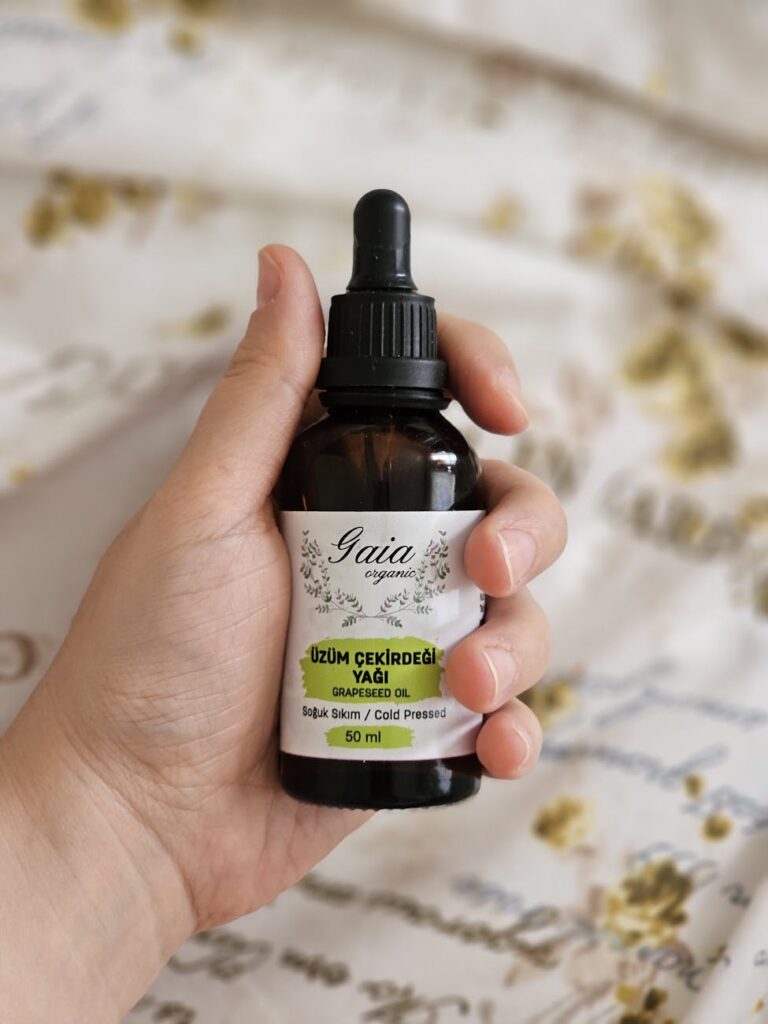
How to Use Cold-Pressed Black Seed Oil
Introduction
Cold-pressed black seed oil, derived from the seeds of the Nigella sativa plant, has gained significant attention for its numerous health benefits and versatile applications. Known for its rich nutritional profile and potent bioactive compounds, this oil has been utilized for centuries in various cultures for its therapeutic properties. This article delves into the characteristics, benefits, common uses, and safety considerations of cold-pressed black seed oil, equipping readers with a comprehensive understanding of this remarkable oil.
What Is Cold-Pressed Black Seed Oil?
Cold-pressed black seed oil is extracted from the seeds of the Nigella sativa plant through a mechanical process that preserves the oil’s natural properties. Unlike oils extracted using heat or chemicals, the cold-press method maintains the oil’s nutritional integrity, ensuring that the beneficial compounds remain intact.
The Nigella sativa plant is native to South Asia and the Mediterranean region, and its seeds have been revered in traditional medicine. The oil itself has a dark color and a distinctive, slightly bitter flavor, with a rich aroma that is both nutty and peppery.
Key Benefits and Properties
Cold-pressed black seed oil is celebrated for its diverse range of health benefits and properties, which include:
1. Rich Nutritional Profile: This oil is abundant in essential fatty acids, including omega-3, omega-6, and omega-9, which are crucial for maintaining overall health. Additionally, it contains vitamins A, B, and C, as well as minerals such as calcium, potassium, and zinc.
2. Antioxidant Properties: Black seed oil is high in thymoquinone, a powerful antioxidant that helps combat oxidative stress and neutralizes free radicals in the body. This property contributes to overall wellness and may help in reducing inflammation.
3. Anti-Inflammatory Effects: The oil has been noted for its anti-inflammatory properties, making it beneficial for conditions characterized by inflammation.
4. Immune System Support: The bioactive compounds in black seed oil may help to enhance immune function, potentially aiding the body in defending against various illnesses.
5. Skin Health: Black seed oil is often used in skincare for its moisturizing properties and ability to soothe skin irritations. It may help with conditions such as eczema, acne, and dry skin.
6. Digestive Health: Some users report that cold-pressed black seed oil aids in digestive issues, including bloating and gas, and may promote healthy gut flora.
Common Uses
Cold-pressed black seed oil is versatile and can be incorporated in various ways, including:
1. Culinary Uses: The oil can be used as a salad dressing or drizzled over cooked dishes to enhance flavor. It is advisable to use it raw or at low heat to preserve its beneficial properties.
2. Skincare: The oil can be applied topically to the skin. It is often mixed with carrier oils, such as coconut or jojoba oil, to create a nourishing skin treatment.
3. Hair Care: Cold-pressed black seed oil can be massaged into the scalp to promote healthy hair growth and improve scalp health.
4. Supplements: Some individuals choose to take black seed oil in capsule form or as a liquid supplement to reap its health benefits.
5. Aromatherapy: While black seed oil is not typically used as an essential oil in diffusers, it can be blended with other essential oils for topical applications in aromatherapy practices.
Aromatherapy Applications
While cold-pressed black seed oil itself is not an essential oil, it can still be used in aromatherapy practices when combined with other essential oils. Here are some ways to incorporate it:
1. Massage Blends: Mix cold-pressed black seed oil with essential oils like lavender or eucalyptus. This combination can be used in massages to promote relaxation and relieve tension.
2. Skin Care Formulations: Combine black seed oil with essential oils known for their skin benefits, such as tea tree or frankincense, to create a soothing facial serum or treatment for minor irritations.
3. Inhalation: While black seed oil is not typically diffused, you can create a personal inhaler by mixing it with essential oils and using it for direct inhalation.
4. Bath Additive: Add a few drops of essential oils combined with black seed oil to a warm bath to promote relaxation and enhance skin hydration.
Safety Considerations
While cold-pressed black seed oil is generally considered safe for most individuals, certain precautions should be taken:
1. Patch Test: Before applying the oil topically, it is advisable to conduct a patch test on a small area of skin to check for any allergic reactions.
2. Consultation: If you are pregnant, nursing, or have specific health conditions, it is recommended to consult with a healthcare professional before using black seed oil.
3. Dosage: If taking black seed oil as a supplement, adhere to the recommended dosage provided on the product label, as excessive consumption may lead to unwanted side effects.
4. Interactions: Be mindful of potential interactions with medications. If you are taking any prescription medications, consult with a healthcare provider to ensure there are no conflicts.
Storage and Shelf Life
To maintain the quality of cold-pressed black seed oil, proper storage is essential:
1. Containers: Store the oil in a dark glass bottle to protect it from light, which can degrade its quality.
2. Temperature: Keep the oil in a cool, dark place, away from heat sources. Ideal storage conditions are in a refrigerator or a pantry away from direct sunlight.
3. Shelf Life: Cold-pressed black seed oil typically has a shelf life of 6 months to 1 year after opening. Always check for any signs of rancidity, such as an off smell or taste, before use.
Frequently Asked Questions
1. Can cold-pressed black seed oil be ingested?
Yes, cold-pressed black seed oil can be ingested, but it is important to follow recommended dosages and consult with a healthcare professional if you have any health concerns.
2. Is cold-pressed black seed oil safe for children?
While cold-pressed black seed oil is generally safe, it is advisable to consult a healthcare provider before administering it to children.
3. How can I incorporate black seed oil into my skincare routine?
Cold-pressed black seed oil can be added to your skincare routine by mixing it with carrier oils, adding it to lotions, or using it as a treatment for specific skin conditions.
4. Does black seed oil have a strong smell?
Cold-pressed black seed oil has a distinct, slightly bitter aroma that some may find strong. It is advisable to blend it with other fragrances if you are sensitive to strong odors.
5. Can I use black seed oil for cooking?
Yes, cold-pressed black seed oil can be used in cooking, but it is best used raw or at low heat to preserve its beneficial properties.
Conclusion
Cold-pressed black seed oil is a multifaceted oil with a rich history and a wide array of applications. From culinary uses to skincare benefits, this oil has captured the attention of many for its potential advantages. By understanding its properties, benefits, and safe usage, individuals can make informed decisions about incorporating this remarkable oil into their daily routines. Always prioritize quality and storage methods to ensure that you reap the maximum benefits from cold-pressed black seed oil.