
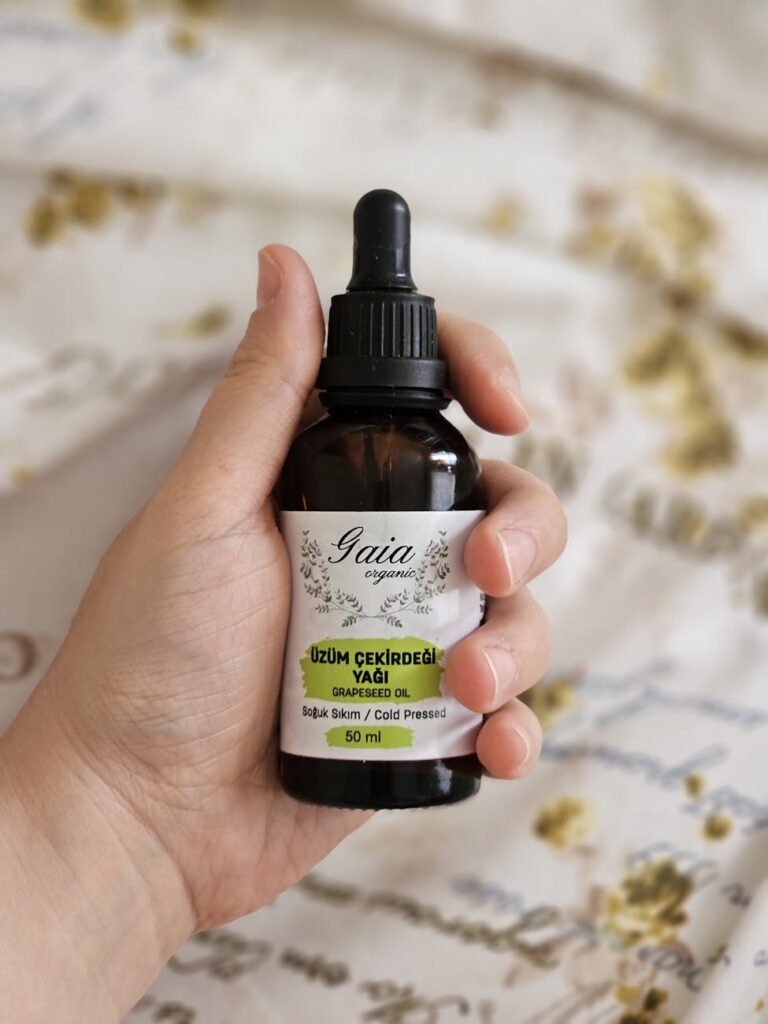
How to Use Cold-Pressed Chia Seed Oil
Introduction
In recent years, chia seeds have gained popularity as a superfood, known for their nutritional benefits and versatility in cooking. However, the oil extracted from these tiny seeds—cold-pressed chia seed oil—has also emerged as a valuable addition to the wellness and beauty industries. This article will explore the properties, benefits, and various applications of cold-pressed chia seed oil, providing a comprehensive guide for those interested in incorporating this oil into their lifestyle.
What Is Cold-Pressed Chia Seed Oil?
Cold-pressed chia seed oil is derived from the seeds of the Salvia hispanica plant, which is native to Central and South America. The extraction process involves mechanically pressing the seeds without the use of heat or chemicals, preserving the oil’s natural properties and nutrients. This method not only retains the integrity of the oil but also enhances its flavor and aroma.
Chia seed oil is rich in omega-3 fatty acids, antioxidants, and essential nutrients, making it a sought-after ingredient in both culinary and cosmetic applications. Its light texture and mild flavor make it suitable for various uses, from salad dressings to skincare formulations.
Key Benefits and Properties
Cold-pressed chia seed oil boasts a range of beneficial properties, making it an attractive option for health and wellness enthusiasts. Some of its key benefits include:
- Rich in Omega-3 Fatty Acids: Chia seed oil is particularly high in alpha-linolenic acid (ALA), a type of omega-3 fatty acid that is essential for cardiovascular health. Omega-3s are known for their anti-inflammatory properties and may support overall wellness.
- High Antioxidant Content: The oil contains antioxidants like tocopherols, which help combat oxidative stress and protect cells from damage. This property makes it a popular choice in skincare formulations.
- Nutrient-Rich: In addition to omega-3s, chia seed oil contains beneficial nutrients such as protein, fiber, and minerals, contributing to its reputation as a superfood.
- Moisturizing Properties: When used in cosmetics, chia seed oil can enhance skin hydration and improve elasticity, making it suitable for dry or aging skin.
- Light Texture: Its non-greasy, lightweight texture allows for easy absorption, making it ideal for topical applications and culinary uses alike.
- Calming Blend: Mix chia seed oil with lavender essential oil for a soothing massage oil that promotes relaxation.
- Energizing Blend: Combine chia seed oil with citrus essential oils like lemon or orange for an uplifting aroma that can invigorate the senses.
- Skin Nourishing Blend: Pair chia seed oil with frankincense or geranium essential oil for a nourishing facial serum that promotes healthy skin.
- Allergic Reactions: Individuals with allergies to chia seeds or related plants should avoid using chia seed oil.
- Skin Sensitivity: Perform a patch test before applying chia seed oil to larger areas of the skin to rule out any potential allergic reactions.
- Consultation with Professionals: If you are pregnant, nursing, or have underlying health conditions, consult with a healthcare professional before incorporating chia seed oil into your routine.
- Quality of Oil: Always choose high-quality, cold-pressed chia seed oil from reputable sources to ensure purity and avoid additives or contaminants.
Common Uses
Cold-pressed chia seed oil can be utilized in various ways, catering to both culinary and cosmetic needs:
Culinary Uses
1. Salad Dressings: The mild, nutty flavor of chia seed oil makes it an excellent base for salad dressings. Combine it with vinegar, lemon juice, and herbs for a refreshing dressing.
2. Cooking: Chia seed oil has a relatively high smoke point, making it suitable for sautéing and stir-frying. However, to preserve its nutritional benefits, it is often recommended to use it in low-heat applications.
3. Smoothies: Adding a teaspoon of chia seed oil to smoothies can enhance the nutritional profile, providing a boost of omega-3 fatty acids.
4. Baking: Substitute traditional oils or fats with chia seed oil in baking recipes to add a nutritional boost.
5. Drizzling: Use it as a finishing oil for roasted vegetables, grains, or meats to enhance flavor and nutrition.
Cosmetic Uses
1. Moisturizer: Chia seed oil can be used as a standalone moisturizer or added to creams and lotions for enhanced hydration.
2. Hair Care: Incorporate chia seed oil into hair treatments to nourish dry or damaged hair, promoting shine and manageability.
3. Massage Oil: Due to its light texture, chia seed oil can be used as a carrier oil for essential oils in massage therapy.
4. Lip Care: Its moisturizing properties make it an excellent ingredient in lip balms, providing hydration and protection.
5. Anti-Aging Treatments: The antioxidant properties of chia seed oil can help combat signs of aging, making it a popular choice in anti-aging skincare formulations.
Aromatherapy Applications
While chia seed oil is not an essential oil, it can be effectively used as a carrier oil in aromatherapy. Mixing it with essential oils allows for the safe application of these concentrated plant extracts. Some popular combinations include:
When using chia seed oil in aromatherapy, it is essential to maintain proper dilution ratios to ensure safety and effectiveness.
Safety Considerations
While cold-pressed chia seed oil is generally safe for most individuals, it is essential to consider the following precautions:
Storage and Shelf Life
To maximize the shelf life and quality of cold-pressed chia seed oil, proper storage is crucial. Here are some guidelines:
1. Cool and Dark Place: Store the oil in a cool, dark place away from direct sunlight or heat sources. Exposure to light and heat can degrade the oil, affecting its flavor and nutritional properties.
2. Refrigeration: While not necessary, refrigerating chia seed oil can extend its shelf life and maintain its freshness.
3. Tightly Sealed Containers: Keep the oil in tightly sealed containers to prevent oxidation and contamination.
4. Expiration Date: Check the expiration date on the packaging and aim to use the oil within 6–12 months after opening for optimal freshness.
Frequently Asked Questions
1. Can I use cold-pressed chia seed oil for cooking?
Yes, chia seed oil can be used for cooking, especially in low-heat applications. It is best used for salad dressings, drizzling, and baking.
2. Is chia seed oil suitable for all skin types?
Chia seed oil is generally well-tolerated and suitable for various skin types, including dry and sensitive skin. However, conducting a patch test is advisable.
3. What is the difference between chia seed oil and chia seed extract?
Chia seed oil is extracted from the seeds and is primarily composed of fatty acids, while chia seed extract may contain other components like proteins, fibers, and antioxidants.
4. Can I use chia seed oil in my hair?
Yes, chia seed oil can be beneficial for hair care. It can help nourish and moisturize dry or damaged hair.
5. How can I tell if my chia seed oil has gone bad?
Signs of rancidity include an off odor, a change in color, or an unpleasant taste. If any of these signs are present, it is best to discard the oil.
Conclusion
Cold-pressed chia seed oil is a versatile and nutrient-rich oil that can enhance both culinary and cosmetic applications. Its rich omega-3 content, antioxidant properties, and light texture make it a valuable addition to any health-conscious lifestyle. Whether used in salad dressings, skincare formulations, or aromatherapy, chia seed oil offers numerous benefits and can be easily integrated into daily routines. As with any product, proper storage and awareness of individual sensitivities are essential for maximizing its value.