
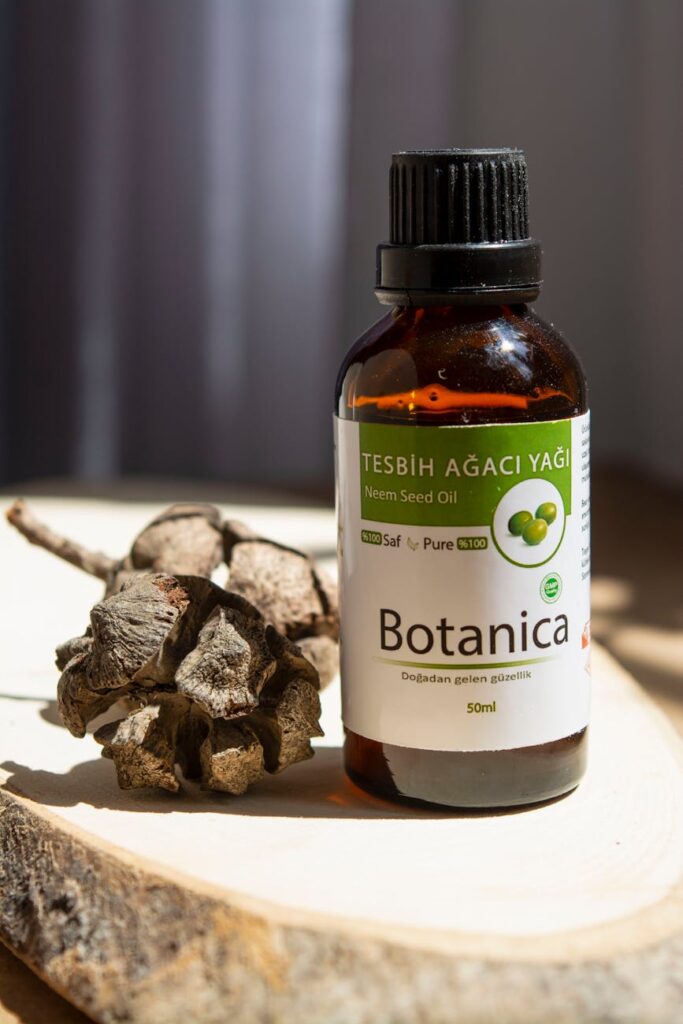
How to Use Cold-Pressed Neem Oil
Introduction
Cold-pressed neem oil has gained recognition for its numerous benefits and versatile applications, particularly in the realms of skincare, gardening, and holistic wellness. Derived from the seeds of the neem tree (Azadirachta indica), this oil has been utilized for centuries in traditional practices across various cultures. This article will explore the nature of cold-pressed neem oil, its benefits, common uses, and relevant safety considerations, along with practical tips for storage and frequently asked questions.
What Is Cold-Pressed Neem Oil?
Cold-pressed neem oil is extracted from the seeds of the neem tree through a mechanical extraction process that does not involve heat. This method preserves the oil’s natural properties and nutrients, resulting in a high-quality product rich in beneficial compounds. The neem tree, native to the Indian subcontinent, has been revered for its medicinal and agricultural applications.
The oil has a distinct dark green to brown color and a strong, earthy aroma. Its composition includes essential fatty acids, antioxidants, and various bioactive compounds, making it a sought-after ingredient in numerous formulations.
Key Benefits and Properties
Cold-pressed neem oil boasts an array of beneficial properties:
1. Antimicrobial Properties: Neem oil contains compounds that exhibit antibacterial, antiviral, and antifungal properties, making it effective for various topical applications.
2. Anti-inflammatory Effects: The oil is known for its anti-inflammatory effects, which may help soothe irritated skin and reduce redness.
3. Moisturizing Qualities: Rich in essential fatty acids, neem oil serves as a natural moisturizer, helping to maintain skin hydration.
4. Insect Repellent: Neem oil is often used as a natural insect repellent, making it beneficial for gardening and pest control.
5. Wound Healing: Its ability to promote skin regeneration makes neem oil useful in treating minor cuts and abrasions.
6. Regulation of Sebum Production: Neem oil can help balance oil production in the skin, which is beneficial for those with oily or combination skin types.
Common Uses
Cold-pressed neem oil can be employed in various applications:
1. Skincare
- Moisturizer: Mix neem oil with a carrier oil such as jojoba or coconut oil. Apply it to the skin to enhance moisture retention.
- Acne Treatment: Due to its antibacterial properties, neem oil may help reduce acne outbreaks. Dilute with a carrier oil and apply to affected areas.
- Scalp Treatment: Massaging neem oil into the scalp can promote healthy hair growth and alleviate dandruff.
- Pest Control: Neem oil can be diluted with water and used as a natural pesticide to deter aphids, spider mites, and other garden pests.
- Fungicide: Its antifungal properties make it effective in preventing and treating fungal infections in plants.
- Natural Cleaner: Neem oil can be combined with vinegar or baking soda to create an all-natural cleaner for household surfaces.
- Insect Repellent: The oil can be used in homemade insect repellent sprays to deter mosquitoes and other insects.
- Keep in a cool, dark place: Store neem oil in a dark glass bottle in a cool, shaded area to prevent oxidation and degradation.
- Avoid heat and light: Exposure to heat and sunlight can cause the oil to spoil more quickly.
- Check expiration dates: Neem oil typically has a shelf life of 1 to 2 years when stored correctly. Always check the expiration date before use.
2. Gardening
3. Household Products
Aromatherapy Applications
In aromatherapy, cold-pressed neem oil may not be as commonly used as essential oils, but it can still offer benefits when employed correctly:
1. Diffusion
While neem oil has a strong aroma that may not be pleasant for everyone, it can be combined with more fragrant essential oils (such as lavender or citrus oils) in a diffuser. This combination can enhance the aromatic experience while infusing the space with neem’s beneficial properties.
2. Topical Blends
When formulating topical blends for aromatherapy, neem oil can serve as a base oil. It can be mixed with essential oils to create a soothing massage oil or a calming lotion. Always ensure to dilute neem oil properly with a carrier oil for safety.
3. Bath Products
Adding neem oil to bath products can provide a relaxing experience while delivering its beneficial properties to the skin. Combine with Epsom salts or other carrier oils for a soothing soak.
Safety Considerations
While cold-pressed neem oil is generally considered safe for topical use, there are important safety considerations to keep in mind:
1. Patch Test: Always perform a patch test before using neem oil on larger areas of skin. Apply a small amount to a discreet area and observe for any adverse reactions over 24 hours.
2. Dilution: Neem oil is potent and should always be diluted with a carrier oil before applying it to the skin. A general guideline is to use a 1:10 ratio of neem oil to carrier oil.
3. Pregnancy and Nursing: Pregnant or nursing individuals should consult with a healthcare professional before using neem oil.
4. Children: Use caution when applying neem oil to children, and consult a pediatrician if uncertain.
5. Allergic Reactions: Some individuals may be allergic to neem oil. Discontinue use and seek medical attention if any signs of an allergic reaction occur.
Storage and Shelf Life
To maintain the quality and efficacy of cold-pressed neem oil, proper storage is essential:
Frequently Asked Questions
1. Can neem oil be ingested?
Cold-pressed neem oil is primarily intended for external use. Ingesting neem oil can lead to adverse effects; thus, it is not recommended without guidance from a qualified healthcare professional.
2. Is neem oil suitable for all skin types?
While neem oil can benefit various skin types, individuals with sensitive skin or allergies should exercise caution. A patch test is advisable to determine individual tolerance.
3. How do I dilute neem oil for use on my skin?
A common dilution ratio is to mix 1 part neem oil with 10 parts of a carrier oil, such as coconut oil, olive oil, or jojoba oil.
4. Can neem oil be used on pets?
Neem oil is sometimes used in pet care for its insect-repelling properties. However, always consult a veterinarian before applying neem oil to pets, as some animals may be sensitive to it.
5. How can I tell if neem oil has gone bad?
Signs of spoilage include an off-smell, cloudy appearance, or changes in color. If any of these occur, it is best to dispose of the oil.
—
In summary, cold-pressed neem oil is a versatile and beneficial oil with a wide range of applications. From skincare to gardening, its properties offer valuable support in various contexts. By understanding how to use neem oil safely and effectively, individuals can harness its potential in their daily routines.