
How to Use Copaiba Oil
Introduction
Copaiba oil, derived from the resin of the copaiba tree (Copaifera spp.), has gained recognition for its diverse applications in aromatherapy and holistic wellness. This essential oil is celebrated for its unique chemical composition, which contributes to its aromatic properties and potential benefits. This article explores copaiba oil in detail, discussing its characteristics, benefits, uses, and safety considerations.
What Is Copaiba Oil?
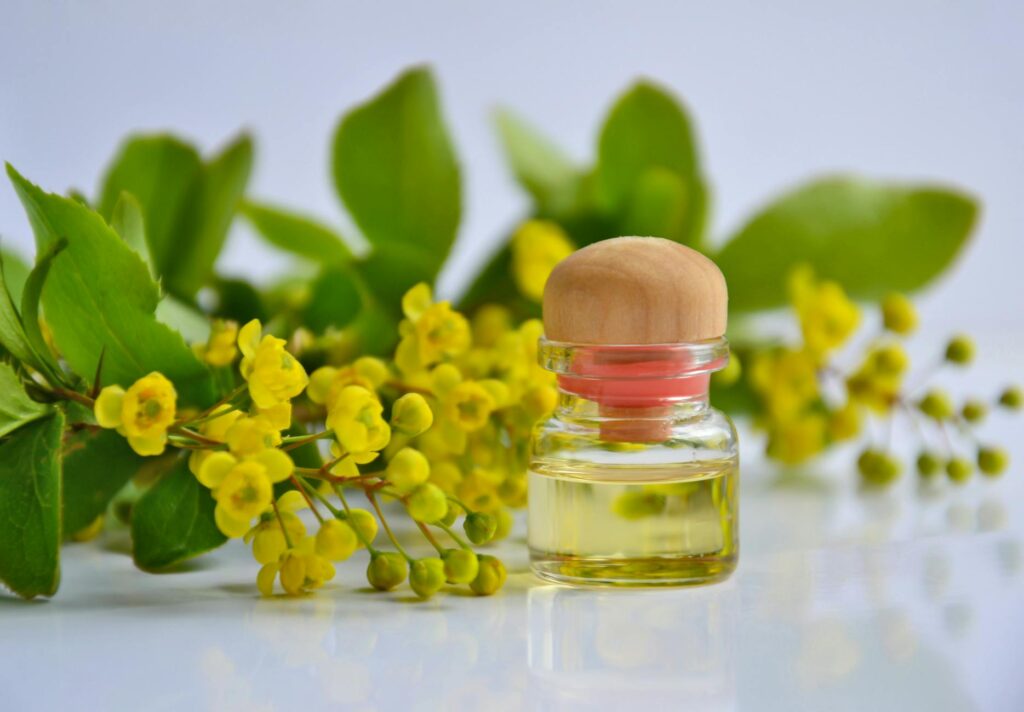
Copaiba oil is extracted primarily from the resin of the copaiba tree, which is native to South America, particularly regions in Brazil, Peru, and Colombia. The extraction process involves tapping the tree to collect its resin, which is then steam-distilled to produce the oil. Copaiba oil is known for its warm, woody aroma and light yellow to golden color.
The chemical profile of copaiba oil is noteworthy, containing a high concentration of beta-caryophyllene, a compound that contributes to its therapeutic properties. Unlike many other essential oils, copaiba does not have a strong odor, making it a versatile addition to various formulations.
Key Benefits and Properties
Copaiba oil is valued for several properties that contribute to its popularity in aromatherapy and natural wellness practices. Some of the key benefits include:
- Anti-inflammatory Properties: Copaiba oil is often used for its potential anti-inflammatory effects. Research suggests that beta-caryophyllene may help modulate inflammation in the body.
- Antioxidant Effects: The oil is also recognized for its antioxidant properties, which can help combat oxidative stress caused by free radicals.
- Pain Relief: Many individuals use copaiba oil for its potential analgesic properties, which may assist in alleviating discomfort and promoting relaxation.
- Mood Enhancement: The oil’s calming aroma may contribute to emotional balance and stress reduction, making it a popular choice for emotional support.
- Skin Health: Copaiba oil is often included in skincare formulations due to its soothing properties, which may help alleviate skin irritations and promote a healthy complexion.
- Dilution: Always dilute copaiba oil with a carrier oil before topical application to minimize the risk of skin irritation.
- Patch Test: Conduct a patch test to check for allergic reactions. Apply a small amount of diluted oil to a discreet area of skin and monitor for any adverse reactions over 24 hours.
- Pregnancy and Nursing: Pregnant or nursing individuals should consult a healthcare provider before using copaiba oil.
- Children: It is advisable to exercise caution when using essential oils with children. Consult a healthcare professional for guidance on appropriate use and dilution ratios.
- Allergies: Individuals with known allergies to plants in the Fabaceae family should exercise caution when using copaiba oil.
- Consultation: If you are on medication or have underlying health conditions, consult a healthcare professional before using copaiba oil.
- Cool, Dark Place: Store the oil in a cool, dark place away from direct sunlight and heat sources. This helps prevent degradation of the oil.
- Tightly Sealed: Ensure that the bottle is tightly sealed when not in use to minimize exposure to air.
- Shelf Life: When stored correctly, copaiba oil typically has a shelf life of 2 to 3 years. Always check for any changes in aroma or appearance before use.
Common Uses
Copaiba oil can be utilized in various ways, catering to different preferences and needs. Here are some common applications:
Topical Application
Copaiba oil can be diluted with a carrier oil, such as coconut or jojoba oil, and applied directly to the skin. This method is often used for localized discomfort, skin irritations, or as part of a massage blend. It is essential to perform a patch test on a small skin area before full application.
Inhalation
Copaiba oil can be inhaled directly from the bottle or added to a diffuser to enjoy its aromatic benefits. This method is effective for promoting relaxation, reducing stress, and enhancing mood.
Bath Additive
Adding several drops of copaiba oil to a warm bath can create a soothing and aromatic experience. This method can help promote relaxation and relieve tension in the muscles.
Culinary Use
Though less common, copaiba oil can be used in very small amounts in culinary applications. It is crucial to ensure that the oil is food-grade if used in this manner.
Aromatherapy Applications
Copaiba oil is a versatile essential oil that can be used in various aromatherapy practices:
Blending with Other Oils
Copaiba oil blends well with other essential oils, such as lavender, frankincense, and eucalyptus. These combinations can enhance the overall aromatic experience and elevate the therapeutic effects.
Emotional Support
Using copaiba oil in a diffuser during meditation or yoga practices can promote tranquility and mental clarity. Its calming aroma may help enhance focus and emotional balance.
Meditation and Mindfulness
Incorporating copaiba oil into meditation routines can deepen the experience. A few drops can be applied to pulse points or added to a diffuser to create a serene atmosphere conducive to mindfulness.
Safety Considerations
While copaiba oil is generally considered safe for most individuals when used appropriately, there are several safety guidelines to keep in mind:
Storage and Shelf Life
To maintain the integrity and potency of copaiba oil, proper storage is essential:
Frequently Asked Questions
Is copaiba oil safe for internal use?
Copaiba oil is generally considered safe for external use. However, internal use should only be undertaken with caution and under the guidance of a healthcare professional, particularly because the safety of essential oils when ingested can vary.
Can copaiba oil help with anxiety?
While copaiba oil is often used for its calming properties, individual experiences may vary. Some users report that the oil helps promote relaxation, but it should not be used as a substitute for professional mental health treatment.
How should copaiba oil be diluted for topical use?
A common dilution ratio for topical application is 1-3 drops of copaiba oil per teaspoon of carrier oil. However, individual sensitivity may vary, so starting with a lower dilution is advisable.
Are there any known drug interactions with copaiba oil?
There are limited studies on the interactions between copaiba oil and medications. If you are taking medications or have health concerns, it is best to consult with a healthcare professional before using copaiba oil.
Can copaiba oil be used in skincare?
Yes, copaiba oil is often included in skincare products due to its soothing and anti-inflammatory properties. However, it should be diluted with a carrier oil for topical application.
Conclusion
Copaiba oil is a fascinating essential oil with a wide range of applications in aromatherapy and holistic practices. Its unique properties and versatility make it a valuable addition to any essential oil collection. By understanding how to properly use and store copaiba oil, individuals can enjoy its aromatic benefits and explore its potential contributions to emotional well-being and relaxation. As with any essential oil, it is essential to approach its use with mindfulness and caution, ensuring a safe and enjoyable experience.