
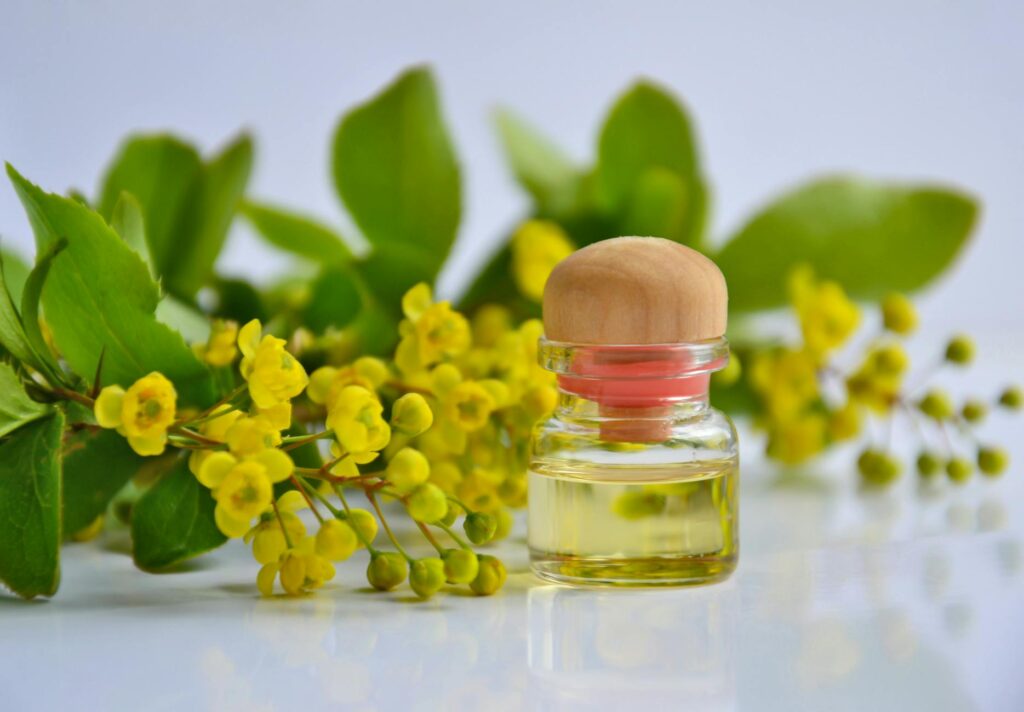
How to Use Culinary Edible Plants
Introduction
Culinary edible plants have been an integral part of human culture and cuisine for centuries. These plants not only enhance flavor and aroma in our meals but also offer a myriad of health benefits, making them essential in both cooking and wellness practices. This article delves into the world of culinary edible plants, exploring their benefits, common uses, applications in aromatherapy, safety considerations, and storage tips.
What Is Culinary Edible Plants?
Culinary edible plants encompass a wide range of botanical species, including herbs, spices, fruits, vegetables, and edible flowers. These plants can be used in various culinary applications, from flavoring dishes to garnishing meals and even infusing beverages. Some common examples include basil, rosemary, mint, oregano, thyme, and various fruits such as berries and citrus.
The classification of these plants may vary based on regional and cultural practices, but their primary characteristic is that they are safe for human consumption and often provide flavor, nutrition, or aesthetic appeal.
Key Benefits and Properties
Culinary edible plants are not just flavor enhancers; they also bring a variety of benefits:
1. Nutritional Value: Many culinary plants are rich in essential vitamins and minerals, contributing to a balanced diet. For instance, herbs like parsley and cilantro are high in vitamins A, C, and K.
2. Antioxidant Properties: Many edible plants contain antioxidants, which help neutralize free radicals in the body. This can support overall health and may contribute to reducing the risk of some diseases.
3. Flavor Enhancement: Culinary herbs and spices can elevate the taste of dishes, allowing for reduced reliance on salt and other additives.
4. Digestive Aid: Certain herbs, such as peppermint and ginger, are traditionally known to aid digestion and may help soothe digestive discomfort.
5. Cultural Significance: Culinary plants often hold cultural and historical importance, serving as key ingredients in traditional dishes and practices.
Common Uses
Culinary edible plants can be utilized in a myriad of ways, including:
- Fresh: Many herbs can be used fresh to garnish salads, soups, and main courses. Fresh herbs are often preferred for their vibrant flavors.
- Dried: Dried herbs and spices are commonly used for seasoning and flavoring in cooking. They tend to have a more concentrated flavor compared to fresh counterparts.
- Infusions: Culinary plants can be infused in oils, vinegars, or water to create flavorful dressings, marinades, or beverages.
- Teas: Many culinary herbs can be steeped in hot water to create soothing herbal teas, providing both flavor and potential relaxation benefits.
- Baking: Certain edible flowers and herbs can be incorporated into baked goods, adding unique flavors and visual appeal.
- Essential Oils: Many culinary plants are the source of essential oils that can be used for aromatherapy. For example, peppermint oil can invigorate the senses, while lavender oil is known for its calming properties.
- Diffusion: Culinary plants can be used in diffusers to fill a space with pleasant aromas, creating a welcoming environment. Citrus peels, for instance, can add a refreshing scent.
- Bathing: Adding culinary herbs or their essential oils to bathwater can create a relaxing and aromatic experience. Rosemary and chamomile are popular choices for their soothing properties.
- Massage: Culinary oils can be blended with carrier oils for use in massage therapy, combining the benefits of touch and aroma.
- Fresh Herbs: Store fresh herbs in the refrigerator, ideally wrapped in a damp paper towel and placed in a plastic bag. Most fresh herbs will last up to a week.
- Dried Herbs and Spices: Keep dried herbs and spices in a cool, dark place in airtight containers. They typically have a shelf life of 1-3 years, depending on the type.
- Preserving: Consider freezing fresh herbs in ice trays filled with olive oil or water for longer storage. This method helps retain their flavor and can be convenient for cooking.
- Infused Oils and Vinegars: Homemade infused oils and vinegars should be stored in a cool, dark place and used within a few months to ensure quality.
Aromatherapy Applications
Aromatherapy harnesses the natural fragrances of various plants to promote well-being and enhance mood. Culinary edible plants often play a significant role in this practice:
Safety Considerations
While culinary edible plants are generally safe for consumption, there are important safety considerations to keep in mind:
1. Allergies: Some individuals may have allergies or sensitivities to certain herbs or spices. It is advisable to start with small amounts when trying a new plant.
2. Quality and Source: Ensure that the plants you use are sourced from reputable suppliers, especially if they are cultivated for culinary or medicinal use. Avoid wild-harvested plants unless you are knowledgeable about foraging.
3. Pesticides and Chemicals: Be cautious of edible plants that may have been treated with pesticides or chemicals. Organic options are often recommended for those concerned about such residues.
4. Cooking Methods: Some culinary plants may lose their beneficial properties when subjected to high heat. For example, delicate herbs like basil and parsley are best added towards the end of cooking.
5. Interactions with Medications: Certain culinary herbs may interact with medications. Always consult with a knowledgeable professional if you are unsure.
Storage and Shelf Life
Proper storage of culinary edible plants is essential to maintain their flavor and health benefits:
Frequently Asked Questions
1. Can I eat all edible plants?
Not all plants are safe to eat. It is important to ensure that the plant is indeed edible and has not been treated with harmful chemicals.
2. How can I incorporate more culinary herbs into my diet?
Start by adding small amounts of fresh or dried herbs to your favorite dishes. Experiment with different combinations to find what you enjoy.
3. Are there any toxic culinary plants I should be aware of?
Yes, some plants can be toxic. Always research and confirm the edibility of any unfamiliar plant before consuming it.
4. How do I know if my herbs are still fresh?
Fresh herbs should be vibrant and aromatic. If they are wilted, discolored, or have a weak odor, they may no longer be fresh.
5. Can I grow my own culinary herbs?
Absolutely! Many culinary herbs are easy to grow in home gardens or pots, making them readily available for use in cooking.
Conclusion
Culinary edible plants play a vital role in enhancing our meals and enriching our lives. From their nutritional benefits to their applications in aromatherapy, these plants offer a diverse range of uses and advantages. By understanding how to use, store, and appreciate these botanical treasures, individuals can elevate their culinary experiences while enjoying the myriad of flavors and benefits they provide. Whether you are a seasoned chef or a novice in the kitchen, incorporating culinary edible plants into your meals can lead to a more flavorful and healthful lifestyle.