
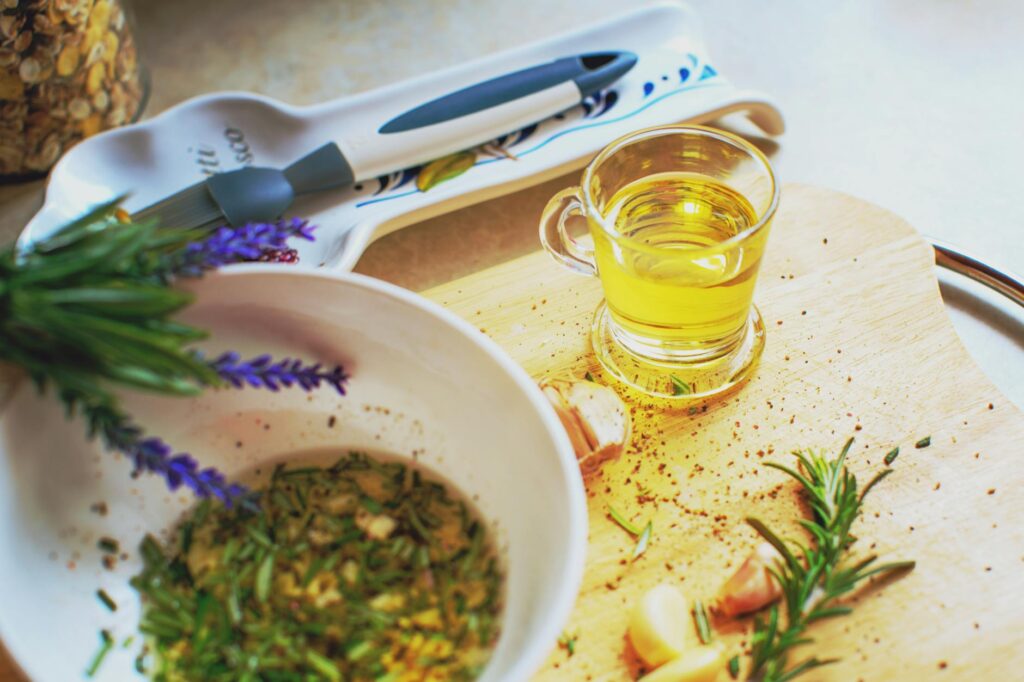
How to Use Culinary Herbs
Introduction
Culinary herbs have been an integral part of human culture and cuisine for centuries. These aromatic plants not only enhance the flavor of food but also come with a multitude of benefits that extend beyond the kitchen. This article explores what culinary herbs are, their key benefits and properties, common uses, aromatherapy applications, safety considerations, storage and shelf life, and answers to frequently asked questions.
What Are Culinary Herbs?
Culinary herbs are plants whose leaves, flowers, or stems are used to flavor food. The term “herb” typically refers to the green, leafy parts of the plant, while “spices” refer to dried seeds, bark, or roots. Common culinary herbs include basil, thyme, rosemary, oregano, parsley, cilantro, and dill, among others. These herbs can be used fresh, dried, or in essential oil form, each offering unique flavors and characteristics.
Culinary herbs are often distinguished from other types of plants by their aromatic properties, which enhance not only the taste but also the overall experience of a dish. They are commonly used in various cuisines worldwide and can be cultivated in gardens or containers, making them readily accessible.
Key Benefits and Properties
Culinary herbs offer a range of benefits that make them valuable additions to any kitchen:
1. Flavor Enhancement: The primary use of culinary herbs is to enhance the flavor profile of dishes. Different herbs can impart a variety of tastes, from the sweet and peppery notes of basil to the earthy flavor of rosemary.
2. Nutritional Value: Many culinary herbs are rich in vitamins, minerals, and antioxidants. For example, parsley is high in vitamin K, while oregano contains essential oils that have antioxidant properties.
3. Digestive Aid: Certain herbs like peppermint and ginger are known for their digestive benefits, often helping to alleviate discomfort after meals.
4. Versatile Uses: Culinary herbs can be used in a variety of forms—fresh, dried, or as infusions in oils and vinegars—allowing for a wide range of culinary applications.
5. Aromatic Qualities: The fragrant oils in culinary herbs can enhance the sensory experience of cooking and eating, creating a more enjoyable meal.
Common Uses
Culinary herbs can be incorporated into dishes in numerous ways, whether fresh or dried. Below are some common applications:
Cooking
- Seasoning: Fresh or dried herbs can be added to soups, stews, sauces, and marinades to impart flavor.
- Garnishes: Fresh herbs such as parsley or cilantro can be used as a garnish to visually enhance a dish and add fresh flavor.
- Infusions: Herbs can be infused in oils, vinegars, or broths to create flavorful bases for dishes.
- Herbal Teas: Many culinary herbs, such as mint and chamomile, can be brewed as herbal teas, offering aromatic and flavorful beverages.
- Cocktails: Fresh herbs like basil or rosemary can be muddled into cocktails to add depth and flavor.
- Savory Breads: Herbs can be incorporated into bread doughs, enhancing the flavor of the bread itself.
- Herb-Infused Oils: Oils infused with herbs can be drizzled over baked goods for an aromatic twist.
- Diffusion: Essential oils from culinary herbs can be added to a diffuser to create an aromatic environment. For instance, rosemary essential oil can invigorate and energize a space.
- Massage Oils: Blending culinary herb essential oils with carrier oils can create relaxing or invigorating massage oils. Always ensure that the essential oils used are safe for topical application.
- Baths: Adding a few drops of essential oil to bathwater can create a soothing and aromatic experience.
- Basil: Known for its uplifting and clarifying scent, basil essential oil can enhance mental clarity.
- Thyme: With its earthy aroma, thyme essential oil is often used for its grounding properties.
- Refrigeration: Fresh herbs can be stored in the refrigerator wrapped in a damp paper towel or in a glass of water, covered with a plastic bag to retain moisture.
- Freezing: Fresh herbs can be chopped and frozen in ice cube trays with a little water or oil to preserve their flavor for later use.
- Cool, Dark Place: Dried herbs should be stored in airtight containers in a cool, dark place to protect them from light and moisture.
- Shelf Life: Dried herbs typically last for 1 to 3 years, while fresh herbs may only last for a week or two, depending on the type.
Beverages
Baking
Aromatherapy Applications
While culinary herbs are primarily used for cooking, they also have applications in aromatherapy. The essential oils derived from culinary herbs can be utilized for their fragrant properties.
Methods of Use
Notable Aromatic Herbs
Safety Considerations
While culinary herbs are generally safe for consumption, there are important safety considerations to keep in mind:
1. Allergies: Some individuals may have allergies to specific herbs. It is essential to be aware of any allergies before consuming or using them.
2. Essential Oil Usage: Not all essential oils derived from culinary herbs are safe for ingestion. It is crucial to use oils that are food-grade and consult reputable sources to ensure safety.
3. Pregnancy and Nursing: Certain herbs may not be recommended during pregnancy or lactation. Always consult with a healthcare professional before using culinary herbs in any therapeutic capacity.
4. Interactions with Medications: Some herbs can interact with medications, affecting their effectiveness. It is advisable to consult a healthcare provider if you are on medication.
Storage and Shelf Life
Proper storage of culinary herbs is essential for maintaining their flavor and potency. Below are common storage methods:
Fresh Herbs
Dried Herbs
Frequently Asked Questions
1. Can I grow culinary herbs at home?
Yes, many culinary herbs are easy to grow at home, either in a garden or in containers on a windowsill. They require adequate sunlight, water, and well-drained soil.
2. What is the difference between fresh and dried herbs?
Fresh herbs have a more vibrant flavor and aroma compared to dried herbs, which are more concentrated. When substituting dried herbs for fresh, a general rule is to use one-third of the amount of dried herbs as you would fresh.
3. How can I preserve the flavor of fresh herbs?
Fresh herbs can be preserved by freezing them in ice cube trays, drying them in a dehydrator, or making herb-infused oils or vinegars.
4. Are there any culinary herbs that should be avoided?
While most culinary herbs are safe, it is essential to be aware of individual allergies and potential interactions with medications. Always consult with a healthcare provider if unsure.
5. Can I use culinary herbs in my skincare routine?
Certain culinary herbs, when used in essential oil form, can be beneficial in skincare routines. However, it is vital to conduct a patch test and ensure that the oils are diluted properly before topical application.
Conclusion
Culinary herbs are a remarkable addition to both culinary practices and aromatherapy applications. Their versatility, flavor-enhancing properties, and potential benefits make them essential in kitchens and aromatherapy settings worldwide. By understanding how to use, store, and incorporate these herbs, anyone can enhance their culinary creations and overall well-being. Whether you are a seasoned chef or a novice cook, exploring the world of culinary herbs opens up a realm of flavor and enjoyment.