
How to Use Culinary Hydrosols
Introduction
Culinary hydrosols, often referred to as floral waters or herbal distillates, are gaining recognition for their versatility and aromatic qualities. Derived from the steam distillation process of plants, these waters retain the essence of their source while offering a milder flavor and fragrance than essential oils. This article explores the nature of culinary hydrosols, their benefits, common uses, and key considerations for safe and effective use.
What Is Culinary Hydrosols?
Culinary hydrosols are the byproducts of essential oil extraction. When plants are distilled, steam passes through the plant material, carrying volatile compounds. Upon cooling, the steam condenses back into liquid form, separating into two layers: essential oils (which float on top) and hydrosol (which remains below).
Unlike essential oils, which are concentrated and potent, hydrosols provide a gentler alternative, making them suitable for culinary applications. They embody the flavor and aroma of the plant but in a diluted form, allowing for versatile use in cooking and beverages.
Key Benefits and Properties
Culinary hydrosols offer a variety of benefits, including:
1. Flavor Enhancement: Hydrosols can impart subtle flavors to dishes, beverages, and desserts, enhancing the overall culinary experience. For example, rose hydrosol can add a floral note to pastries, while lemon verbena can brighten a salad dressing.
2. Natural Aromatics: Hydrosols carry the aromatic properties of their parent plants, making them a natural choice for flavoring. They can be used in place of synthetic flavorings or additives.
3. Hydration: Many culinary hydrosols are hydrating and can be used in beverages to provide a refreshing alternative to water or sugary drinks.
4. Versatility: Their wide range of flavors and aromas allows for creative experimentation in the kitchen. Each hydrosol can be paired with various ingredients to create unique taste profiles.
5. Culinary Tradition: Hydrosols have a long history in many cultures, often used in traditional recipes and practices, providing a connection to culinary heritage.
Common Uses
Culinary hydrosols can be employed in numerous ways, enhancing both flavor and presentation in various culinary applications:
1. Beverages: Hydrosols can be added to teas, cocktails, or sodas for a fragrant twist. For example, lavender hydrosol can enhance lemonade, while mint hydrosol can refresh iced teas.
2. Dressings and Marinades: Incorporating hydrosols into dressings and marinades adds depth of flavor. Basil hydrosol can be a delightful addition to vinaigrettes, while orange blossom hydrosol can brighten marinades for meats.
3. Baking: Hydrosols can replace liquids in baking recipes, lending unique flavors to cakes and pastries. A few tablespoons of rose hydrosol can transform a simple cake recipe into something special.
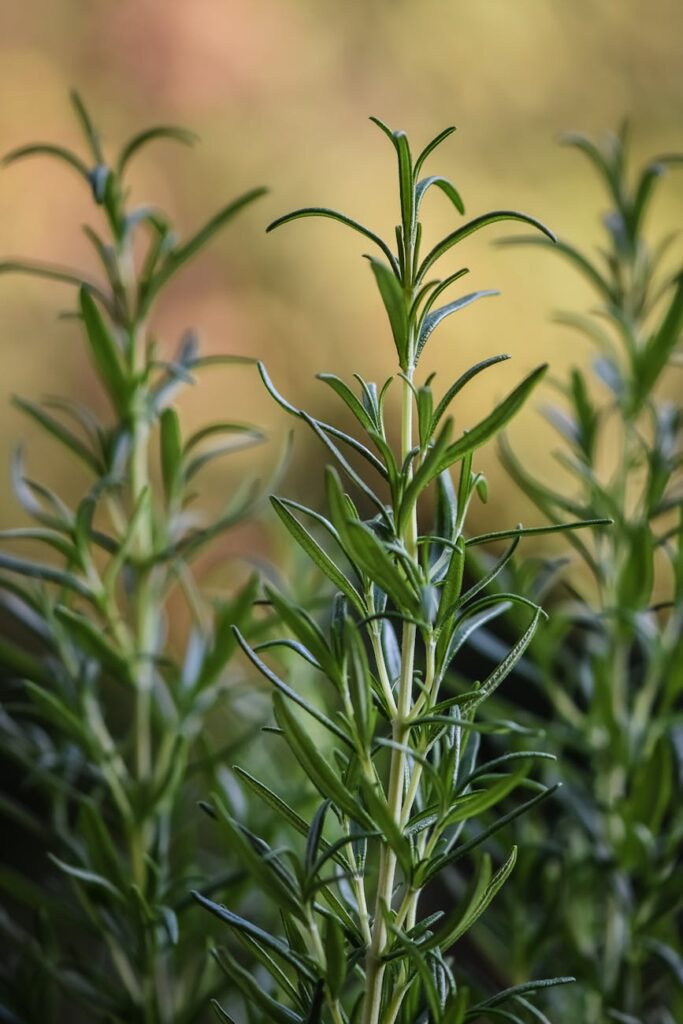
4. Savory Dishes: Hydrosols can elevate savory dishes by adding aromatic components. A touch of rosemary or thyme hydrosol can enhance roasted vegetables or stews.
5. Desserts: Hydrosols can be used in desserts to add floral or herbal notes. They can be incorporated into creams, mousses, or sorbets for a sophisticated flavor profile.
6. Garnishing: Culinary hydrosols can also be used as a finishing touch for dishes. A light mist of hydrosol can enhance the aroma and presentation of a plate.
Aromatherapy Applications
In addition to their culinary uses, hydrosols have applications in aromatherapy, where they can provide gentle therapeutic effects:
1. Misting: Hydrosols can be used as facial mists to hydrate and refresh the skin. Floral hydrosols, such as rose or chamomile, are particularly popular for their soothing properties.
2. Room Sprays: Hydrosols can be used as natural air fresheners. Spraying a room with citrus hydrosol can uplift the mood and create a refreshing atmosphere.
3. Bathing: Adding hydrosols to bath water can create a relaxing and aromatic experience. Lavender or ylang-ylang hydrosols can enhance the calming effects of a warm bath.
4. Massage: When diluted appropriately, hydrosols can be added to carrier oils for use in massages, providing both aromatic and skin-nourishing benefits.
Safety Considerations
While culinary hydrosols are generally safe for use, a few considerations should be kept in mind:
1. Quality Source: Always opt for high-quality, food-grade hydrosols from reputable sources. Contaminated or poorly produced hydrosols may pose health risks.
2. Dilution: Although hydrosols are milder than essential oils, they should still be used in moderation. It’s advisable to start with small amounts to gauge flavor intensity.
3. Allergies and Sensitivities: Individuals with allergies or sensitivities to specific plants should exercise caution. Conduct a patch test on the skin for topical applications or start with a small quantity in food.
4. Consult Experts: If unsure about the use of a specific hydrosol, consulting with culinary experts or herbalists can provide valuable insights.
Storage and Shelf Life
To maintain the quality of culinary hydrosols, proper storage is essential:
1. Cool, Dark Environment: Store hydrosols in a cool, dark place, such as a pantry or refrigerator, to prevent degradation from heat and light.
2. Seal Tightly: Keep hydrosols in tightly sealed containers to minimize exposure to air, which can lead to oxidation.
3. Shelf Life: Most culinary hydrosols have a shelf life of 1–3 years, but this may vary depending on the plant source and storage conditions. Always check for signs of spoilage, such as changes in color or odor.
Frequently Asked Questions
1. Can I use culinary hydrosols in cooking every day?
Yes, culinary hydrosols can be used regularly to enhance flavor profiles in various dishes. However, moderation is key, as some hydrosols can be quite potent.
2. Are there any hydrosols that are not safe for culinary use?
Some hydrosols are specifically intended for cosmetic or therapeutic uses and may not be suitable for culinary applications. Always check the labeling and ensure that the hydrosol is food-grade.
3. How can I incorporate hydrosols into my daily routine?
You can add hydrosols to beverages, use them in salad dressings, or incorporate them into your baking. Experimentation is encouraged to discover your preferred combinations.
4. Can hydrosols be used for preserving food?
While hydrosols can add flavor, they do not have preservative properties like vinegar or salt. They are best used for enhancing taste rather than preservation.
5. Are there any specific hydrosols recommended for beginners?
Lavender, rose, and citrus hydrosols are often recommended for beginners due to their familiar scents and versatile culinary applications.
Conclusion
Culinary hydrosols offer an exciting and aromatic avenue for enhancing flavors in the kitchen. Their unique properties, combined with a rich history of use, make them an invaluable addition to both culinary and aromatic practices. By understanding their benefits, applications, and safety considerations, you can fully embrace the potential of culinary hydrosols in your culinary adventures. Whether you are a seasoned chef or a curious home cook, hydrosols invite creativity and exploration into the world of flavor.