
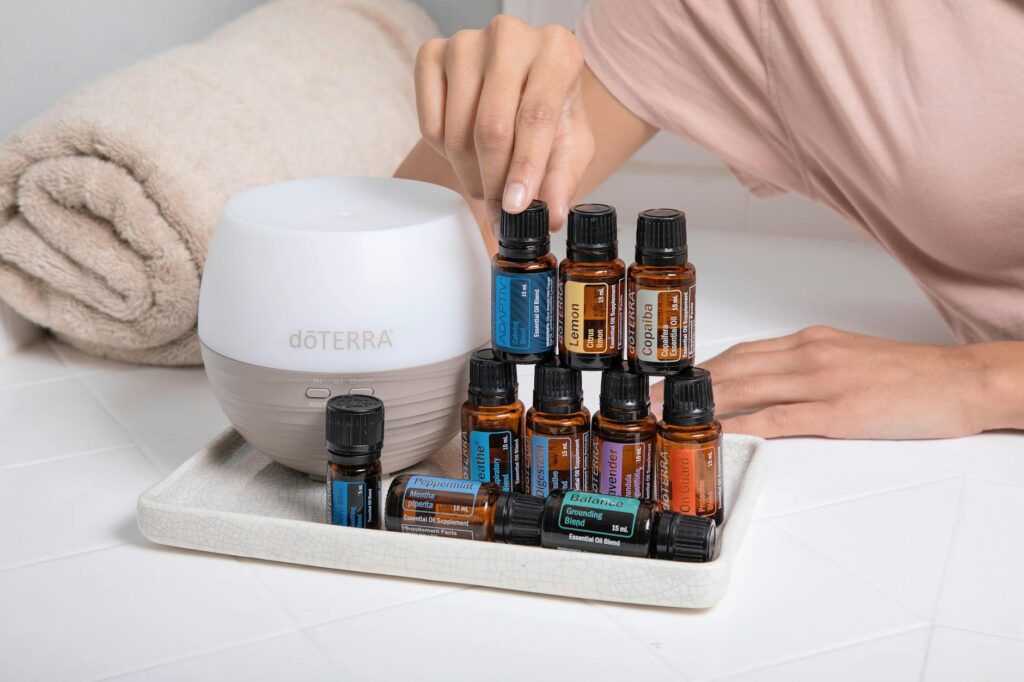
How to Use Diffuser Blends
Introduction
Aromatherapy has gained immense popularity in recent years as individuals seek natural methods to enhance their well-being and create inviting atmospheres in their homes. One of the most effective and enjoyable ways to experience the benefits of essential oils is through the use of diffuser blends. This article aims to provide a comprehensive understanding of diffuser blends, their benefits, applications, and practical considerations for use.
What Are Diffuser Blends?
Diffuser blends are combinations of essential oils specifically formulated to be used in diffusers. A diffuser is a device that disperses essential oils into the air, allowing the aromatic compounds to be inhaled. These blends can be created using various essential oils, each with its unique fragrance and therapeutic properties. While some blends might be pre-made and available for purchase, many enthusiasts enjoy creating their own combinations tailored to their preferences and needs.
Key Benefits and Properties
The use of diffuser blends can offer various benefits, including:
1. Mood Enhancement
Certain essential oils can uplift or calm the mind. For instance, citrus oils like lemon and orange are known for their uplifting properties, while lavender is often associated with relaxation.
2. Air Purification
Some essential oils possess antimicrobial and antibacterial properties, which can help purify the air. Oils such as tea tree and eucalyptus are commonly used for this purpose.
3. Stress Relief
Aromatherapy is frequently employed to promote stress relief and relaxation. Blends that include oils like chamomile or bergamot can help create a serene environment.
4. Sleep Support
Certain diffuser blends can aid in promoting restful sleep. Oils like lavender, cedarwood, and valerian are popular choices that may help prepare the body for sleep.
5. Focus and Clarity
Blends that incorporate peppermint or rosemary can help stimulate mental clarity and enhance focus, making them ideal for study or work environments.
Common Uses
Diffuser blends can serve various purposes, and their applications are nearly limitless. Here are some common uses:
1. Creating a Calm Environment
A blend of lavender and chamomile can help set a tranquil mood, perfect for unwinding after a long day.
2. Boosting Energy
A blend of citrus oils, such as grapefruit and sweet orange, can invigorate the senses and create an energizing atmosphere.
3. Facilitating Concentration
For study sessions or work tasks, a blend of peppermint and rosemary can enhance focus and clarity.
4. Seasonal Support
Many individuals use specific blends to alleviate seasonal discomfort. For example, a combination of eucalyptus and peppermint can provide a refreshing scent during the winter months.
5. Enhancing Social Gatherings
Blends that feature warm and inviting scents, such as cinnamon and clove, can create a welcoming atmosphere for social gatherings.
Aromatherapy Applications
The applications of diffuser blends in aromatherapy are vast and diverse. Here are some common methods of use:
1. Home Environment
Using a diffuser in living spaces can help create a desired ambiance, whether it’s for relaxation, focus, or social gatherings.
2. Workspaces
Diffusing essential oils in a workplace can help enhance productivity and reduce stress levels, fostering a more pleasant working environment.
3. Yoga and Meditation
Incorporating diffuser blends during yoga or meditation practices can deepen relaxation and enhance mindfulness.
4. Spa Experiences
Many spas and wellness centers utilize diffuser blends to create a soothing atmosphere for treatments, promoting relaxation and rejuvenation.
5. Travel
Portable diffusers are an excellent option for on-the-go use, allowing travelers to enjoy familiar scents in new environments.
Safety Considerations
While diffuser blends are generally safe when used properly, it is essential to consider the following safety guidelines:
1. Dilution
Always follow recommended dilution guidelines when using essential oils. While diffusing typically doesn’t require dilution, using undiluted oils directly on the skin or in the air can be irritating.
2. Quality of Essential Oils
Opt for high-quality, pure essential oils from reputable sources. Synthetic fragrances may not provide the same benefits and can even be harmful.
3. Room Size
Ensure that the size of the room is appropriate for the type of diffuser being used. Over-diffusing in small spaces can lead to overwhelming scents.
4. Sensitivity
Individuals with sensitivities or allergies should approach new blends with caution. It may be wise to perform a patch test or start with low concentrations.
5. Children and Pets
Some essential oils are not suitable for children or pets. Always check guidelines and consult with knowledgeable sources before using specific oils around these groups.
Storage and Shelf Life
The proper storage of essential oils and diffuser blends is crucial to maintaining their potency and effectiveness. Here are some tips:
1. Storage Conditions
Essential oils should be stored in a cool, dark place, away from sunlight and heat, which can degrade their quality.
2. Containers
Use dark glass containers for storage, as these protect the oils from light exposure. Avoid plastic containers, as they can interact negatively with essential oil compounds.
3. Shelf Life
The shelf life of essential oils varies depending on the type. Generally, citrus oils have a shorter shelf life (1-2 years), while oils like patchouli and sandalwood can last up to 5 years or more. It is advisable to keep track of the purchase date and regularly assess the oils’ scent and consistency.
Frequently Asked Questions
1. How many drops of essential oil should I use in a diffuser?
Typically, 5-10 drops of essential oil per 100 ml of water is recommended, but this may vary depending on the diffuser and personal preference.
2. Can I mix different essential oils in a diffuser?
Yes, blending different essential oils can create unique scents and synergistic effects. Experimentation can lead to delightful combinations.
3. How long can I run my diffuser?
Most diffusers can run for several hours continuously. However, it is advisable to follow the manufacturer’s recommendations regarding running times.
4. Can I use diffuser blends for skin applications?
Diffuser blends are generally not intended for topical use. Always consult guidelines for specific essential oils and their recommended applications.
5. Are there any oils I should avoid?
Certain oils may be irritating or unsuitable for specific populations, such as those who are pregnant, nursing, or have certain health conditions. It is essential to do thorough research or consult with an expert.
Conclusion
Diffuser blends offer a versatile and enjoyable way to experience the benefits of essential oils. From enhancing mood to creating a calming environment, these blends can significantly contribute to overall well-being. By understanding their properties, safe usage, and applications, individuals can fully appreciate the art and science of aromatherapy in their daily lives. Whether for personal enjoyment or enhancing social gatherings, the thoughtful use of diffuser blends can create an inviting atmosphere for all.