
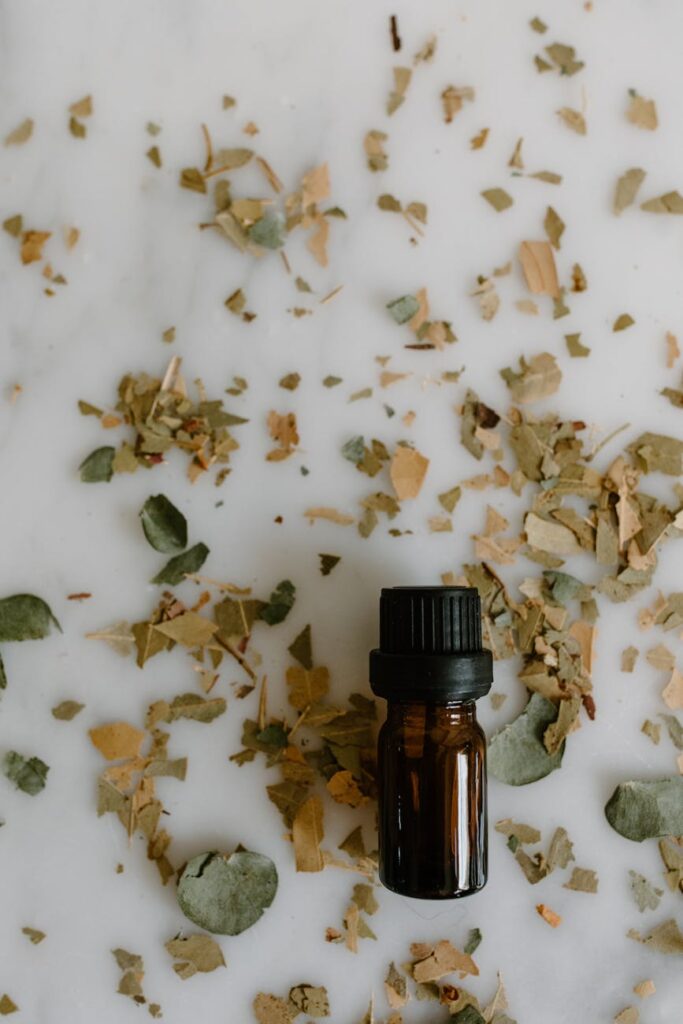
How to Use DIY Aromatherapy Recipes for Balancing Hormones with Essential Oils
Introduction
Aromatherapy, the practice of using essential oils for therapeutic benefits, has gained significant popularity in recent years. Particularly in the realm of hormonal balance, essential oils offer a natural alternative to support the body’s intricate systems. This article will explore how to create DIY aromatherapy recipes aimed at balancing hormones, highlighting the benefits and properties of specific essential oils, common uses, applications, safety considerations, and storage tips.
What Is DIY Aromatherapy Recipes for Balancing Hormones with Essential Oils?
DIY aromatherapy recipes for balancing hormones involve the meticulous blending of essential oils and carrier oils to create custom formulations. These blends are designed to support hormonal health through various methods, including inhalation, topical application, and diffusion. Essential oils can be derived from plants, flowers, leaves, and fruits, each possessing unique properties that can influence emotional and physical well-being.
Hormonal balance is essential for overall health, affecting everything from mood and energy levels to reproductive health. By integrating the principles of aromatherapy, individuals can craft personalized solutions tailored to their specific needs.
Key Benefits and Properties
The benefits of using essential oils for hormonal balance can be attributed to their diverse properties. Below are some essential oils commonly used for this purpose, along with their key benefits:
1. Clary Sage: Known for its ability to ease menstrual discomfort, clary sage is often used to alleviate symptoms associated with premenstrual syndrome (PMS). It is believed to have estrogen-like effects, making it beneficial for women experiencing hormonal fluctuations.
2. Lavender: Renowned for its calming properties, lavender can help reduce stress and anxiety, which can significantly impact hormonal balance. Its soothing scent promotes relaxation and may aid sleep, which is crucial for hormonal regulation.
3. Geranium: This oil is praised for its potential to balance estrogen levels and alleviate mood swings. Geranium oil is often incorporated into blends aimed at enhancing emotional stability.
4. Peppermint: While primarily known for its invigorating scent, peppermint oil can also regulate hormonal levels and stimulate circulation, benefiting overall well-being.
5. Ylang Ylang: This exotic oil is often used to reduce stress and anxiety, promoting a sense of tranquility. It is believed to help balance hormones, particularly in women.
6. Frankincense: Often referred to as a “sacred oil,” frankincense is known for its potential to support the endocrine system, which plays a pivotal role in hormone production and regulation.
Common Uses
DIY aromatherapy recipes can be tailored for various situations involving hormonal imbalance. Some common uses include:
- Menstrual Support: Essential oil blends can be used to relieve cramps, headaches, and mood swings associated with menstruation.
- Stress Relief: Since stress can negatively impact hormone levels, calming blends can help alleviate anxiety and promote relaxation.
- Fertility Support: Some essential oils are believed to support reproductive health and enhance fertility, making them popular among those trying to conceive.
- Menopause Relief: Blends aimed at alleviating symptoms associated with menopause, such as hot flashes and mood swings, are particularly beneficial.
- Dilution: Always dilute essential oils with a carrier oil before topical application to prevent skin irritation.
- Patch Test: Conduct a patch test on a small area of skin to check for any adverse reactions before widespread use.
- Consultation: If you are pregnant, nursing, or have a medical condition, consult a healthcare professional before using essential oils.
- Quality Matters: Choose high-quality essential oils from reputable sources to ensure purity and efficacy.
- Cool, Dark Place: Store essential oils in a cool, dark place away from direct sunlight and heat.
- Tightly Sealed: Ensure that bottles are tightly sealed to prevent oxidation and evaporation.
- Shelf Life: While many essential oils can last several years, their potency may diminish over time. Citrus oils typically have a shorter shelf life, around 1-2 years, while oils like patchouli and sandalwood can last longer.
Aromatherapy Applications
There are several methods to apply essential oils for hormonal balance:
1. Diffusion
Diffusing essential oils allows for the aromatic benefits to fill a space, promoting a calming atmosphere. To create a hormone-balancing blend, consider combining clary sage, lavender, and geranium in a diffuser. Start with 3-5 drops of each oil, adjusting according to personal preference.
2. Topical Application
Diluting essential oils in a carrier oil (such as jojoba, coconut, or almond oil) is an effective method for topical application. A common ratio is 2-3 drops of essential oil per teaspoon of carrier oil. Massage the blend into pulse points, such as wrists, neck, or the abdomen, to enhance absorption.
3. Bathing
Adding essential oils to a warm bath can be a luxurious way to unwind while benefiting from their properties. Combine 5-10 drops of essential oil with a carrier oil or Epsom salt to facilitate even distribution in the water.
4. Inhalation
For immediate stress relief, inhaling essential oils directly can provide quick benefits. Place 1-2 drops of oil on a tissue or cotton ball and inhale deeply. Oils like lavender and ylang ylang are particularly effective for this purpose.
5. Massage
Incorporating essential oils into a massage can enhance relaxation and promote hormonal balance. Use a blend of calming oils, such as lavender and frankincense, in a carrier oil for a soothing massage experience.
Safety Considerations
While essential oils can offer numerous benefits, it is crucial to follow safety guidelines:
Storage and Shelf Life
To maximize the shelf life of essential oils, proper storage is essential:
Frequently Asked Questions
1. Can essential oils really help balance hormones?
While many users report positive experiences with essential oils, scientific evidence is still evolving. Aromatherapy can support overall well-being and emotional balance, which may indirectly influence hormonal health.
2. How often can I use these recipes?
The frequency of use varies depending on individual preference and sensitivity. It is generally safe to use diluted essential oils daily, but pay attention to your body’s reactions.
3. Are there any essential oils I should avoid?
Certain oils, such as sage and rosemary, may not be suitable for pregnant or breastfeeding women. Always research specific oils and consult with a healthcare professional if needed.
4. Can I combine different essential oils?
Yes, combining different essential oils can create synergistic effects, enhancing their benefits. Experiment with different ratios to find a blend that resonates with you.
5. How can I learn more about essential oils?
Many resources, including books, online courses, and workshops, can provide in-depth knowledge about essential oils and their uses. Consider exploring reputable sources or joining an aromatherapy community to expand your understanding.
Conclusion
DIY aromatherapy recipes for balancing hormones with essential oils offer a holistic approach to well-being. By understanding the properties and applications of various essential oils, individuals can create personalized blends that cater to their specific hormonal needs. Remember to prioritize safety and storage to ensure the longevity and efficacy of your essential oils. With the right knowledge and creativity, aromatherapy can become a valuable tool in your wellness toolkit.