
How to Use DIY Aromatherapy Recipes for Digestive Support
Introduction
Aromatherapy, the practice of using essential oils extracted from plants for therapeutic purposes, has gained popularity in recent years for its myriad benefits. Among these benefits, digestive support is particularly noteworthy. Many individuals seek natural alternatives to promote digestive health, and DIY aromatherapy recipes can be an accessible and enjoyable way to explore this option. This article will delve into the concept of DIY aromatherapy for digestive support, covering its benefits, common uses, and practical applications.
What Is DIY Aromatherapy Recipes for Digestive Support?
DIY aromatherapy recipes for digestive support involve the use of essential oils in various formulations designed to aid digestive health. These oils can be inhaled, diluted for topical application, or used in the creation of blends intended for specific digestive concerns. Common essential oils utilized for this purpose include peppermint, ginger, and lemon, each known for their unique properties that may assist with digestive issues.
Creating your own aromatherapy blends allows for customization according to individual preferences and needs. By understanding the properties of different essential oils, one can create unique recipes that cater to specific digestive challenges.
Key Benefits and Properties
Essential oils possess various properties that may support digestive health. Here are some key benefits associated with commonly used essential oils:
1. Peppermint (Mentha piperita): Known for its refreshing scent, peppermint oil is often used to relieve symptoms of bloating and discomfort. It may help relax the muscles of the gastrointestinal tract, potentially easing digestive spasms.
2. Ginger (Zingiber officinale): Ginger oil has a warm, spicy aroma and is traditionally used to combat nausea and support healthy digestion. It is believed to stimulate the digestive system and enhance the movement of food through the intestines.
3. Lemon (Citrus limon): Lemon oil is uplifting and refreshing. Its high acidity may promote the production of digestive juices, thereby aiding digestion. Additionally, lemon oil can help detoxify the body.
4. Fennel (Foeniculum vulgare): With its sweet, anise-like scent, fennel oil may help reduce bloating and gas. It is often used in digestive blends for its carminative properties, helping to soothe the digestive tract.
5. Lavender (Lavandula angustifolia): While primarily known for its calming effects, lavender oil can also assist with digestive issues related to stress, such as indigestion and upset stomach.
Common Uses
DIY aromatherapy recipes for digestive support can be employed in various ways, including:
- Inhalation: Diffusing essential oils or inhaling them directly can provide quick relief from digestive discomfort.
- Topical Application: When diluted with a carrier oil, certain essential oils can be massaged onto the abdomen to alleviate symptoms.
- Bath Soaks: Adding essential oils to bathwater can create a soothing experience that promotes relaxation and aids digestion.
- Gastronomic Delights: Some essential oils can be incorporated into food or beverages, enhancing flavor while potentially offering digestive benefits.
- 5 drops peppermint essential oil
- 3 drops ginger essential oil
- 2 tablespoons carrier oil (e.g., sweet almond, coconut oil)
- 4 drops lemon essential oil
- 3 drops fennel essential oil
- Water (as per diffuser instructions)
- 10 drops lavender essential oil
- 5 drops ginger essential oil
- 1 cup Epsom salt
- 1-2 drops ginger essential oil (ensure it is food-grade)
- 1 cup hot water
- Honey (optional)
- Dilution: Always dilute essential oils with a carrier oil before topical application to prevent skin irritation.
- Quality: Use high-quality, therapeutic-grade essential oils from reputable sources to ensure safety and efficacy.
- Sensitivity: Conduct a patch test before applying any new blend to the skin to check for allergies or sensitivities.
- Pregnancy and Nursing: Consult with a healthcare professional before using essential oils during pregnancy or while nursing.
- Children: Certain essential oils may not be suitable for young children. Always research and use caution.
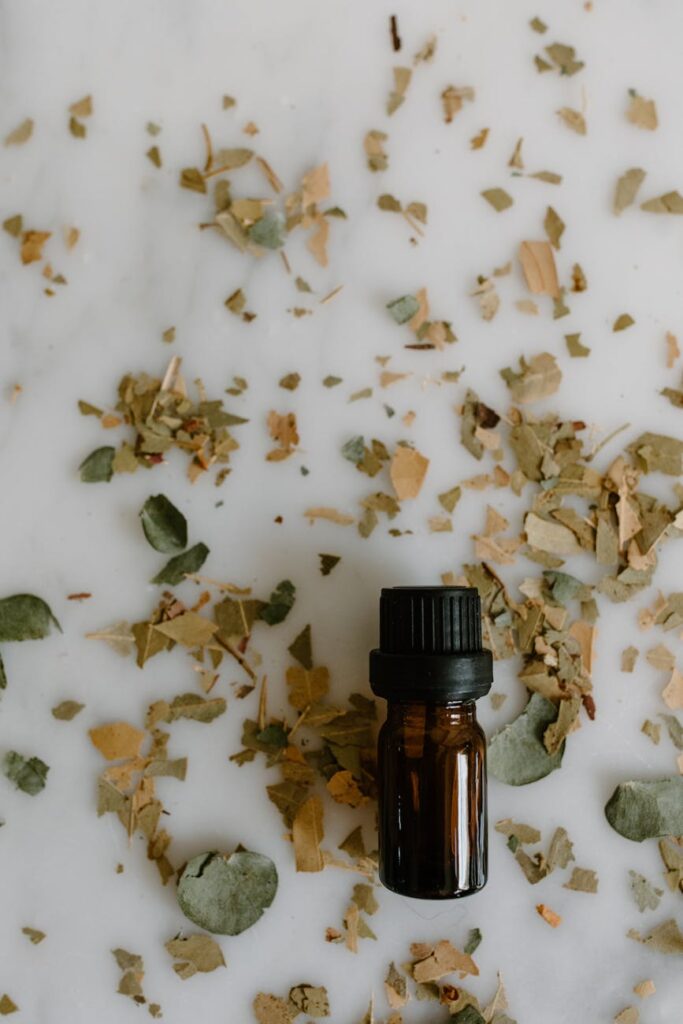
- Containers: Store essential oils in dark glass bottles to protect them from light and heat.
- Temperature: Keep oils in a cool, dry place, away from direct sunlight.
- Shelf Life: Most essential oils have a shelf life of 1-3 years, depending on the oil type. Citrus oils may have a shorter shelf life due to their volatile compounds.
Aromatherapy Applications
Here are several DIY recipes that can be easily prepared for digestive support:
1. Peppermint Digestive Blend
Ingredients:
Instructions:
1. In a small bowl, combine essential oils with the carrier oil.
2. Mix well and apply to the abdomen in a clockwise motion.
3. Use as needed for digestive discomfort.
2. Lemon and Fennel Diffuser Blend
Ingredients:
Instructions:
1. Add essential oils to the diffuser filled with water.
2. Turn on the diffuser to enjoy the uplifting scent while promoting digestive health.
3. Diffuse for 30-60 minutes at a time.
3. Soothing Lavender Bath
Ingredients:
Instructions:
1. Combine essential oils with Epsom salt in a bowl.
2. Add the mixture to warm bathwater and soak for at least 20 minutes.
3. Relax and enjoy the soothing effects while enhancing digestive support.
4. Ginger Tea Infusion
Ingredients:
Instructions:
1. In a cup, add one to two drops of ginger essential oil to hot water.
2. Stir well and add honey if desired.
3. Enjoy as a warm beverage to support digestion.
Safety Considerations
While essential oils can offer benefits for digestive support, it is essential to use them safely:
Storage and Shelf Life
Proper storage is crucial for maintaining the integrity of essential oils:
Frequently Asked Questions
1. Can I use essential oils internally?
Some essential oils are safe for internal use, but it is vital to ensure they are labeled as food-grade and to consult a knowledgeable source before ingestion.
2. How often can I use these recipes?
Frequency varies by individual needs. It is generally advisable to start with small amounts and assess how your body responds before increasing use.
3. Can I use these recipes for children?
Certain essential oils may not be safe for children. Always consult a healthcare professional or a certified aromatherapist before using essential oils with children.
4. Are there any oils I should avoid?
Some essential oils, such as wintergreen and certain citrus oils, can cause photosensitivity or interact with medications. Always do your research and consult professionals when in doubt.
5. What if I experience an adverse reaction?
If irritation, allergic reactions, or other adverse effects occur, discontinue use immediately and consult a healthcare professional if necessary.
Conclusion
DIY aromatherapy recipes for digestive support offer a natural approach to promoting digestive health. By understanding the properties and potential benefits of essential oils, individuals can customize their own blends for personal use. While these recipes can be a delightful addition to one’s wellness routine, it is essential to prioritize safety and proper usage. As always, exploring new practices should be approached with mindfulness and respect for the body’s natural processes.