
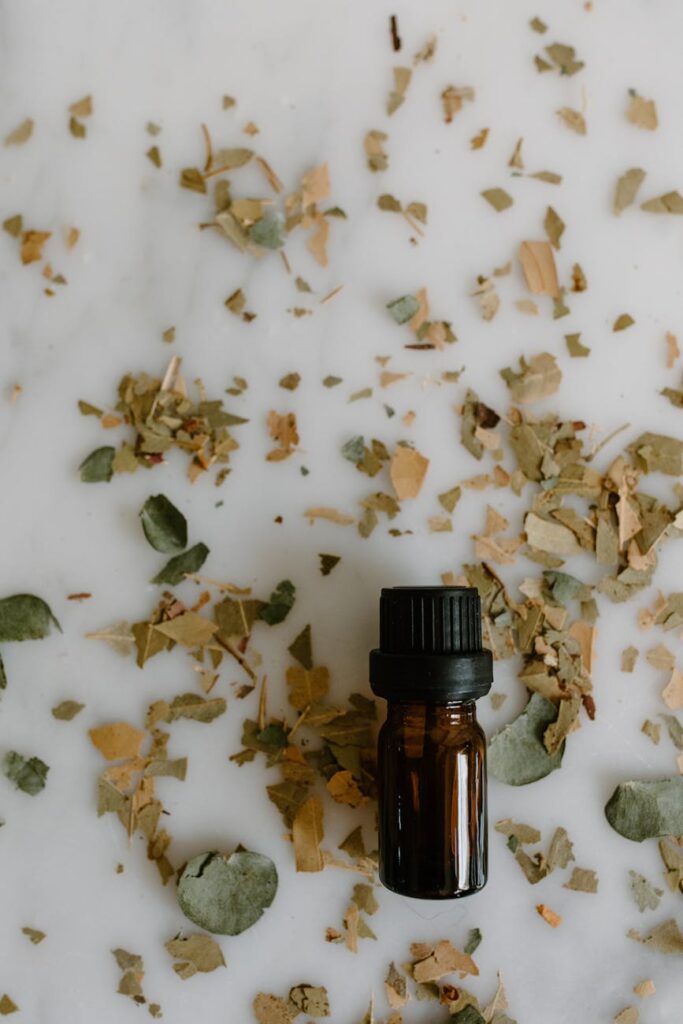
How to Use DIY Aromatherapy Recipes for Emotional Balance
Introduction
Aromatherapy is an ancient practice that utilizes the natural properties of essential oils to promote physical, emotional, and mental well-being. In recent years, the focus on emotional balance has gained traction, as individuals seek holistic methods to manage stress, anxiety, and mood fluctuations. DIY aromatherapy recipes offer a personalized approach, allowing enthusiasts to create blends tailored to their unique emotional needs. This article explores how to use these recipes effectively for emotional balance, providing insights into their benefits, applications, and safety considerations.
What Is DIY Aromatherapy Recipes for Emotional Balance?
DIY aromatherapy recipes involve the combination of essential oils and carrier oils to create personalized blends aimed at enhancing emotional wellness. Essential oils are extracted from various parts of plants, including leaves, flowers, stems, and roots, capturing their unique fragrances and therapeutic properties. By blending these oils, individuals can create products that cater specifically to their emotional states, whether it be for relaxation, upliftment, or grounding.
Creating DIY recipes allows for experimentation and customization. Each essential oil carries distinct properties that can influence emotions and mental states, making it possible to craft unique formulations that resonate with personal experiences and preferences.
Key Benefits and Properties
The use of essential oils in aromatherapy for emotional balance presents several key benefits:
1. Stress Reduction: Many essential oils, such as lavender and chamomile, are known for their calming effects, which can help reduce the body’s stress response.
2. Mood Enhancement: Citrus oils like bergamot and sweet orange can uplift spirits and promote a sense of joy and positivity.
3. Emotional Release: Certain oils, including frankincense and ylang-ylang, are believed to facilitate emotional release, providing comfort during challenging times.
4. Grounding: Oils such as vetiver and cedarwood can promote feelings of stability and grounding, helping individuals feel centered amidst life’s chaos.
5. Sleep Support: Essential oils like lavender and sandalwood can improve sleep quality, leading to better emotional regulation during waking hours.
Understanding the properties of various essential oils is essential for creating effective blends that target specific emotional needs.
Common Uses
DIY aromatherapy recipes can be utilized in various ways, depending on individual preferences and intended effects. Here are some common applications:
1. Diffusion: Using an essential oil diffuser, individuals can disperse aromatic molecules in the air, creating a calming or uplifting environment.
2. Topical Application: Diluted essential oils can be applied to pulse points, such as wrists and temples, to experience their benefits throughout the day.
3. Bath Soaks: Adding essential oils to bathwater can create a soothing atmosphere, promoting relaxation and emotional release.
4. Inhalation: Direct inhalation of essential oils from the bottle or a cotton ball can provide immediate emotional support.
5. Massage Oils: Blending essential oils with carrier oils for massage can enhance relaxation and emotional release through touch.
Aromatherapy Applications
When crafting DIY recipes for emotional balance, consider the following popular essential oils and their applications:
Calming Blends
- Lavender: Known for its calming properties, lavender is excellent for reducing anxiety and promoting relaxation. A simple recipe includes mixing 5 drops of lavender oil with a carrier oil, such as sweet almond oil, for topical use.
- Bergamot: This citrus oil is uplifting and can help alleviate feelings of sadness. Combine 4 drops of bergamot with 2 drops of lavender and 2 tablespoons of carrier oil for a mood-enhancing massage blend.
- Sweet Orange: Renowned for its cheerful scent, sweet orange can elevate mood. A blend of 5 drops of sweet orange oil and 3 drops of lemon oil in a diffuser can create a refreshing and uplifting atmosphere.
- Peppermint: This invigorating oil can stimulate the mind and promote clarity. Mix 3 drops of peppermint oil with 2 drops of rosemary oil and diffuse to enhance focus.
- Cedarwood: Known for its grounding properties, cedarwood can help individuals feel more centered. Combine 4 drops of cedarwood oil with 3 drops of frankincense oil in a diffuser for a calming, earthy experience.
- Vetiver: Often referred to as the “oil of tranquility,” vetiver can provide a sense of grounding. Blend 2 drops of vetiver oil with 2 drops of lavender oil and 2 tablespoons of carrier oil for a soothing massage oil.
Uplifting Blends
Grounding Blends
Safety Considerations
While DIY aromatherapy can be beneficial, certain safety considerations should be observed:
1. Dilution: Always dilute essential oils with a carrier oil before applying them to the skin to prevent irritation. A general guideline is to use a 2% dilution, which is about 12 drops of essential oil per ounce (30 ml) of carrier oil.
2. Sensitivity Testing: Conduct a patch test prior to widespread application to check for any adverse reactions. Apply a small amount of the diluted blend to a patch of skin and observe for 24 hours.
3. Pregnancy and Health Conditions: Certain essential oils may not be suitable for pregnant individuals or those with specific health conditions. Research and consult reputable sources before use.
4. Children and Pets: Essential oils should be used with caution around children and pets, as some oils can be harmful. Always consult appropriate guidelines before use.
Storage and Shelf Life
Proper storage of essential oils is vital for maintaining their potency and extending shelf life. Here are some tips:
1. Dark Glass Containers: Store essential oils in dark glass bottles to protect them from light, which can degrade their quality.
2. Cool Environment: Keep oils in a cool, dry place away from direct sunlight and heat sources.
3. Seal Tightly: Ensure that lids are tightly sealed to prevent evaporation and contamination.
4. Shelf Life: While essential oils can last for several years, their potency may diminish over time. Most oils have a shelf life of 1–3 years, depending on the type. Citrus oils tend to have a shorter shelf life, while oils like sandalwood and patchouli may last longer.
Frequently Asked Questions
Can I use essential oils directly on my skin?
No, essential oils should always be diluted with a carrier oil before topical application to avoid irritation.
How many drops of essential oil should I use in a diffuser?
Typically, 5–10 drops of essential oil in a diffuser is sufficient, but this can vary based on the diffuser’s size and the intensity of the desired aroma.
Are there any essential oils to avoid during pregnancy?
Yes, certain essential oils, such as rosemary, sage, and clary sage, should be avoided during pregnancy. Always consult reputable sources or professionals.
How often can I use DIY aromatherapy recipes?
There is no strict limit, but it is advisable to use essential oils mindfully, listening to your body’s responses and allowing for breaks as needed.
Can essential oils replace traditional therapies?
While essential oils can complement emotional well-being, they should not replace conventional therapies or medical advice. Always consider a holistic approach to mental health.
Conclusion
DIY aromatherapy recipes present an accessible and personalized way to cultivate emotional balance. By understanding the properties of essential oils and their applications, individuals can create tailored blends that foster emotional wellness. As with any holistic practice, being mindful of safety considerations and storage practices is essential. Through exploration and creativity, the art of DIY aromatherapy can enhance emotional health, providing a fragrant journey toward balance and tranquility.