
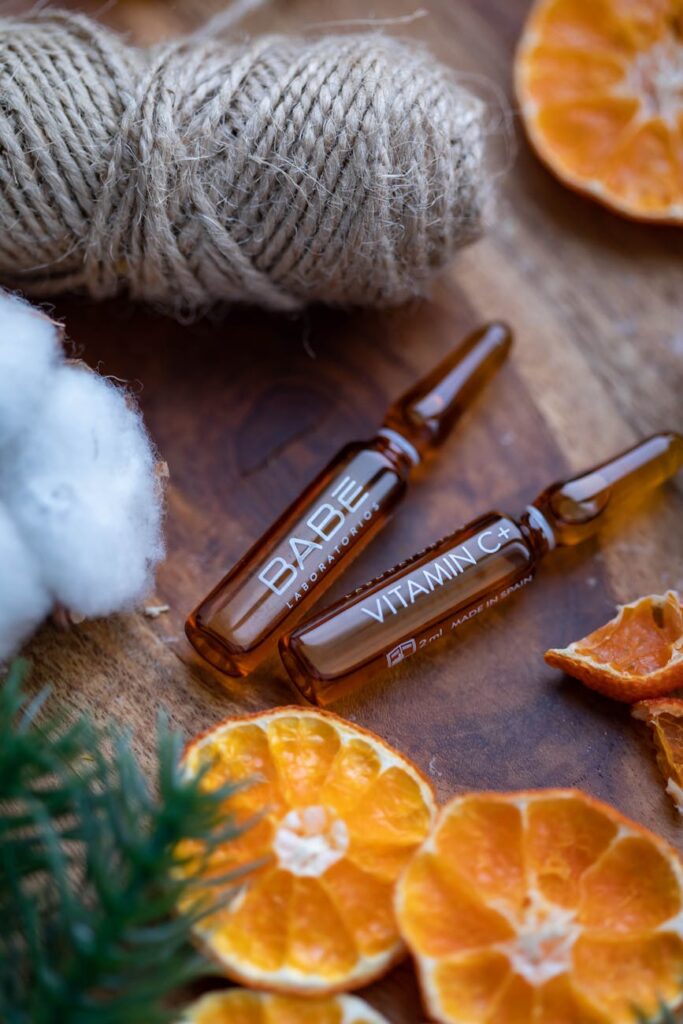
How to Use DIY Aromatherapy Recipes for Immune Support
Introduction
The human immune system is an intricate network designed to defend against pathogens and diseases. While nutrition and exercise play essential roles in maintaining a robust immune response, many individuals are turning to complementary therapies, such as aromatherapy, to bolster their overall well-being. Using essential oils as part of a holistic approach can enhance the immune system’s functionality. This article explores how to create DIY aromatherapy recipes specifically geared toward immune support, focusing on the benefits, applications, and safety considerations involved.
What Is DIY Aromatherapy Recipes for Immune Support?
DIY aromatherapy recipes for immune support involve the use of essential oils derived from plants, which are believed to possess various therapeutic properties. These recipes are designed to be simple and accessible, allowing individuals to create their blends at home. Essential oils can be inhaled, applied topically, or used in diffusers to promote emotional and physical well-being.
The primary purpose of these DIY recipes is to harness the natural properties of specific essential oils that are reputed to enhance immune function, reduce stress, and create a healthier living environment.
Key Benefits and Properties
Immune-Boosting Properties
Certain essential oils are thought to possess antimicrobial, antiviral, and antifungal properties. For instance, oils like tea tree, eucalyptus, and lemon are often cited for their potential to combat pathogens and bolster the immune system.
Stress Reduction
Stress can have a detrimental effect on immune function. Essential oils such as lavender and chamomile are known for their calming properties, which can help reduce stress and promote relaxation, ultimately supporting immune health.
Respiratory Support
Some essential oils, like peppermint and eucalyptus, may aid in respiratory function. They can help clear the airways and support the body during cold and flu seasons.
Mood Enhancement
The uplifting scents of citrus oils like orange and bergamot can elevate mood and contribute to emotional well-being, making it easier to cope with stressors that may impact immune health.
Common Uses
Diffusion
Using a diffuser to disperse essential oils into the air is one of the most popular methods of aromatherapy. The inhalation of these oils can provide immediate benefits, creating a refreshing and invigorating environment.
Topical Application
Diluting essential oils in a carrier oil (such as coconut or jojoba oil) allows for safe topical application. This method can be particularly effective for localized benefits, such as chest rubs for respiratory support.
Bath Soaks
Adding essential oils to a warm bath can provide both physical and emotional relief. The warmth of the water helps to open pores and enhance absorption while creating a soothing experience.
Household Cleaning
Incorporating essential oils into household cleaning products not only helps purify the home environment but can also contribute to an overall sense of wellness. Oils like tea tree and lemon possess natural antibacterial properties.
Aromatherapy Applications
DIY Aromatherapy Recipes
1. Immune Support Diffuser Blend
- 5 drops of tea tree oil
- 3 drops of eucalyptus oil
- 2 drops of lemon oil
- Combine all ingredients in a diffuser with water according to the manufacturer’s instructions.
- 2 tablespoons of carrier oil (e.g., coconut oil)
- 5 drops of lavender oil
- 3 drops of frankincense oil
- Mix well and apply to pulse points or the chest area.
- 1 cup of Epsom salt
- 10 drops of peppermint oil
- 10 drops of eucalyptus oil
- Combine and add to a warm bath for respiratory support and relaxation.
- 1 cup of vinegar
- 10 drops of lemon oil
- 10 drops of tea tree oil
- Mix in a spray bottle and use for cleaning surfaces.
- Keep Away from Light: Store essential oils in dark-colored glass bottles to protect them from light, which can degrade the oils.
- Cool, Dry Place: Keep oils in a cool, dry environment, away from heat sources and humidity.
- Check Expiration Dates: While many essential oils have a long shelf life, it is advisable to check for expiration dates and use oils within their recommended time frames for best results.
2. Topical Immune Booster
3. Respiratory Relief Bath
4. Natural Household Cleaner
Safety Considerations
While essential oils are generally considered safe when used appropriately, it is crucial to adhere to certain safety guidelines:
1. Dilution: Always dilute essential oils with a carrier oil before applying them to the skin to prevent irritation.
2. Patch Test: Conduct a patch test by applying a small amount of diluted oil to a less sensitive area of skin to check for any adverse reactions.
3. Pregnancy and Nursing: Pregnant and nursing women should consult a healthcare professional before using essential oils.
4. Children and Pets: Certain essential oils may not be suitable for infants and young children, as well as pets. Research specific oils to ensure safety.
5. Quality of Oils: Source high-quality, pure essential oils from reputable suppliers to avoid synthetic additives and contaminants.
Storage and Shelf Life
Proper storage is essential for maintaining the integrity of essential oils. Here are some tips to ensure longevity:
Frequently Asked Questions
1. How often can I use essential oils for immune support?
Usage will depend on individual preferences and sensitivities. Many people find daily use beneficial; however, it is advisable to vary the oils used and take breaks to prevent desensitization.
2. Can essential oils replace conventional medicine?
While essential oils can complement a healthy lifestyle, they should not be seen as a replacement for conventional medical treatments. Always consult a healthcare professional for serious health concerns.
3. Are there any essential oils I should avoid?
Certain oils, such as wintergreen and clove, can be irritating to the skin and mucous membranes. Always research the specific oils you plan to use and consult guidelines for safe application.
4. Can I use essential oils if I have allergies?
Individuals with allergies should proceed with caution. It’s wise to consult with a healthcare professional and conduct patch tests, especially if you have known sensitivities.
5. How can I incorporate essential oils into my daily routine?
Consider adding essential oils to your morning routine by diffusing them while you prepare for the day or using them in skincare products. Additionally, you can create relaxing bedtime rituals with calming oils.
Conclusion
DIY aromatherapy recipes can be a delightful and beneficial way to support immune health. By harnessing the properties of essential oils, individuals can create an environment that not only uplifts the spirit but also potentially enhances overall well-being. Always prioritize safety and quality when working with essential oils, and enjoy the journey of discovering how these natural remedies can enrich your life.