
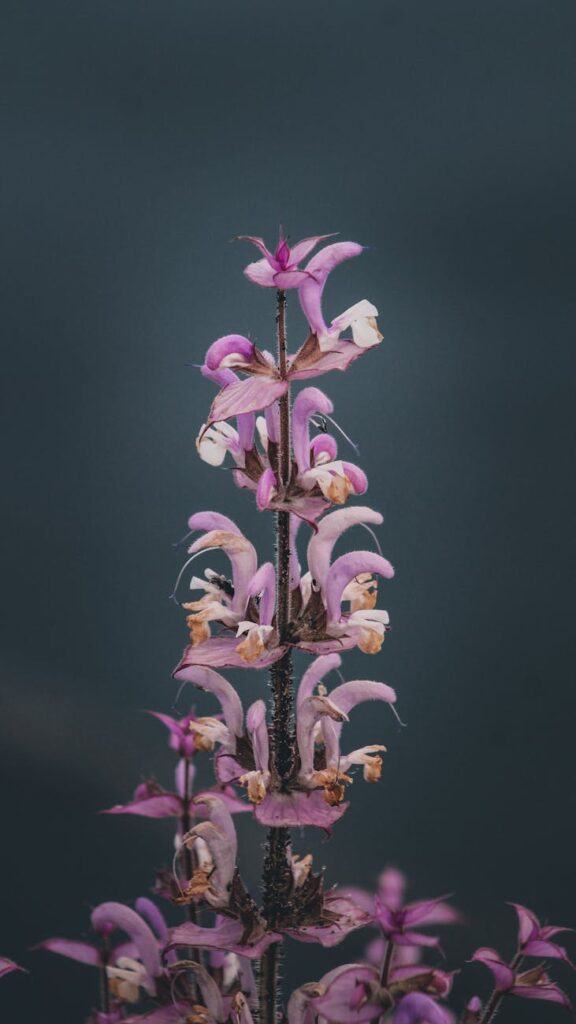
How to Use DIY Aromatherapy Recipes for Mood Support with Clary Sage Oil
Introduction
Aromatherapy has gained significant popularity as a holistic approach to enhance well-being, fostering emotional balance and mental clarity. Among the plethora of essential oils available, clary sage oil stands out for its unique properties that can support mood regulation. This article explores how to effectively use DIY aromatherapy recipes featuring clary sage oil for mood support, delving into its benefits, common uses, and safe application methods.
What Is DIY Aromatherapy Recipes for Mood Support with Clary Sage Oil?
DIY aromatherapy involves creating personalized blends of essential oils tailored to individual preferences and needs. Clary sage oil, derived from the leaves and flowering tops of the Salvia sclarea plant, is renowned for its calming and uplifting effects. When used in aromatherapy, clary sage can help promote emotional balance, alleviate stress, and foster a sense of tranquility.
In this article, we will explore various DIY recipes that incorporate clary sage oil, providing you with easy-to-follow guidelines to harness its mood-supportive properties effectively.
Key Benefits and Properties
Clary sage oil is celebrated for its numerous therapeutic benefits, particularly in the realm of emotional well-being. Some key properties include:
- Calming Effect: Clary sage oil is known to help reduce feelings of anxiety and tension, promoting relaxation and mental clarity.
- Mood Enhancement: Its uplifting scent can stimulate feelings of joy and contentment, making it an excellent choice for combating low moods.
- Hormonal Balance: Clary sage oil is often associated with hormonal regulation, which can influence mood stability, particularly in women.
- Antidepressant Qualities: Some studies suggest that clary sage oil may exhibit mild antidepressant effects, making it beneficial for those experiencing mood fluctuations.
- 1 cup distilled water
- 10 drops clary sage oil
- 5 drops lavender oil (optional for added relaxation)
- 1 tablespoon witch hazel or vodka (as an emulsifier)
- 5 drops clary sage oil
- 5 drops bergamot oil
- 1 cup Epsom salt
- 10 drops clary sage oil
- 5 drops peppermint oil
- Inhaler tube
- 2 tablespoons carrier oil (such as sweet almond or jojoba oil)
- 5 drops clary sage oil
- 5 drops sweet orange oil
- Cool, Dark Place: Store essential oils in a cool, dark environment to protect them from light and heat, which can degrade their quality.
- Glass Containers: Use dark glass containers for storage to minimize exposure to light.
- Expiration: Although essential oils can last for several years, they may lose potency over time. Generally, clary sage oil can last 3–5 years if stored properly.
Common Uses
Clary sage oil can be utilized in various ways to support mood enhancement and emotional stability. Here are some common applications:
1. Diffusion: Adding a few drops of clary sage oil to a diffuser can create a calming atmosphere in your home or workspace.
2. Topical Application: Diluted with a carrier oil, clary sage oil can be applied to pulse points for an immediate mood boost.
3. Bath Additive: Incorporating clary sage oil into a warm bath can create a soothing experience that promotes relaxation and stress relief.
4. Inhalation: Direct inhalation from the bottle or a tissue can provide an instant sense of calm during stressful moments.
Aromatherapy Applications
Creating your own DIY recipes with clary sage oil can be a fulfilling and personalized way to integrate its benefits into your daily routine. Below are several simple recipes to help you get started:
1. Calming Room Spray
Ingredients:
Instructions:
1. In a spray bottle, combine the distilled water, clary sage oil, and lavender oil.
2. Add witch hazel or vodka to help disperse the oils in water.
3. Shake well before each use and spray around your living space for a calming ambiance.
2. Mood-Boosting Bath Blend
Ingredients:
Instructions:
1. In a bowl, mix the Epsom salt with clary sage and bergamot oils.
2. Add the mixture to a warm bath and soak for at least 20 minutes to enjoy the mood-enhancing benefits.
3. Stress Relief Inhaler
Ingredients:
Instructions:
1. Add the essential oils to the inhaler tube.
2. Use as needed by inhaling deeply through the nose to help alleviate feelings of stress and anxiety.
4. Uplifting Massage Oil
Ingredients:
Instructions:
1. Combine the carrier oil with clary sage and sweet orange oils in a small bottle.
2. Apply to pulse points or use it for a gentle massage to enhance mood and relaxation.
Safety Considerations
While clary sage oil is generally considered safe for use, it is important to follow certain precautions:
1. Dilution: Always dilute clary sage oil with a carrier oil before applying it to the skin to avoid irritation.
2. Pregnancy: Pregnant individuals should consult a healthcare professional before using clary sage oil, as it may stimulate uterine contractions.
3. Allergies: Conduct a patch test before widespread use to ensure there are no allergic reactions.
4. Interactions: If taking medications, particularly those affecting hormones or mood, consult a healthcare professional to avoid potential interactions.
Storage and Shelf Life
Proper storage of clary sage oil is essential to maintain its potency and efficacy. Here are some tips:
Frequently Asked Questions
Can clary sage oil be used in cooking or food?
Clary sage oil is not typically recommended for culinary use due to its strong flavor and potential toxicity in large amounts. It is best used in aromatherapy and topical applications.
Is clary sage oil safe for children?
While clary sage oil can be used safely in small amounts for children over two years old, it is essential to dilute it adequately and consult with a knowledgeable professional for guidance.
How often can I use clary sage oil?
Clary sage oil can be used as needed; however, it is advisable to take breaks to prevent overexposure and ensure a balanced experience.
Can I combine clary sage oil with other essential oils?
Yes, clary sage oil blends well with various essential oils, including lavender, bergamot, and sweet orange. Experimenting with different combinations can create unique mood-enhancing aromas.
What should I do if I experience skin irritation?
If you experience any skin irritation or adverse reactions, discontinue use immediately. Rinse the affected area with a carrier oil, not water, and consult a professional if necessary.
Conclusion
Incorporating clary sage oil into your DIY aromatherapy recipes can be a delightful and effective way to support mood regulation and emotional wellness. With its calming and uplifting properties, clary sage oil offers a versatile tool for those seeking to enhance their mental and emotional landscape. Through careful formulation, safe practices, and a touch of creativity, you can craft personalized aromatherapy experiences that resonate with your unique needs.