
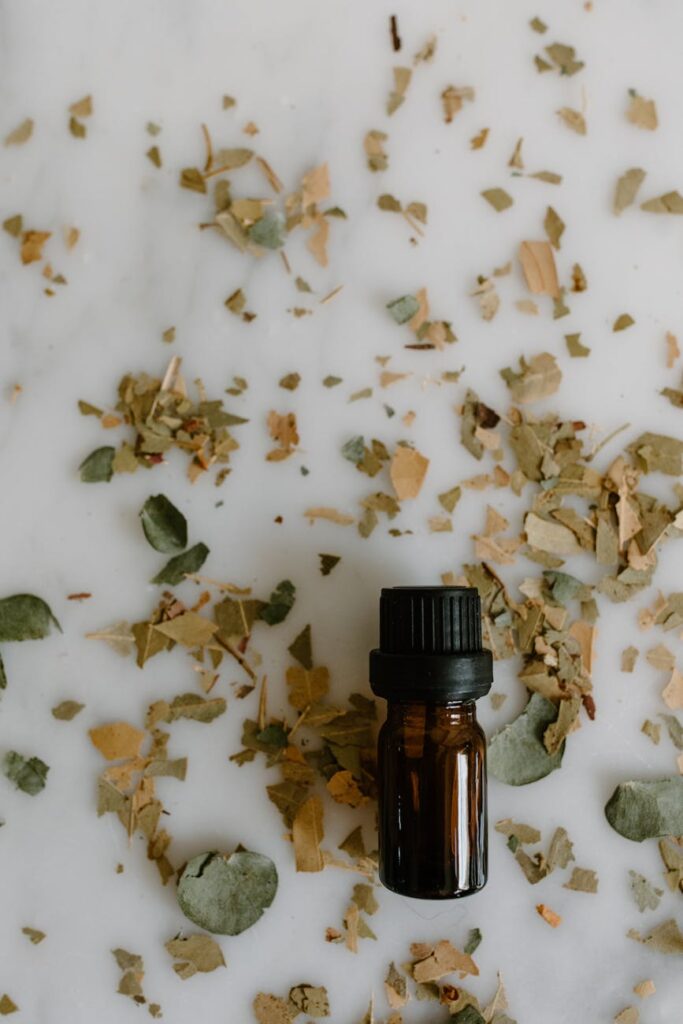
How to Use DIY Aromatherapy Recipes for Mood Support with Sandalwood Oil
Introduction
Aromatherapy is an ancient practice that harnesses the therapeutic properties of essential oils to enhance physical, emotional, and mental well-being. Among the various essential oils available, sandalwood oil stands out due to its rich history and profound effects on mood and emotional states. This article explores how to effectively use DIY aromatherapy recipes featuring sandalwood oil to support and uplift your mood.
What Is DIY Aromatherapy Recipes for Mood Support with Sandalwood Oil?
DIY aromatherapy recipes are simple formulations that individuals can create at home using essential oils and other natural ingredients. Sandalwood oil, derived from the wood of the Santalum album tree, is celebrated for its warm, woody aroma and calming properties. When used in aromatherapy, it can help promote mental clarity, relaxation, and emotional stability.
Creating your own recipes allows for personalization based on individual preferences and needs, making it a valuable tool for mood support.
Key Benefits and Properties
Sandalwood oil is renowned for various beneficial properties, particularly in the context of mood support:
1. Calming Effects: Sandalwood oil is known to have a soothing effect on the mind, helping to reduce anxiety and promote relaxation. Its aroma can create a serene environment conducive to meditation and mindfulness.
2. Emotional Balance: The oil is often used to help stabilize emotions and enhance feelings of tranquility. This makes it particularly useful during stressful times.
3. Mental Clarity: Sandalwood oil can help improve focus and concentration. Its grounding properties may aid in clearing mental fog, allowing for improved cognitive function.
4. Spiritual Connection: Traditionally, sandalwood has been used in spiritual practices. Its scent is believed to promote a deeper connection to oneself and the spiritual realm.
5. Anti-inflammatory Properties: While not directly related to mood, the oil’s anti-inflammatory properties can contribute to overall well-being, which can indirectly affect mood.
Common Uses
Sandalwood oil can be utilized in various ways to enhance mood and emotional health. Here are some common applications:
1. Diffusion: Sandalwood oil can be added to an essential oil diffuser to fill a room with its calming aroma, creating a tranquil atmosphere.
2. Topical Application: When diluted with a carrier oil, sandalwood oil can be applied to pulse points, such as wrists or temples, to promote relaxation throughout the day.
3. Bath Soaks: Adding sandalwood oil to a warm bath can enhance the experience, providing both relaxation and aromatic benefits.
4. Inhalation: Direct inhalation of sandalwood oil from the bottle or a personal inhaler can provide immediate mood support.
5. Massage: Blending sandalwood oil with a carrier oil for massage can offer both relaxation and skincare benefits.
Aromatherapy Applications
Incorporating sandalwood oil into your DIY aromatherapy recipes can be straightforward and enjoyable. Here are some effective applications:
1. Calming Diffuser Blend
Ingredients:
- 3 drops of sandalwood oil
- 2 drops of lavender oil
- 1 drop of bergamot oil
- 10 ml roller bottle
- 5 drops of sandalwood oil
- 5 drops of sweet orange oil
- Carrier oil (e.g., jojoba or fractionated coconut oil)
- 5 drops of sandalwood oil
- 1 cup of Epsom salt
- Optional: dried lavender flowers
- Aromatherapy inhaler
- 10 drops of sandalwood oil
- 5 drops of peppermint oil
- 30 ml carrier oil (e.g., almond or coconut oil)
- 10 drops of sandalwood oil
- 5 drops of chamomile oil
- Store in a cool, dark place away from heat and light.
- Keep the bottle tightly sealed when not in use.
- Avoid exposing the oil to air for extended periods.
Instructions:
Add the essential oils to your diffuser filled with water. Turn on the diffuser and enjoy the calming effects of the aroma.
2. Mood-Boosting Roll-On
Ingredients:
Instructions:
Fill the roller bottle with the carrier oil, then add the essential oils. Roll onto pulse points as needed for mood support.
3. Relaxing Bath Soak
Ingredients:
Instructions:
Combine the Epsom salt and sandalwood oil in a bowl. Add the dried lavender if desired. Pour the mixture into a warm bath and soak for at least 20 minutes.
4. Personal Inhaler
Ingredients:
Instructions:
Add the essential oils to the inhaler wick, insert it into the inhaler, and seal it. Inhale through one nostril and exhale through the mouth for instant mood support.
5. Calming Massage Oil
Ingredients:
Instructions:
Mix the essential oils with the carrier oil in a clean bottle. Use a small amount for a calming massage, focusing on areas of tension.
Safety Considerations
While sandalwood oil is generally regarded as safe for use, there are important safety considerations to keep in mind:
1. Dilution: Always dilute sandalwood oil with a carrier oil before applying it to the skin to prevent irritation.
2. Pregnancy and Breastfeeding: Consult a healthcare provider before using essential oils during pregnancy or breastfeeding.
3. Allergic Reactions: Conduct a patch test before using sandalwood oil topically to ensure no allergic reactions occur.
4. Quality of Oil: Use high-quality, pure essential oils from reputable sources to ensure safety and effectiveness.
5. Storage: Store essential oils in dark glass containers away from sunlight to prolong their shelf life.
Storage and Shelf Life
The shelf life of sandalwood oil can vary based on its quality and storage conditions. Generally, properly stored sandalwood oil can last anywhere from 2 to 5 years. To ensure longevity:
Frequently Asked Questions
1. Can sandalwood oil be used with other oils?
Yes, sandalwood oil blends well with many essential oils, including lavender, bergamot, and ylang-ylang. Experimenting with different combinations can enhance the aroma and therapeutic effects.
2. How often can I use sandalwood oil for mood support?
There is no strict guideline for frequency, but using sandalwood oil as needed for mood support—whether through diffusion, topical application, or inhalation—is generally safe.
3. Is sandalwood oil suitable for children?
While sandalwood oil is considered safe, it is advisable to consult a healthcare professional before using it on children. Always dilute the oil more than usual when using it for younger individuals.
4. What should I do if I experience irritation?
If you experience irritation or an allergic reaction after using sandalwood oil, discontinue use immediately. Rinse the affected area with a carrier oil, such as coconut or olive oil, and consult a healthcare professional if needed.
5. Can I use sandalwood oil in cooking or food products?
Sandalwood oil is generally not recommended for culinary use. It is primarily used in aromatherapy and skincare.
Conclusion
DIY aromatherapy recipes using sandalwood oil can provide significant mood support, enhancing emotional well-being and promoting relaxation. By exploring various applications and blends, you can tailor your aromatherapy experience to meet your individual needs. Remember to prioritize safety and quality when utilizing essential oils, and enjoy the soothing benefits of sandalwood oil in your daily routine.