
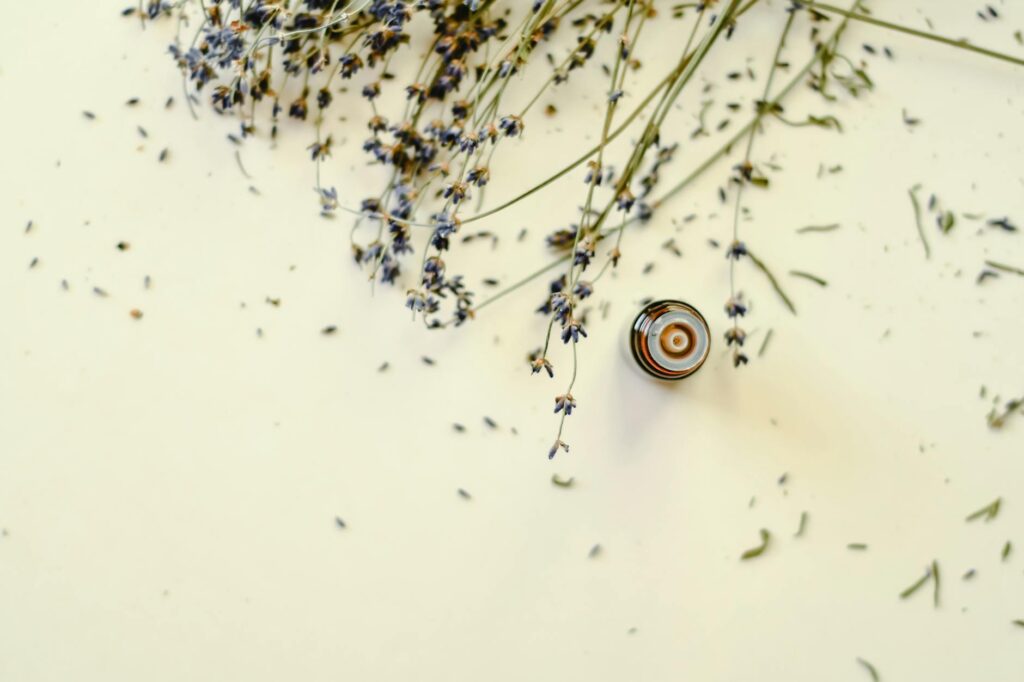
How to Use DIY Aromatherapy Recipes for Relaxation with Lavender and Bergamot Oils
Introduction
In an increasingly fast-paced world, finding ways to relax and unwind has become essential for maintaining overall well-being. Aromatherapy, which utilizes essential oils for therapeutic purposes, offers a natural approach to promoting relaxation and reducing stress. Among the myriad of essential oils available, lavender and bergamot stand out for their calming properties. This article will explore how to create DIY aromatherapy recipes using these two oils, highlighting their benefits, applications, and safety considerations.
What Is DIY Aromatherapy Recipes for Relaxation with Lavender and Bergamot Oils?
DIY aromatherapy involves blending essential oils to create personalized recipes that cater to individual preferences and needs. Lavender (Lavandula angustifolia) is renowned for its soothing and calming effects, while bergamot (Citrus bergamia) is celebrated for its uplifting and balancing qualities. When combined, these two oils can create a harmonious blend that promotes relaxation and emotional well-being.
Essential Oils Defined
Essential oils are highly concentrated plant extracts that capture the natural fragrance and beneficial properties of the plant from which they are derived. They are typically extracted through distillation or cold-pressing methods. In the context of aromatherapy, these oils can be inhaled, diffused, or applied topically (diluted with a carrier oil) to foster relaxation and emotional balance.
Key Benefits and Properties
Lavender Oil
Lavender oil is one of the most studied essential oils, praised for its wide range of benefits:
- Calming and Relaxing: Lavender is often used to alleviate feelings of anxiety and stress. Its calming properties can help promote a sense of tranquility and peace.
- Sleep Aid: Many individuals find that lavender oil is effective in improving sleep quality, making it a popular choice for bedtime rituals.
- Mood Booster: The scent of lavender can uplift mood and reduce feelings of restlessness.
- Uplifting Aroma: The citrusy fragrance of bergamot is known to enhance mood and reduce feelings of stress and anxiety.
- Balancing Properties: Bergamot is considered an adaptogen, helping the body adapt to stress and restore balance.
- Antidepressant Effects: Some studies suggest that bergamot oil may have antidepressant-like effects, contributing to an overall sense of well-being.
- Stress Relief: Use the oils in a diffuser or as part of a massage blend to alleviate tension.
- Sleep Support: Create a bedtime spray or pillow mist to promote restful sleep.
- Meditation and Mindfulness: Incorporate these oils into meditation practices to enhance focus and tranquility.
- Bath Products: Add to bath salts or oils for a relaxing soak.
- 3 drops of lavender essential oil
- 3 drops of bergamot essential oil
- Water (as directed for your diffuser)
- 1 cup of Epsom salt
- 5 drops of lavender essential oil
- 5 drops of bergamot essential oil
- Optional: 1/2 cup of carrier oil (such as coconut or jojoba oil)
- 1/2 cup of distilled water
- 1 tablespoon of witch hazel or vodka (to help disperse the oils)
- 5 drops of lavender essential oil
- 5 drops of bergamot essential oil
- 2 tablespoons of carrier oil (such as sweet almond or coconut oil)
- 3 drops of lavender essential oil
- 3 drops of bergamot essential oil
- Dilution: Always dilute essential oils with a carrier oil before applying them to the skin to prevent irritation.
- Skin Sensitivity: Conduct a patch test on a small area of skin to check for any allergic reactions or sensitivities before using a new oil.
- Pregnancy and Nursing: Consult with a healthcare provider before using essential oils during pregnancy or while nursing.
- Sun Sensitivity: Bergamot oil can increase sensitivity to sunlight. Avoid sun exposure or tanning beds after topical application.
- Containers: Store oils in dark glass bottles to protect them from light exposure.
- Temperature: Keep essential oils in a cool, dark place away from direct sunlight and heat.
- Shelf Life: Typically, essential oils have a shelf life of 1 to 3 years, depending on the oil and storage conditions. Check for any changes in smell or consistency to determine freshness.
Bergamot Oil
Bergamot oil, derived from the peel of the bergamot orange, has its own set of notable characteristics:
When used together, lavender and bergamot oils can create a powerful synergy that enhances relaxation and emotional stability.
Common Uses
DIY aromatherapy recipes incorporating lavender and bergamot can be adapted for various uses, including:
Aromatherapy Applications
1. Diffuser Blend
Creating a calming diffuser blend is one of the simplest ways to enjoy the benefits of lavender and bergamot oils.
Ingredients:
Instructions:
1. Add water to your diffuser as per the manufacturer’s instructions.
2. Add the lavender and bergamot essential oils.
3. Turn on the diffuser and enjoy the soothing aroma as it fills your space.
2. Relaxing Bath Soak
A warm bath infused with essential oils can be a wonderful way to unwind after a long day.
Ingredients:
Instructions:
1. In a bowl, combine the Epsom salt, lavender oil, and bergamot oil (and carrier oil, if using).
2. Stir well to mix the oils with the salt.
3. Add the mixture to a warm bath and soak for at least 20 minutes.
3. Calming Pillow Spray
A pillow spray can create a serene atmosphere that promotes better sleep.
Ingredients:
Instructions:
1. In a small spray bottle, combine distilled water and witch hazel or vodka.
2. Add the lavender and bergamot oils.
3. Shake well before each use and lightly mist your pillow and bedding before sleep.
4. Massage Oil
Creating a massage oil with lavender and bergamot can enhance relaxation during a massage.
Ingredients:
Instructions:
1. In a small bowl, combine the carrier oil with the essential oils.
2. Mix well and use the blend for a soothing massage.
Safety Considerations
While lavender and bergamot oils are generally considered safe for most individuals, there are important safety considerations to keep in mind:
Storage and Shelf Life
To ensure the longevity and efficacy of essential oils, proper storage is essential:
Frequently Asked Questions
1. Can I mix lavender and bergamot with other essential oils?
Yes, lavender and bergamot can be blended with a variety of other essential oils. Consider pairing them with oils such as chamomile or frankincense for additional calming effects.
2. How often can I use these oils?
Aromatherapy practices can be enjoyed daily, but it is advisable to monitor your body’s response and adjust usage as needed.
3. Are there any contraindications for using these oils?
While lavender and bergamot are generally safe, individuals with specific health conditions or those on medications should consult a healthcare professional for personalized guidance.
4. Can I use bergamot oil if I have sensitive skin?
Bergamot oil can be irritating for some individuals, especially those with sensitive skin. Always dilute it with a carrier oil and perform a patch test before widespread use.
5. How can I incorporate these oils into my daily routine?
Consider using a diffuser at home or carrying a personal inhaler with a blend of lavender and bergamot to enjoy their benefits throughout the day.
Conclusion
Utilizing DIY aromatherapy recipes with lavender and bergamot oils can significantly enhance your relaxation practices. By understanding their properties and learning how to combine them effectively, you can create personalized experiences that promote emotional balance and tranquility. Always remember to practice safety and storage guidelines to ensure the best outcomes from your aromatherapy journey.