
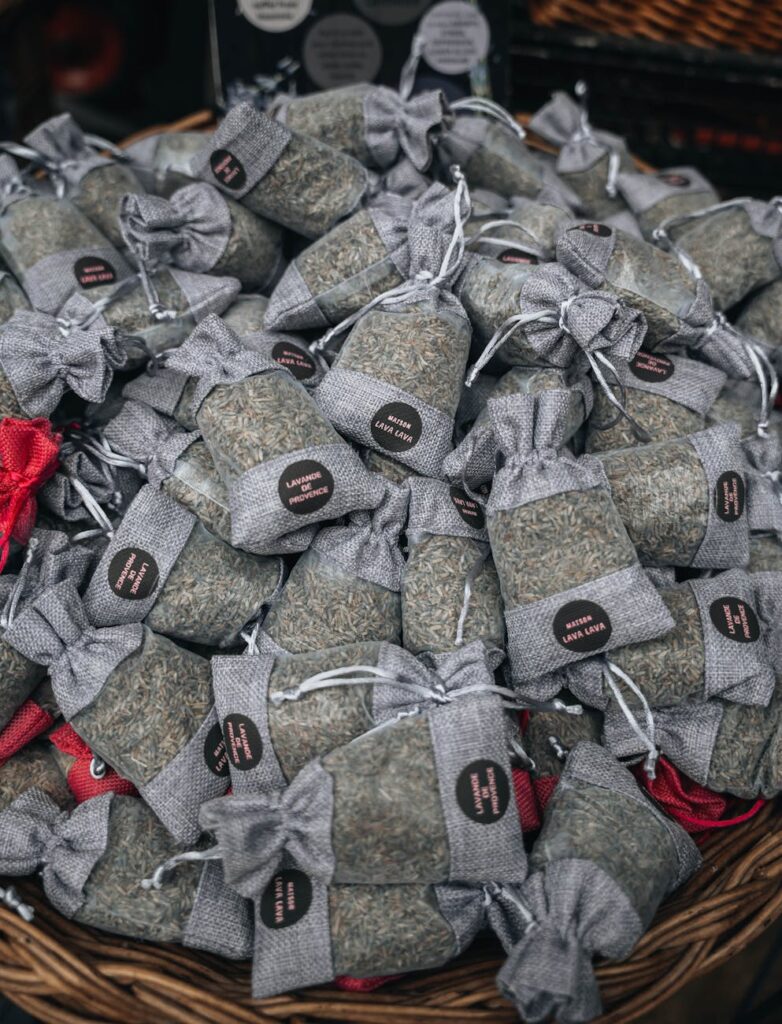
How to Use DIY Aromatherapy Recipes for Scented Sachets with Herbal Blends
Introduction
Aromatherapy is an ancient practice that harnesses the natural power of essential oils and herbs to promote well-being and enhance the atmosphere of our living spaces. One of the simplest and most delightful ways to incorporate aromatherapy into daily life is through the creation of scented sachets. These small, fragrant packets can infuse your environment with calming or invigorating scents, making them a popular choice for personal use and thoughtful gifts. This article explores how to use DIY aromatherapy recipes for scented sachets with herbal blends, providing insights into their benefits, applications, and safety considerations.
What Is DIY Aromatherapy Recipes for Scented Sachets with Herbal Blends?
DIY aromatherapy recipes for scented sachets involve the combination of essential oils and dried herbs, which are then placed in small fabric bags or pouches. These sachets can be made using various materials such as muslin, cotton, or silk, allowing for breathability while retaining the aromatic properties of the ingredients inside. The blends typically include a selection of aromatic herbs, flowers, and essential oils that complement each other, creating an inviting fragrance profile.
The process of making scented sachets allows for personalization, enabling individuals to create blends tailored to their specific preferences and needs. Common ingredients include lavender, chamomile, rosemary, and mint, among others, each contributing unique scents and properties.
Key Benefits and Properties
The benefits of using scented sachets extend beyond mere fragrance. Here are some of the key advantages associated with their use:
1. Aromatherapy Effects: Different scents can evoke various emotional responses. For instance, lavender is often associated with relaxation, while citrus scents like lemon and orange are invigorating.
2. Natural Air Fresheners: Scented sachets can help to naturally freshen the air in your home, reducing the need for synthetic air fresheners that may contain harmful chemicals.
3. Insect Repellent: Certain aromatic herbs, such as rosemary and mint, can deter pests, making scented sachets useful in closets or storage areas.
4. Mood Enhancement: The act of creating and using scented sachets can be therapeutic in itself, promoting mindfulness and creativity.
5. Personalization: Custom blends allow individuals to tailor scents to their preferences, providing a unique aromatic experience.
Common Uses
Scented sachets can be used in a variety of ways, making them versatile additions to your home and lifestyle:
1. Closets and Drawers: Placing sachets in closets or drawers can keep clothes smelling fresh while also repelling moths and other pests.
2. Bedding: Tucking sachets under pillows or inside pillowcases can promote restful sleep by providing calming scents.
3. Car: Hanging sachets in the car can serve as a natural air freshener, enhancing the driving experience.
4. Gifts: Handmade scented sachets make thoughtful gifts for friends and family, particularly during holidays or special occasions.
5. Storage: Placing sachets in storage bins can help maintain a pleasant smell in long-term storage items.
Aromatherapy Applications
When crafting scented sachets, the choice of herbs and essential oils is crucial for achieving desired aromatic and therapeutic effects. Here are some popular herbal blends and their applications:
1. Lavender and Chamomile Blend
Ingredients: Dried lavender flowers, dried chamomile flowers, lavender essential oil.
Properties: Known for their calming and soothing effects, this blend is ideal for promoting relaxation and restful sleep.
2. Citrus Fresh Blend
Ingredients: Dried orange peels, dried lemon balm, sweet orange essential oil.
Properties: This vibrant blend is uplifting and refreshing, making it perfect for energizing spaces like kitchens or work areas.
3. Herbal Refresh Blend
Ingredients: Dried mint leaves, dried rosemary, peppermint essential oil.
Properties: This blend can invigorate the senses and create a refreshing atmosphere, suitable for bathrooms or exercise areas.
4. Spice Comfort Blend
Ingredients: Dried cinnamon sticks, dried cloves, essential oil of your choice (such as vanilla or sandalwood).
Properties: This warm, spicy blend is comforting and ideal for creating a cozy atmosphere during colder months.
Safety Considerations
While scented sachets are generally safe to use, there are a few important considerations to keep in mind:
1. Essential Oil Quality: Use high-quality, pure essential oils. Synthetic fragrances may contain harmful chemicals that can cause allergic reactions or sensitivities.
2. Allergies: Be aware of any allergies you or others may have to specific herbs or essential oils. Always perform a patch test if uncertain.
3. Children and Pets: Store sachets out of reach of children and pets, as some herbs and essential oils may be harmful if ingested.
4. Ventilation: Ensure that the area in which sachets are used is well-ventilated. Overexposure to strong scents may cause headaches or discomfort.
Storage and Shelf Life
Proper storage of scented sachets can extend their shelf life and maintain their fragrance. Follow these guidelines:
1. Cool, Dark Place: Store sachets in a cool, dark place to prevent degradation of the herbs and essential oils.
2. Airtight Containers: Use airtight containers to preserve the scent and prevent moisture from entering.
3. Refresh When Necessary: Over time, the fragrance may diminish. You can refresh sachets by adding a few drops of essential oil to the contents or replacing the herbs entirely.
4. Shelf Life: Generally, scented sachets can last from 6 months to 1 year, depending on the ingredients used and storage conditions.
Frequently Asked Questions
Q1: How do I know which essential oils to use?
A1: Consider your desired effects. Research the properties of different essential oils and choose those that align with your goals, whether it be relaxation, invigoration, or freshness.
Q2: Can I use fresh herbs instead of dried herbs?
A2: Fresh herbs can be used, but they may introduce moisture, which can lead to mold growth. It is generally recommended to use dried herbs for sachets.
Q3: How can I make my sachets more aesthetically pleasing?
A3: Use decorative fabric, ribbons, or labels to personalize your sachets. Adding embellishments can enhance their visual appeal.
Q4: Are there any herbs or essential oils I should avoid?
A4: Yes, some essential oils can be irritating or toxic if misused. Always research the safety of specific oils, especially if you have children or pets.
Q5: Can I use sachets in my car?
A5: Yes, sachets can be used in cars as a natural air freshener. Consider using essential oils that are less likely to degrade in heat.
Conclusion
Crafting DIY aromatherapy recipes for scented sachets with herbal blends is a rewarding and enriching practice that allows you to infuse your living spaces with natural fragrances. By understanding the properties of various herbs and essential oils, you can create personalized blends that enhance your environment and support well-being. With proper care and attention to safety considerations, these scented sachets can become cherished elements of your home, bringing comfort and joy for months to come.