
How to Use DIY Aromatherapy Recipes for Seasonal Mood Regulation
Introduction
Seasonal changes can significantly affect mood and emotional well-being. As daylight hours fluctuate and temperatures shift, many individuals experience variations in mood, energy levels, and overall mental health. Aromatherapy, the practice of using essential oils for therapeutic purposes, offers a natural approach to support emotional balance throughout the changing seasons. This article explores how DIY aromatherapy recipes can assist in mood regulation, providing insights into their benefits, applications, safety considerations, and more.
What Is DIY Aromatherapy Recipes for Seasonal Mood Regulation?
DIY aromatherapy recipes combine essential oils with various carrier substances to create personalized blends aimed at enhancing emotional well-being during different seasons. These recipes can be tailored to address specific seasonal challenges, such as the winter blues or springtime allergies, leveraging the unique properties of various essential oils. By understanding the characteristics of different oils and how they interact with our senses, individuals can create effective blends that promote relaxation, upliftment, and emotional stability.
Key Benefits and Properties
Aromatherapy is based on the idea that essential oils can influence mood and behavior through olfactory stimulation. The following are key benefits associated with using DIY aromatherapy recipes for seasonal mood regulation:
1. Emotional Balance: Certain essential oils possess properties that can help soothe anxiety, enhance mood, and promote emotional balance. For example, oils like lavender and bergamot are known for their calming effects.
2. Stress Reduction: Many people experience heightened stress levels during seasonal transitions. Oils such as chamomile and frankincense can have a grounding effect, aiding in stress relief.
3. Enhanced Focus and Clarity: Seasonal changes can disrupt concentration. Essential oils like peppermint and rosemary are often used to stimulate mental clarity and focus.
4. Support for Sleep: Changes in weather can impact sleep quality. Oils like cedarwood and vetiver are known to promote relaxation and improve sleep quality.
5. Physical Comfort: Some essential oils have properties that can alleviate seasonal discomforts, such as sinus congestion during springtime or the dryness associated with winter.
Common Uses
DIY aromatherapy recipes can be used in various ways to enhance mood during different seasons:
- Diffusion: Adding essential oils to a diffuser can fill a room with fragrance, creating an uplifting environment conducive to emotional well-being.
- Topical Application: Blending essential oils with a carrier oil allows for direct application to the skin, providing localized benefits.
- Bath Soaks: Incorporating essential oils into bath water can create a relaxing atmosphere, helping to ease tension and promote calmness.
- Inhalation: Direct inhalation of essential oils from a bottle or inhaler can provide immediate mood enhancement.
- Room Sprays: Creating a room spray with essential oils can refresh indoor spaces and create a pleasant aroma that supports emotional balance.
- 5 drops of Sweet Orange essential oil
- 3 drops of Frankincense essential oil
- 2 drops of Cinnamon essential oil
- 1 oz. of carrier oil (e.g., jojoba or sweet almond oil)
- 4 drops of Lemongrass essential oil
- 3 drops of Bergamot essential oil
- 2 drops of Peppermint essential oil
- 1 oz. of distilled water (for a room spray)
- 4 drops of Lavender essential oil
- 3 drops of Geranium essential oil
- 2 drops of Ylang Ylang essential oil
- 1 cup of Epsom salt (for a bath soak)
- 5 drops of Cedarwood essential oil
- 3 drops of Patchouli essential oil
- 2 drops of Clary Sage essential oil
- 1 oz. of carrier oil (for topical use)
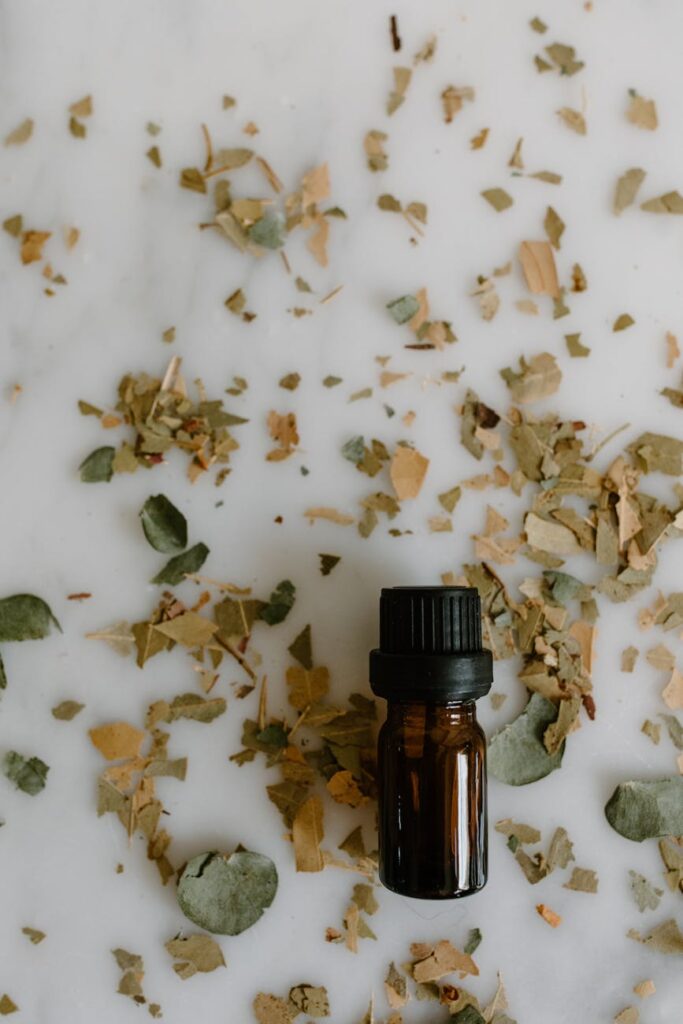
- Containers: Store essential oils in dark glass bottles to protect them from light degradation.
- Temperature: Keep oils in a cool environment, ideally between 60-70°F (15-21°C).
- Shelf Life: Most essential oils have a shelf life of 1-3 years, but this can vary based on the oil type and storage conditions. Citrus oils tend to have a shorter shelf life, while oils like patchouli and sandalwood can improve with age.
Aromatherapy Applications
Seasonal Recipes
Here are some DIY aromatherapy recipes tailored for specific seasons:
Winter Mood Booster
Ingredients:
Instructions:
1. Mix the essential oils with the carrier oil in a glass bottle.
2. Apply to pulse points for an uplifting aroma that combats winter blues.
Spring Awakening Blend
Ingredients:
Instructions:
1. Combine the essential oils with distilled water in a spray bottle.
2. Shake well before each use and spray around the home to invigorate the atmosphere.
Summer Calm Recipe
Ingredients:
Instructions:
1. Mix the essential oils with the Epsom salt and add to a warm bath.
2. Soak for at least 20 minutes to relax and unwind.
Fall Grounding Blend
Ingredients:
Instructions:
1. Blend the essential oils with the carrier oil.
2. Massage onto the skin for a grounding experience.
Safety Considerations
When using essential oils, it is essential to observe safety protocols to avoid adverse effects:
1. Dilution: Always dilute essential oils with a carrier oil before applying them to the skin to prevent irritation.
2. Patch Test: Conduct a patch test on a small area of skin to check for allergic reactions before widespread use.
3. Quality of Oils: Use high-quality, pure essential oils from reputable sources to ensure safety and effectiveness.
4. Avoid Certain Populations: Pregnant women, nursing mothers, and individuals with specific health conditions should consult a qualified professional before using essential oils.
5. Storage: Store essential oils in a cool, dark place away from children and pets.
Storage and Shelf Life
Proper storage of essential oils is crucial to maintaining their potency and effectiveness. Here are some guidelines:
Frequently Asked Questions
Can I use essential oils if I have allergies?
Essential oils can trigger allergic reactions in some individuals. If you have known sensitivities, be cautious and consult a healthcare provider before using them.
How often can I use my DIY aromatherapy blends?
Frequency of use depends on the specific blend and individual tolerance. Generally, using blends 1-3 times daily is safe for most people, but always listen to your body and adjust accordingly.
Can I mix different essential oils together?
Yes, blending different essential oils can create unique aromas and benefits. However, it is advisable to research each oil’s properties and potential interactions.
Are there any essential oils I should avoid during certain seasons?
While most essential oils are safe year-round, some may be more beneficial during specific seasons. For example, citrus oils may be uplifting in the winter but could cause photosensitivity if used before sun exposure in the summer.
How can I make my home smell good with essential oils?
In addition to diffusing, you can create room sprays or use essential oils in cleaning products to naturally scent your home while benefiting from their properties.
Conclusion
DIY aromatherapy recipes offer an accessible and effective way to support emotional well-being through seasonal changes. By understanding the properties of essential oils and their applications, individuals can create personalized blends that enhance mood and promote emotional balance. With proper safety considerations and storage practices, aromatherapy can become a valuable part of your seasonal self-care routine. Embrace the power of nature and let the fragrant world of essential oils guide you through the changing seasons.