
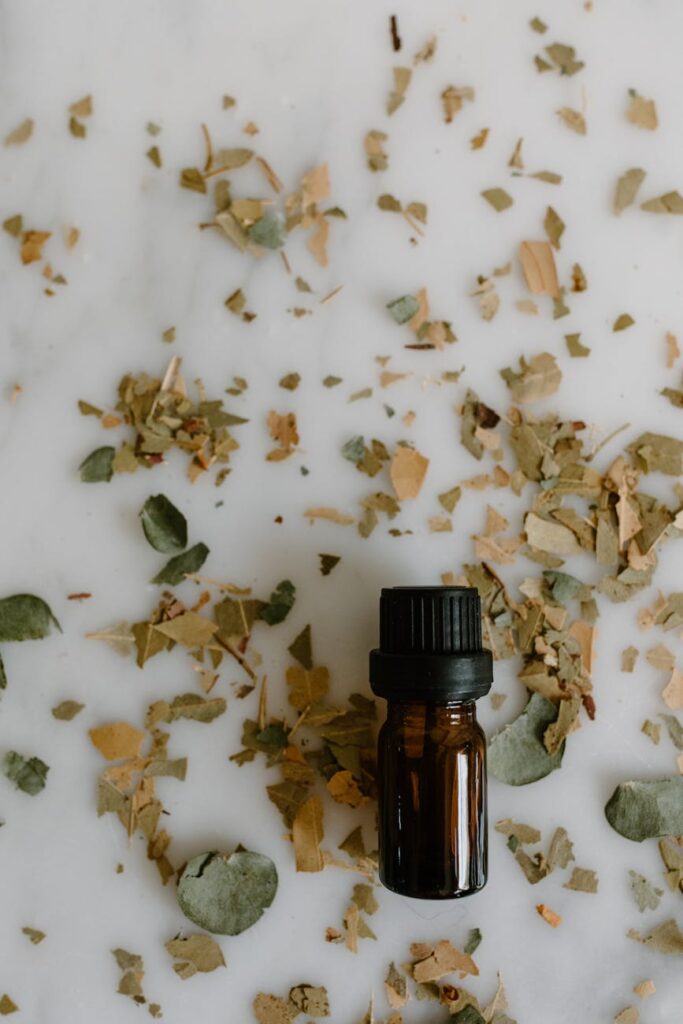
How to Use DIY Aromatherapy Recipes for Seasonal Mood Support with Citrus Oils
Introduction
Aromatherapy has gained popularity as a holistic approach to enhancing emotional well-being and promoting relaxation. Among the plethora of essential oils available, citrus oils stand out due to their bright, uplifting scents and numerous therapeutic properties. This article explores the use of DIY aromatherapy recipes that harness the power of citrus oils for seasonal mood support, providing insights into their benefits, applications, and safety considerations.
What Is DIY Aromatherapy Recipes for Seasonal Mood Support with Citrus Oils?
DIY aromatherapy involves creating your own blends of essential oils to improve mood and promote emotional balance. Seasonal mood support focuses on addressing the emotional fluctuations often experienced during different times of the year. Citrus oils such as lemon, orange, grapefruit, and bergamot are known for their energizing and mood-lifting qualities, making them ideal candidates for these DIY recipes.
By blending these oils with carrier oils, diffusers, or other mediums, individuals can create personalized aromatherapy experiences tailored to their emotional needs throughout the year.
Key Benefits and Properties
Citrus oils are not only prized for their delightful fragrances but also for their various benefits:
1. Uplifting Mood: Citrus oils are renowned for their ability to elevate mood and instill a sense of joy. They can help combat feelings of sadness and fatigue, particularly during the darker months.
2. Stress Relief: The refreshing scent of citrus oils can help reduce stress and anxiety, promoting a sense of calm and relaxation.
3. Cognitive Function: Certain citrus oils may enhance mental clarity and focus, making them beneficial for tasks requiring concentration.
4. Antimicrobial Properties: Citrus oils possess natural antimicrobial properties, which can contribute to a cleaner living environment when used in household applications.
5. Invigorating and Energizing: The bright scents of citrus oils can invigorate the senses, helping to combat lethargy and enhance motivation.
Common Uses
Citrus oils can be incorporated into various aspects of daily life. Here are some common uses:
1. Diffusion: Adding citrus oils to a diffuser is one of the simplest ways to enjoy their uplifting properties. The aroma fills the room, creating an inviting atmosphere.
2. Topical Application: When diluted with a carrier oil, citrus oils can be applied to pulse points or massaged onto the body for a more direct effect.
3. Bath Additives: Adding a few drops of citrus oils to a warm bath can create a rejuvenating experience, helping to relieve stress and enhance mood.
4. Cleaning Products: Citrus oils can be incorporated into homemade cleaning solutions, leaving behind a fresh scent and adding antimicrobial benefits.
5. Inhalation: Simply inhaling the oil directly from the bottle or a cotton ball can provide an immediate mood boost.
Aromatherapy Applications
DIY Citrus Mood-Boosting Recipes
1. Citrus Bliss Diffuser Blend
- Ingredients:
- 4 drops of Sweet Orange Oil
- 3 drops of Lemon Oil
- 2 drops of Bergamot Oil
- Instructions: Add the essential oils to your diffuser with water as directed by the manufacturer. Use this blend during the morning to uplift your spirits and start the day positively.
- Ingredients:
- 10 ml of Jojoba Oil (or any preferred carrier oil)
- 5 drops of Grapefruit Oil
- 5 drops of Lime Oil
- Instructions: Combine the oils in a roll-on bottle. Apply to pulse points such as wrists and temples whenever you need an energy boost.
- Ingredients:
- 1 cup of Epsom salt
- 10 drops of Lemon Oil
- 5 drops of Neroli Oil
- Instructions: Mix the oils into the Epsom salt and add to a warm bath. Soak for at least 20 minutes to relax and rejuvenate.
- Ingredients:
- 1 cup of distilled water
- 1/2 cup of white vinegar
- 10 drops of Lemon Oil
- 5 drops of Orange Oil
- Instructions: Combine all ingredients in a spray bottle. Use it as a natural cleaning solution for surfaces in your home.
2. Energizing Citrus Roll-On
3. Relaxing Citrus Bath Soak
4. Citrus Cleaning Spray
Safety Considerations
While citrus oils offer numerous benefits, it is essential to use them safely:
1. Dilution: Citrus oils are potent and should always be diluted with a carrier oil before topical application to prevent skin irritation.
2. Phototoxicity: Some citrus oils, particularly lemon and bergamot, can cause photosensitivity. Avoid applying them to the skin before sun exposure, as they may increase the risk of sunburn.
3. Allergies and Sensitivities: Conduct a patch test before using a new oil to check for any allergic reactions or sensitivities.
4. Pregnancy and Medical Conditions: Individuals who are pregnant, nursing, or have underlying health conditions should consult with a healthcare professional before using essential oils.
Storage and Shelf Life
Proper storage is crucial to maintaining the integrity of essential oils. Here are some tips:
1. Cool, Dark Place: Store citrus oils in a cool, dark place away from direct sunlight to prolong their shelf life.
2. Tightly Sealed Containers: Ensure that bottles are tightly sealed to prevent oxidation and loss of potency.
3. Expiration Dates: Most citrus oils have a shelf life of 1-2 years, but this can vary based on quality and storage conditions. Always check for changes in scent or consistency before use.
Frequently Asked Questions
Can I use citrus oils if I have sensitive skin?
While many people can use citrus oils safely, those with sensitive skin should dilute the oils more heavily and conduct a patch test before broader application.
Are citrus oils safe for children?
Citrus oils can generally be used around children, but they should be highly diluted and used with caution. Always consult with a healthcare provider for recommendations specific to children.
How can I make my citrus essential oil blends last longer?
To extend the shelf life of your blends, store them in dark glass bottles in a cool, dark place and minimize exposure to air and light.
Can I mix different citrus oils together?
Yes, blending different citrus oils can create a unique aroma and enhance the mood-boosting benefits. Experiment with different combinations to find what works best for you.
Is it safe to ingest citrus oils?
Ingesting essential oils is not generally recommended unless under the guidance of a qualified healthcare provider. Many oils can be toxic when ingested improperly.
Conclusion
DIY aromatherapy recipes utilizing citrus oils offer a delightful and effective way to support mood during seasonal changes. With their uplifting properties and versatility, citrus oils can enhance daily routines, making them a valuable addition to any wellness practice. By understanding the benefits, applications, and safety considerations, individuals can fully embrace the aromatic journey that citrus oils provide, bringing joy and balance to their lives.