
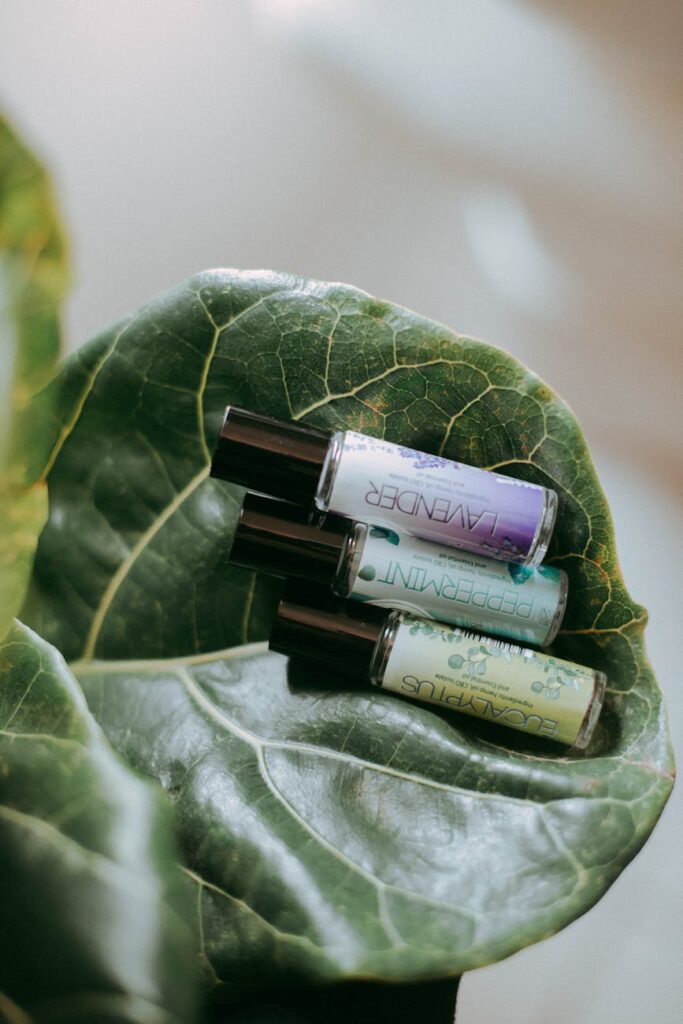
How to Use DIY Aromatherapy Recipes for Seasonal Mood Support with Peppermint Oil
Introduction
Seasonal changes often bring about shifts in mood and energy levels. Whether it’s the dreariness of winter, the allergies of spring, or the heat of summer, individuals may find themselves grappling with emotional fluctuations. Aromatherapy, particularly the use of essential oils, has emerged as a popular method for enhancing mood and promoting emotional well-being throughout the year. Among the myriad of essential oils available, peppermint oil stands out for its invigorating and uplifting properties. This article explores how to harness the benefits of peppermint oil through DIY aromatherapy recipes tailored for seasonal mood support.
What Is DIY Aromatherapy Recipes for Seasonal Mood Support with Peppermint Oil?
DIY aromatherapy involves creating your own essential oil blends and formulations to address specific needs, such as mood support during changing seasons. Peppermint oil, obtained from the leaves of the Mentha piperita plant, is known for its refreshing scent and energizing properties. When incorporated into personal aromatherapy recipes, peppermint oil can help alleviate feelings of fatigue, enhance mental clarity, and uplift the spirit.
Seasonal mood support refers to the use of aromatic practices to bolster emotional health during different times of the year. By crafting personalized blends that include peppermint oil, individuals can create a sensory experience that not only smells delightful but also provides mood-enhancing benefits.
Key Benefits and Properties
Peppermint oil boasts a range of properties that can support mood and emotional well-being:
1. Energizing and Invigorating: The fresh and minty aroma of peppermint is known to stimulate the senses and promote alertness. In times of lethargy or low energy, it can act as a natural pick-me-up.
2. Mental Clarity: The oil is renowned for its ability to enhance concentration and focus, making it an excellent choice for individuals experiencing mental fatigue.
3. Stress Relief: Inhaling peppermint oil can help reduce feelings of tension and stress. Its cooling properties may contribute to a sense of calm amidst chaos.
4. Restorative: Peppermint oil has been used to support emotional balance and resilience, making it beneficial during times of seasonal transitions.
5. Refreshing Aroma: Its invigorating scent not only uplifts the mood but also provides a sense of cleanliness and clarity in the environment.
Common Uses
Individuals can employ peppermint oil in various ways to harness its mood-enhancing benefits. Here are some common applications:
- Diffusion: Adding peppermint oil to a diffuser can fill a room with its revitalizing scent, creating an uplifting atmosphere.
- Topical Application: Blending peppermint oil with a carrier oil allows for direct application on pulse points or areas of tension.
- Inhalation: Directly inhaling the scent from the bottle or using a personal inhaler can provide immediate mood support.
- Bath Additive: Incorporating peppermint oil into bath water can create a rejuvenating experience.
- DIY Products: Homemade candles, room sprays, and body scrubs can be infused with peppermint oil for added benefits.
- 5 drops peppermint oil
- 3 drops orange oil
- 2 drops lavender oil
- 10 ml roller bottle
- 8 drops peppermint oil
- 5 drops lemon oil
- 5 ml carrier oil (e.g., jojoba or sweet almond oil)
- 2 cups Epsom salt
- 10 drops peppermint oil
- 5 drops eucalyptus oil
- 1 cup distilled water
- 2 tablespoons witch hazel
- 10 drops peppermint oil
- Dilution: Always dilute peppermint oil with a carrier oil before applying it to the skin to prevent irritation.
- Patch Test: Perform a patch test on a small area of skin to check for allergic reactions before widespread use.
- Pregnancy and Nursing: Pregnant or nursing individuals should consult a healthcare professional before using peppermint oil.
- Children and Pets: Use caution when using essential oils around children and pets. Consult a pediatrician or veterinarian for specific guidance.
- Storage: Store essential oils in a cool, dark place to maintain their potency and prevent degradation.
Aromatherapy Applications
Creating your own DIY aromatherapy recipes with peppermint oil can be both fun and therapeutic. Below are several examples of easy-to-make recipes tailored for seasonal mood support:
1. Peppermint Mood Booster Diffuser Blend
Ingredients:
Instructions:
1. In your diffuser, combine the essential oils with water according to the manufacturer’s instructions.
2. Turn on the diffuser and enjoy the uplifting aroma that fills your space.
2. Energizing Roll-On Blend
Ingredients:
Instructions:
1. Add the essential oils to the roller bottle.
2. Fill the rest of the bottle with your chosen carrier oil.
3. Cap the bottle and shake gently to mix. Apply to pulse points as needed for a refreshing energy boost.
3. Refreshing Bath Soak
Ingredients:
Instructions:
1. In a bowl, mix the Epsom salt with the essential oils.
2. Add the mixture to your bath water and soak for a relaxing experience.
4. Peppermint Room Spray
Ingredients:
Instructions:
1. Combine all ingredients in a spray bottle.
2. Shake well before each use and spray around your living space to invigorate the atmosphere.
Safety Considerations
While peppermint oil is generally considered safe for aromatic use, it is essential to follow safety guidelines:
Storage and Shelf Life
Proper storage is crucial to ensure the longevity of peppermint oil. Keep the oil in a dark glass bottle, tightly sealed, and stored in a cool, dry place. When stored correctly, peppermint oil can last for several years, although its potency may diminish over time. It is advisable to check for any changes in color, scent, or consistency before use.
Frequently Asked Questions
1. Can peppermint oil be used in cooking?
While food-grade peppermint oil is available, it is essential to ensure that the oil is safe for culinary use. Always check the product label and consult guidelines before incorporating essential oils into food.
2. What are the differences between peppermint oil and spearmint oil?
Both oils come from different mint plants. Peppermint oil has a stronger, more intense aroma and higher menthol content, while spearmint oil has a sweeter, milder scent. Each has its unique benefits and uses.
3. How often can I use peppermint oil for mood support?
The frequency of use can vary based on individual preference. It is generally safe to use peppermint oil multiple times a day, provided it is diluted appropriately for skin application.
4. Is it safe to blend peppermint oil with other essential oils?
Yes, peppermint oil blends well with various essential oils, including citrus oils, lavender, and eucalyptus. Experimenting with different combinations can yield delightful aromas and synergistic effects.
5. Can I use peppermint oil in a bath if I have sensitive skin?
If you have sensitive skin, it is advisable to perform a patch test before adding peppermint oil to your bath. Dilute the oil adequately and consider using it in combination with a carrier oil to minimize any potential irritation.
Conclusion
DIY aromatherapy recipes featuring peppermint oil offer an enjoyable and effective way to support seasonal mood changes. By understanding the properties and benefits of peppermint oil, individuals can create personalized blends that enhance their emotional well-being throughout the year. Whether through diffusion, topical application, or bath soaks, the invigorating scent of peppermint can uplift spirits and promote a sense of clarity and focus. Embrace the power of nature and explore the world of DIY aromatherapy to enrich your seasonal experiences.