
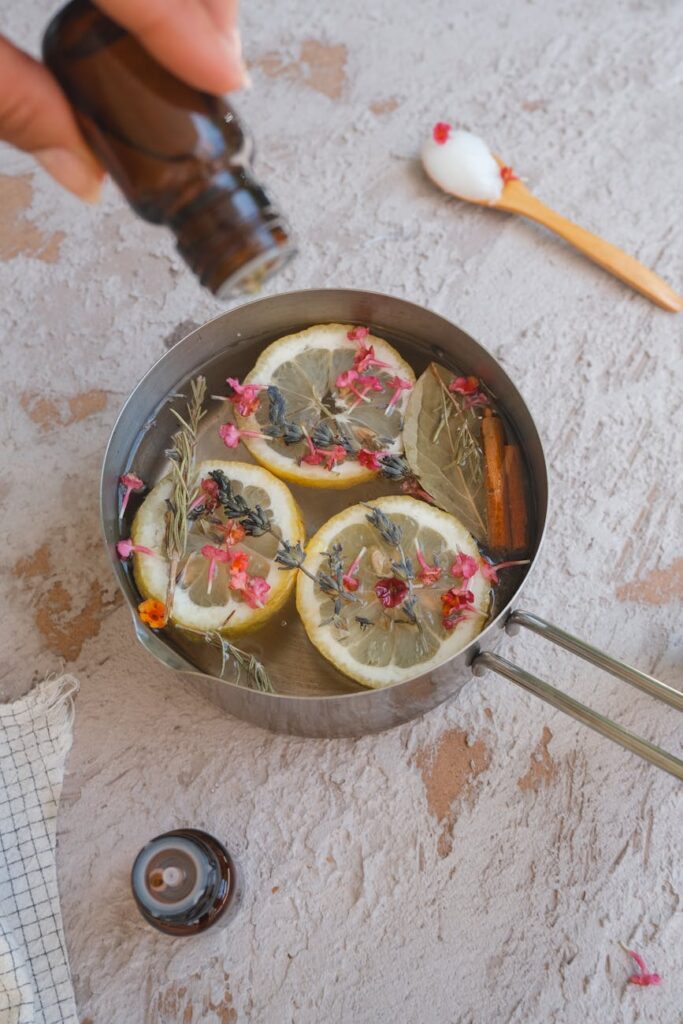
How to Use DIY Aromatherapy Recipes for Seasonal Mood Support with Spice Oils
Introduction
As the seasons change, so too can our emotional states. Many individuals experience shifts in mood and energy levels with the onset of different weather patterns, particularly during the fall and winter months. Aromatherapy, particularly through the use of essential oils derived from spices, offers a natural approach to support seasonal emotional well-being. This article explores how to create your own DIY aromatherapy recipes using spice oils, the benefits they offer, and practical applications for enhancing mood throughout the year.
What Is DIY Aromatherapy Recipes for Seasonal Mood Support with Spice Oils?
DIY aromatherapy involves the use of essential oils—concentrated plant extracts—that can be blended to create specific recipes aimed at promoting emotional balance and well-being. Spice oils, derived from various aromatic plants, have been used for centuries in traditional practices for their uplifting and invigorating properties. By combining different spice oils, individuals can create personalized blends that cater to their unique emotional needs during specific seasons.
Key Benefits and Properties
Spice oils are known for their distinct aromatic qualities and numerous benefits. Here are some key spice oils commonly used in aromatherapy and their properties:
1. Cinnamon (Cinnamomum verum): Known for its warm and comforting aroma, cinnamon can be stimulating and uplifting, making it ideal for combating feelings of lethargy.
2. Clove (Syzygium aromaticum): With its rich, spicy scent, clove oil is often associated with warmth and comfort. It may evoke feelings of nostalgia and support emotional clarity.
3. Ginger (Zingiber officinale): Ginger oil is invigorating, promoting feelings of energy and motivation. It can enhance mood and stimulate mental clarity.
4. Pepper (Piper nigrum): Black pepper oil is grounding and stimulating, helping to alleviate feelings of anxiety and promote a sense of warmth.
5. Nutmeg (Myristica fragrans): Nutmeg is known for its calming properties. Its sweet, spicy aroma can create a comforting atmosphere, fostering relaxation and emotional balance.
6. Cardamom (Elettaria cardamomum): Cardamom oil is uplifting and refreshing. It may help dispel negativity, making it an excellent choice for seasonal mood support.
Common Uses
Spice oils can be utilized in various ways to support seasonal mood:
- Diffusion: Adding spice oils to a diffuser can fill a room with uplifting aromas, creating a warm and inviting atmosphere.
- Topical Application: When diluted with a carrier oil, spice oils can be applied to pulse points, providing a personal scent experience throughout the day.
- Bath: Incorporating spice oils into a warm bath can create a soothing and aromatic experience, promoting relaxation and emotional well-being.
- Inhalation: Direct inhalation from a bottle or a cotton pad can provide immediate mood support when feelings of anxiety or lethargy arise.
- 3 drops Cinnamon essential oil
- 2 drops Clove essential oil
- 2 drops Ginger essential oil
- 10 ml Carrier oil (e.g., sweet almond or jojoba)
- 5 drops Cardamom essential oil
- 3 drops Black Pepper essential oil
- 3 drops Nutmeg essential oil
- 1 cup Epsom salt
- 5 drops Cinnamon essential oil
- 5 drops Ginger essential oil
- 5 drops Clove essential oil
- 10 drops Ginger essential oil
- 5 drops Cardamom essential oil
- 5 drops Black Pepper essential oil
- Dilution: Always dilute essential oils in a carrier oil before applying them to the skin to avoid irritation. A general guideline is to use a 2-3% dilution (approximately 12-18 drops of essential oil per ounce of carrier oil).
- Sensitivity Testing: Perform a patch test before using a new essential oil to check for any allergic reactions or sensitivities. Apply a small amount of the diluted oil to a patch of skin and wait for 24 hours.
- Consultation: If you are pregnant, nursing, or have a medical condition, consult a qualified healthcare professional before using essential oils.
- Storage: Keep essential oils out of reach of children and pets to prevent accidental ingestion.
- Cool, Dark Place: Store essential oils in a cool, dark place away from direct sunlight and heat sources, which can degrade their quality.
- Tightly Sealed Containers: Ensure that bottles are tightly sealed to prevent oxidation. Properly stored, most essential oils have a shelf life of 1 to 3 years, although some may last longer.
- Labeling: Clearly label your DIY blends with the date of creation and contents to keep track of freshness.
Aromatherapy Applications
DIY Recipes for Seasonal Mood Support
Here are a few simple DIY recipes featuring spice oils to support mood during seasonal transitions:
1. Warm & Invigorating Diffuser Blend
Ingredients:
Instructions:
1. Add the essential oils to a diffuser filled with water according to the manufacturer’s instructions.
2. Turn on the diffuser and enjoy the warm, spicy aroma that fills your space.
2. Mood-Boosting Roller Blend
Ingredients:
Instructions:
1. In a small roller bottle, combine the carrier oil and essential oils.
2. Roll onto pulse points, such as wrists and behind the ears, as needed for an uplifting boost.
3. Soothing Spice Bath Blend
Ingredients:
Instructions:
1. In a bowl, mix the Epsom salt with the essential oils until well combined.
2. Add the mixture to a warm bath and soak for at least 20 minutes to enjoy the soothing effects.
4. Invigorating Inhaler
Ingredients:
Instructions:
1. Add the essential oils to a personal inhaler (available at health stores or online).
2. Inhale deeply whenever you need a mood lift or burst of energy.
Safety Considerations
While essential oils are natural, they are also highly concentrated substances that should be used with caution. Here are some important safety considerations:
Storage and Shelf Life
Proper storage is essential for maintaining the quality of essential oils. Here are some tips:
Frequently Asked Questions
1. Can essential oils replace traditional therapies for mood support?
Essential oils can complement traditional therapies but should not be seen as a replacement. They may provide additional support for emotional well-being.
2. Are there any spice oils that should be avoided during pregnancy?
Certain essential oils, including those from spices, may not be safe during pregnancy. It is essential to consult with a healthcare professional for specific advice.
3. How often can I use these DIY recipes?
The frequency of use can vary based on personal preference and skin sensitivity. Generally, using these blends a few times a day is safe, but listen to your body.
4. Can I mix different essential oils in one recipe?
Yes, experimenting with different combinations of essential oils can create unique blends tailored to your preferences. Ensure that the oils you choose are compatible and safe for use together.
Conclusion
DIY aromatherapy recipes using spice oils can be a delightful and effective way to support your mood through seasonal changes. By harnessing the uplifting properties of these oils, you can enhance your emotional well-being and create a comforting environment in your home. Whether through diffusion, topical application, or soothing baths, spice oils offer a versatile and enjoyable approach to aromatherapy. Remember to exercise caution and proper storage techniques to maximize the benefits of your DIY creations.