
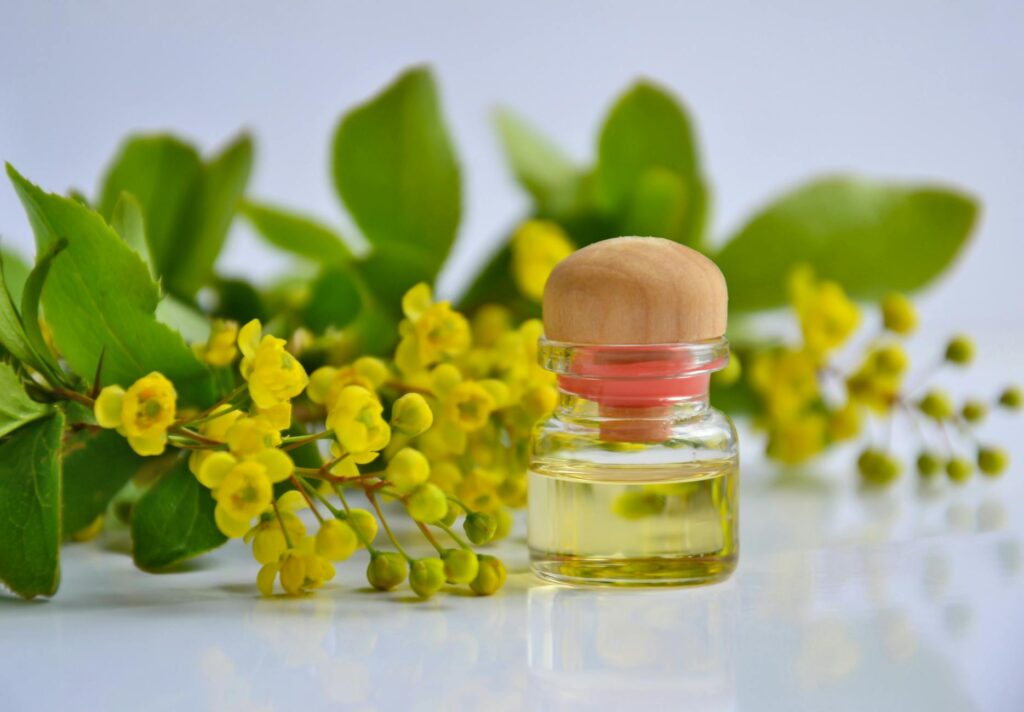
How to Use DIY Aromatherapy Recipes for Seasonal Skin Nourishment
Introduction
As the seasons change, so do the needs of our skin. Variations in temperature, humidity, and environmental conditions can all impact skin health. Aromatherapy, the practice of using essential oils to promote physical and emotional well-being, offers a natural approach to skin nourishment that can be tailored to fit the demands of each season. This article will explore DIY aromatherapy recipes specifically designed for seasonal skin nourishment, including their benefits, common uses, and safety considerations.
What Is DIY Aromatherapy Recipes for Seasonal Skin Nourishment?
DIY aromatherapy recipes involve the use of essential oils derived from plants, combined with carrier oils or other natural ingredients to create customized skin care products. These recipes can be adjusted based on the changing needs of the skin throughout the year. For example, during the dry winter months, skin may require more hydration and nourishment, while summer might call for lightweight formulations that offer protection from sun exposure.
By incorporating essential oils with skin-loving properties, these DIY recipes not only enhance the skin’s appearance but also provide a sensory experience that can uplift mood and promote relaxation.
Key Benefits and Properties
1. Moisturization: Many essential oils and carrier oils have emollient properties that help to lock in moisture and keep the skin hydrated.
2. Antioxidant Protection: Some essential oils, such as rosemary and lavender, contain antioxidants that can help combat free radicals, promoting skin health and vitality.
3. Anti-inflammatory Effects: Essential oils like chamomile and tea tree have anti-inflammatory properties that can soothe irritated skin, making them beneficial for seasonal skin issues such as redness or flare-ups.
4. Balancing Oil Production: Certain oils can help balance sebum production, making them useful for both dry and oily skin types.
5. Sensory Experience: The aromatic properties of essential oils can enhance relaxation and improve mood, contributing to overall well-being during seasonal transitions.
Common Uses
Winter Skin Care
- Moisturizing Balms: Rich formulations that protect against harsh winter winds.
- Hydrating Facial Oils: Lightweight yet nourishing oils that can help combat dryness.
- Revitalizing Sprays: Light, refreshing mists that hydrate and energize the skin.
- Exfoliating Scrubs: Blends that help remove dead skin cells and promote healthy cell turnover.
- Cooling Gels: Soothing formulations that help relieve sunburn and irritation.
- Lightweight Moisturizers: Oils that provide hydration without feeling greasy.
- Repairing Serums: Concentrated blends that help restore moisture and repair summer damage.
- Nourishing Creams: Heavier formulations that prepare the skin for the upcoming winter.
- Ingredients:
- 2 tablespoons beeswax
- 4 tablespoons coconut oil
- 2 tablespoons jojoba oil
- 10 drops of lavender essential oil
- 5 drops of chamomile essential oil
- Instructions:
- Ingredients:
- 1/2 cup distilled water
- 1/4 cup rose hydrosol
- 5 drops of geranium essential oil
- 5 drops of peppermint essential oil
- Instructions:
- Ingredients:
- 1/4 cup aloe vera gel
- 10 drops of peppermint essential oil
- 5 drops of tea tree essential oil
- Instructions:
- Ingredients:
- 2 tablespoons rosehip oil
- 1 tablespoon argan oil
- 5 drops of frankincense essential oil
- 5 drops of myrrh essential oil
- Instructions:
- Store in Dark Glass Bottles: Essential oils should be stored in dark glass containers to protect them from light degradation.
- Keep in a Cool, Dry Place: Avoid exposing oils and formulated products to heat or direct sunlight, as this can reduce their effectiveness.
- Check Expiration Dates: Essential oils typically have a shelf life of 1-3 years, while carrier oils can vary. Regularly check for any off smells or changes in consistency.
Spring Skin Care
Summer Skin Care
Autumn Skin Care
Aromatherapy Applications
DIY Recipes
1. Winter Moisturizing Balm
1. Melt beeswax and coconut oil in a double boiler.
2. Once melted, remove from heat and stir in jojoba oil.
3. Add essential oils and mix well.
4. Pour into a small container and let cool completely before use.
2. Spring Revitalizing Facial Spray
1. Combine all ingredients in a spray bottle.
2. Shake well before each use.
3. Spritz on the face throughout the day for a refreshing boost.
3. Summer Soothing Gel
1. In a bowl, combine aloe vera gel with essential oils.
2. Mix until well incorporated.
3. Store in a cool place and apply as needed for sunburn relief.
4. Autumn Repairing Serum
1. Mix all oils in a small dropper bottle.
2. Apply a few drops to a clean face before bedtime.
Safety Considerations
When using essential oils, it is important to consider the following safety guidelines:
1. Dilution: Always dilute essential oils with a carrier oil before applying them to the skin to avoid irritation.
2. Patch Testing: Conduct a patch test on a small area of skin to check for sensitivity or allergic reactions.
3. Quality of Oils: Use high-quality, pure essential oils from reputable sources to ensure safety and efficacy.
4. Avoid Certain Oils: Some essential oils can be phototoxic (e.g., citrus oils) and should be avoided before sun exposure.
5. Consult Professionals: If you have pre-existing skin conditions or are pregnant, consult a healthcare professional before using essential oils.
Storage and Shelf Life
Proper storage is crucial for maintaining the quality of essential oils and DIY recipes. Here are some tips:
Frequently Asked Questions
Can I use essential oils directly on my skin?
No, essential oils should always be diluted with a carrier oil before applying to the skin to prevent irritation or allergic reactions.
Are there any essential oils I should avoid in DIY skin care recipes?
Yes, certain oils such as cinnamon, clove, and oregano can be overly irritating to the skin and should be used with caution or avoided altogether.
How often can I use my DIY aromatherapy recipes?
This will depend on the specific recipe and your skin type. Generally, moisturizing products can be used daily, while exfoliating scrubs may only be suitable for use once or twice a week.
Can I modify the recipes to fit my skin type?
Absolutely! Feel free to adjust the essential oils and carrier oils based on your individual skin needs. For example, use tea tree oil for oily skin or avocado oil for dry skin.
How can I tell if an essential oil is of high quality?
Look for oils that are labeled as 100% pure, therapeutic grade, and sourced from reputable suppliers. Avoid oils that contain synthetic additives or fillers.
Conclusion
DIY aromatherapy recipes provide a versatile and natural way to nourish the skin through the changing seasons. By understanding the benefits and applications of essential oils, individuals can create customized skin care solutions that not only enhance their skin’s health but also offer a delightful aromatic experience. With careful attention to safety and proper storage, these recipes can become a cherished part of your seasonal skin care routine.