
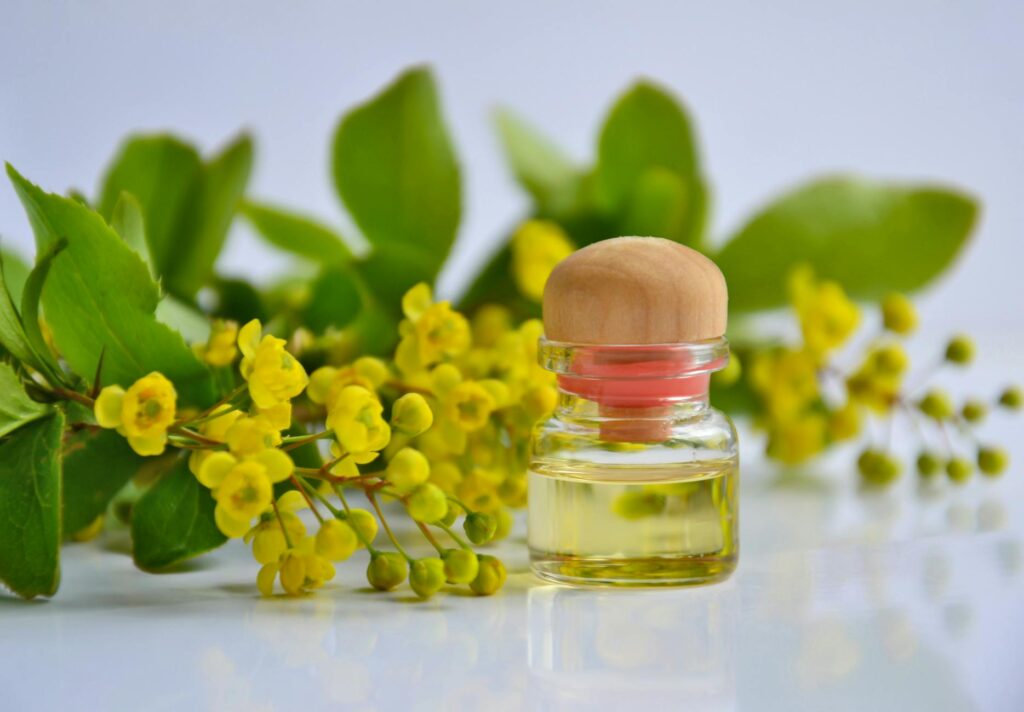
How to Use DIY Aromatherapy Recipes for Seasonal Skin Protection
Introduction
As the seasons change, so do the needs of our skin. Whether it’s the dryness of winter, the humidity of summer, or the allergens of spring, our skin often requires additional care and protection. Aromatherapy, the practice of using essential oils for therapeutic benefits, offers a natural approach to enhancing skin health. DIY aromatherapy recipes can be tailored to address seasonal skin challenges while providing a sensory experience that promotes relaxation and well-being.
This article explores the concept of DIY aromatherapy for seasonal skin protection, detailing its benefits, common applications, safety considerations, and frequently asked questions to help you create your skin-loving potions at home.
What Is DIY Aromatherapy Recipes for Seasonal Skin Protection?
DIY aromatherapy recipes for seasonal skin protection involve the use of essential oils blended with carrier oils or other natural ingredients to create topical applications. These recipes can be tailored to address specific skin concerns related to each season, such as dryness, irritation, or excessive oiliness. By harnessing the properties of essential oils, these DIY blends can provide nourishment and protection while enhancing the skin’s natural barrier.
Key Benefits and Properties
1. Hydration: Many essential oils, when diluted in carrier oils, can help lock in moisture and prevent dehydration, making them ideal for dry winter skin.
2. Soothing: Certain oils have anti-inflammatory properties that can soothe irritated or sensitive skin, particularly during the allergy-heavy seasons of spring and fall.
3. Antioxidant Protection: Essential oils like lavender and frankincense contain antioxidants that may help protect the skin from environmental stressors, including pollution and UV exposure.
4. Balancing: Some oils, such as tea tree and geranium, have balancing properties that can help regulate oil production, making them suitable for summer months when skin may become more oily.
5. Aromatherapy Benefits: In addition to skin protection, the aromatic qualities of essential oils can enhance mood and promote relaxation, contributing to overall well-being.
Common Uses
DIY aromatherapy recipes can be employed in various ways to support skin health throughout the year. Here are some common uses:
- Moisturizing Oils: Blending essential oils with carrier oils to create a hydrating moisturizer suitable for seasonal skin needs.
- Body Scrubs: Combining essential oils with natural exfoliants like sugar or salt for a rejuvenating scrub that can help remove dead skin cells.
- Facial Serums: Formulating lightweight serums that can nourish the skin without clogging pores, ideal for oily or combination skin.
- Balms: Crafting protective balms to soothe chapped lips or dry patches, especially during winter months.
- Bath Blends: Creating bath oils infused with essential oils to provide skin benefits while promoting relaxation.
- 2 tablespoons of jojoba oil (carrier oil)
- 5 drops of lavender essential oil
- 3 drops of frankincense essential oil
- 2 drops of geranium essential oil
- 2 tablespoons of coconut oil (carrier oil)
- 5 drops of chamomile essential oil
- 5 drops of tea tree essential oil
- 1 drop of peppermint essential oil
- 2 tablespoons of grapeseed oil (carrier oil)
- 5 drops of tea tree essential oil
- 3 drops of lavender essential oil
- 2 drops of bergamot essential oil
- 1 cup of brown sugar
- 1/2 cup of olive oil (carrier oil)
- 5 drops of orange essential oil
- 5 drops of cinnamon essential oil
- Storage Containers: Use dark glass bottles to protect oils from light, which can degrade their quality.
- Cool, Dry Place: Store your blends in a cool, dry place away from direct sunlight and heat sources.
- Shelf Life: Most essential oils have a shelf life of 1-3 years, while carrier oils can last 6 months to 2 years, depending on the type. Check for any changes in scent or appearance before use.
Aromatherapy Applications
Creating your own DIY aromatherapy recipes for seasonal skin protection is simple. Below are some popular essential oil blends tailored for specific seasonal concerns.
Winter Moisturizing Blend
Ingredients:
Instructions:
1. In a small glass dropper bottle, combine the jojoba oil and essential oils.
2. Shake gently to mix.
3. Apply a few drops to damp skin after bathing to lock in moisture.
Spring Soothing Balm
Ingredients:
Instructions:
1. Melt the coconut oil in a double boiler.
2. Remove from heat and let it cool slightly before adding the essential oils.
3. Pour into a small jar and allow to solidify. Use on irritated areas of skin.
Summer Balancing Serum
Ingredients:
Instructions:
1. Combine all ingredients in a roller bottle.
2. Shake well before each use.
3. Apply a small amount to the face after cleansing.
Fall Rejuvenating Scrub
Ingredients:
Instructions:
1. Mix all ingredients in a bowl until well combined.
2. Store in a sealed jar.
3. Use in the shower to exfoliate and nourish the skin.
Safety Considerations
While DIY aromatherapy can be beneficial, it is essential to practice safety when using essential oils:
1. Dilution: Always dilute essential oils with a carrier oil before applying them to the skin. A general guideline is to use a 2% dilution (12 drops of essential oil per ounce of carrier oil) for topical applications.
2. Patch Test: Conduct a patch test before using any new blend on a larger area of skin. Apply a small amount on the inner forearm and observe for any reactions over 24 hours.
3. Quality of Oils: Use high-quality, pure essential oils from reputable suppliers. Look for oils that are labeled as therapeutic grade and free from additives.
4. Avoid Sensitive Areas: Do not apply essential oils near the eyes, mucous membranes, or broken skin.
5. Consultation: If you have specific skin conditions or are pregnant, consult with a qualified healthcare professional before using essential oils.
Storage and Shelf Life
To ensure the longevity and efficacy of your DIY aromatherapy blends, consider the following storage tips:
Frequently Asked Questions
Can I use essential oils if I have sensitive skin?
Yes, but it is crucial to dilute essential oils properly and conduct a patch test first. Some oils, such as chamomile or lavender, may be gentler on sensitive skin.
Are there any essential oils I should avoid during pregnancy?
Certain essential oils, such as rosemary, sage, and peppermint, may not be suitable during pregnancy. Always consult with a healthcare professional if you are pregnant or nursing.
How can I customize recipes for my specific skin type?
Consider your skin’s needs and choose essential oils accordingly. For oily skin, oils like tea tree or lemon may be beneficial, while dry skin can benefit from oils like rose or sandalwood.
Can I use essential oils in my bath?
Yes, but be sure to dilute them in a carrier oil or an emulsifier, like milk or Epsom salts, to prevent skin irritation. Add the mixture to warm bathwater for a soothing experience.
What are the best carrier oils for facial blends?
Some popular carrier oils for facial blends include jojoba oil, rosehip oil, and sweet almond oil. Each has unique properties that can benefit different skin types.
Conclusion
DIY aromatherapy recipes for seasonal skin protection offer a creative and natural way to care for your skin throughout the year. By understanding the properties of essential oils and combining them effectively with carrier oils, you can create personalized blends that address your skin’s specific needs. Remember to prioritize safety and quality, and enjoy the process of nurturing your skin and senses with these aromatic creations.