
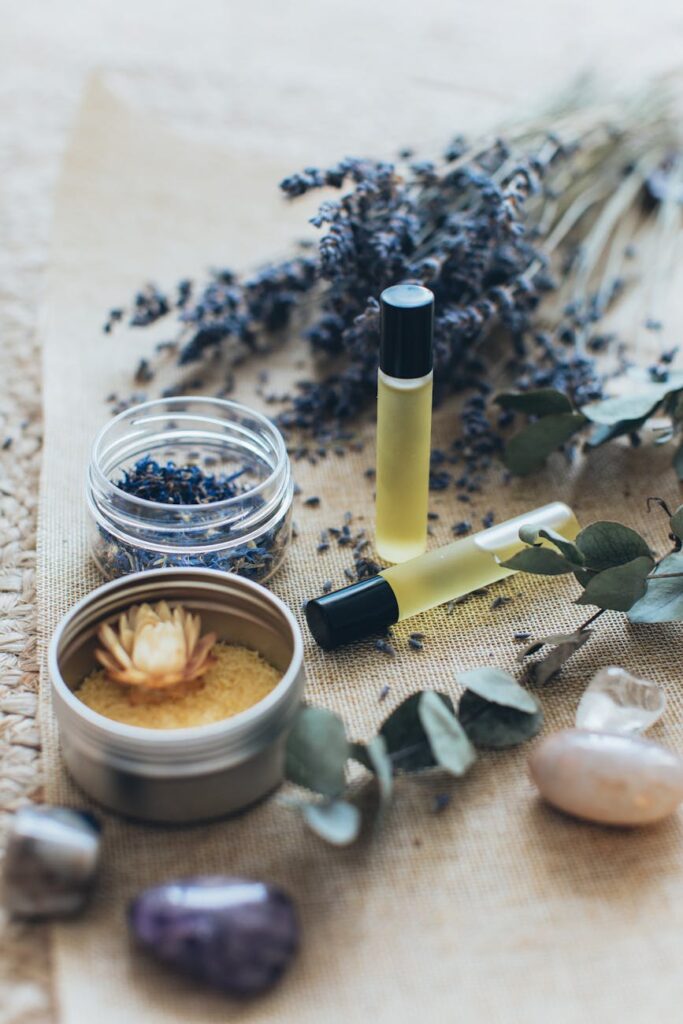
How to Use DIY Aromatherapy Recipes for Skin Healing with Lavender Oil
Introduction
Aromatherapy, the practice of using essential oils for therapeutic purposes, has gained popularity worldwide for its numerous benefits. Among the array of essential oils available, lavender oil stands out due to its versatility and soothing properties. This article will explore how to create DIY aromatherapy recipes for skin healing using lavender oil, highlighting its benefits, common uses, and safe application methods.
What Is DIY Aromatherapy Recipes for Skin Healing with Lavender Oil?
DIY aromatherapy recipes harness the natural properties of essential oils to create blends that can support skin health and overall well-being. Lavender oil, derived from the flowers of the Lavandula angustifolia plant, is known for its calming aroma and skin-friendly characteristics. When incorporated into homemade recipes, lavender oil can promote relaxation while offering potential skin benefits.
These recipes may include a variety of carrier oils, herbal infusions, and other essential oils, combined to create effective formulations for various skin concerns. The DIY approach allows individuals to customize their blends, enabling them to tailor the ingredients to their specific needs and preferences.
Key Benefits and Properties
Lavender oil is celebrated for its numerous beneficial properties:
1. Antimicrobial: Lavender oil has demonstrated antimicrobial activity, making it useful in formulations aimed at promoting skin cleanliness.
2. Anti-inflammatory: The oil can help soothe irritated skin, providing relief from redness and swelling.
3. Calming and Relaxing: The soothing aroma of lavender can reduce stress and anxiety, promoting a sense of calm that may indirectly benefit skin health.
4. Wound Healing: Some studies suggest that lavender oil can enhance the healing process of minor cuts and abrasions.
5. Moisturizing: When blended with appropriate carrier oils, lavender oil can contribute to skin hydration, preventing dryness and improving texture.
6. Antioxidant Properties: Lavender oil contains compounds that can help combat oxidative stress, potentially contributing to healthier skin.
Common Uses
Lavender oil can be utilized effectively in various DIY recipes for skin healing. Some of the most common applications include:
1. Soothing Skin Balms: Lavender oil can be blended with carrier oils and beeswax to create a soothing balm for dry or irritated skin.
2. Facial Serums: A blend of lavender oil with a carrier oil like jojoba or sweet almond can produce a nourishing serum for daily skincare routines.
3. Bath Soaks: Adding lavender oil to bath salts or oils can create a relaxing soak that benefits both the skin and the mind.
4. Compresses and Sprays: Lavender-infused water can be used in compresses for targeted application on inflamed areas or as a facial mist.
5. Cleansing Products: Lavender oil can be incorporated into homemade cleansers for its antimicrobial properties.
Aromatherapy Applications
Incorporating lavender oil into your skincare routine can be done in several ways:
1. Lavender Infused Carrier Oil
Creating a lavender-infused carrier oil can serve as a base for various applications.
- Ingredients:
- Dried lavender flowers
- Carrier oil (e.g., sweet almond oil, coconut oil)
- Instructions:
- Ingredients:
- 1/2 cup lavender-infused oil
- 1/4 cup beeswax
- 10 drops of lavender essential oil
- Instructions:
- Ingredients:
- 2 tablespoons jojoba oil
- 1 tablespoon rosehip oil
- 5 drops of lavender essential oil
- Instructions:
- Ingredients:
- 1 cup Epsom salt
- 1/2 cup baking soda
- 20 drops of lavender essential oil
- Optional: dried lavender flowers
- Instructions:
- Ingredients:
- 1 cup distilled water
- 10 drops of lavender essential oil
- Instructions:
1. Place dried lavender flowers in a jar.
2. Cover with the carrier oil, ensuring the flowers are fully submerged.
3. Seal the jar and let it sit in a warm, dark place for 1-2 weeks.
4. Strain the oil and store it in a dark glass bottle.
2. Lavender Healing Balm
This balm can be used to soothe dry or irritated skin.
1. Melt the beeswax in a double boiler.
2. Once melted, add the lavender-infused oil and stir until combined.
3. Remove from heat and add lavender essential oil.
4. Pour into containers and allow to cool.
3. Lavender Facial Serum
A nourishing serum that can be used daily.
1. Combine all ingredients in a small dropper bottle.
2. Shake gently to mix.
3. Apply a few drops to the face after cleansing.
4. Relaxing Lavender Bath Soak
A great way to unwind while benefiting your skin.
1. Combine Epsom salt, baking soda, and lavender essential oil in a bowl.
2. Add dried lavender flowers if desired.
3. Store in a jar and add to bathwater when ready to use.
5. Lavender Skin Spray
A refreshing facial mist that can soothe irritated skin.
1. Combine distilled water and lavender oil in a spray bottle.
2. Shake well before each use.
3. Spray on the face as needed throughout the day.
Safety Considerations
While lavender oil is generally regarded as safe for topical use, it is essential to consider the following:
1. Patch Test: Always perform a patch test before using a new essential oil or DIY blend on the skin. Apply a small amount to a discreet area and wait 24 hours to check for any adverse reactions.
2. Dilution: Essential oils should always be diluted with a carrier oil before applying to the skin to reduce the risk of irritation.
3. Pregnancy and Nursing: Pregnant or nursing individuals should consult with a healthcare professional before using essential oils.
4. Avoid Eyes and Mucous Membranes: Keep lavender oil and its blends away from the eyes and mucous membranes.
5. Children: Lavender oil can generally be used in children over two years old, but always consult with a healthcare provider for specific recommendations.
Storage and Shelf Life
Proper storage of essential oil blends and DIY recipes is crucial for maintaining their potency and effectiveness. Here are some guidelines:
1. Storage: Store all essential oil products in dark glass containers to protect them from light, which can degrade the oils. Keep them in a cool, dark place, away from direct sunlight and heat sources.
2. Shelf Life: The shelf life of DIY recipes varies based on the ingredients used. Generally, infused oils can last up to a year, while balms and serums may have a shelf life of 6-12 months. Always check for any changes in smell, color, or consistency before use.
Frequently Asked Questions
1. Can lavender oil be used on all skin types?
Lavender oil is generally suitable for most skin types, but individuals with sensitive skin should perform a patch test before widespread use.
2. Is lavender oil safe for children?
Lavender oil can be safely used on children over two years old, but it is advisable to consult a healthcare professional for specific guidance.
3. How often can I use lavender oil on my skin?
The frequency of use depends on the individual and the specific recipe. Generally, using lavender-infused products 1-2 times daily is safe for most people.
4. Can I mix lavender oil with other essential oils?
Yes, lavender oil blends well with various essential oils, including tea tree, chamomile, and frankincense, allowing for customized formulations.
5. What should I do if I experience an allergic reaction?
If you experience any adverse reactions after using lavender oil, discontinue use immediately and consult a healthcare professional if necessary.
Conclusion
DIY aromatherapy recipes using lavender oil offer a natural and effective way to support skin healing and promote overall well-being. By understanding the benefits, common uses, and safety considerations, individuals can confidently incorporate lavender oil into their skincare routines. As with all DIY projects, it is essential to approach aromatherapy with knowledge and care, ensuring the best outcomes for skin health.