
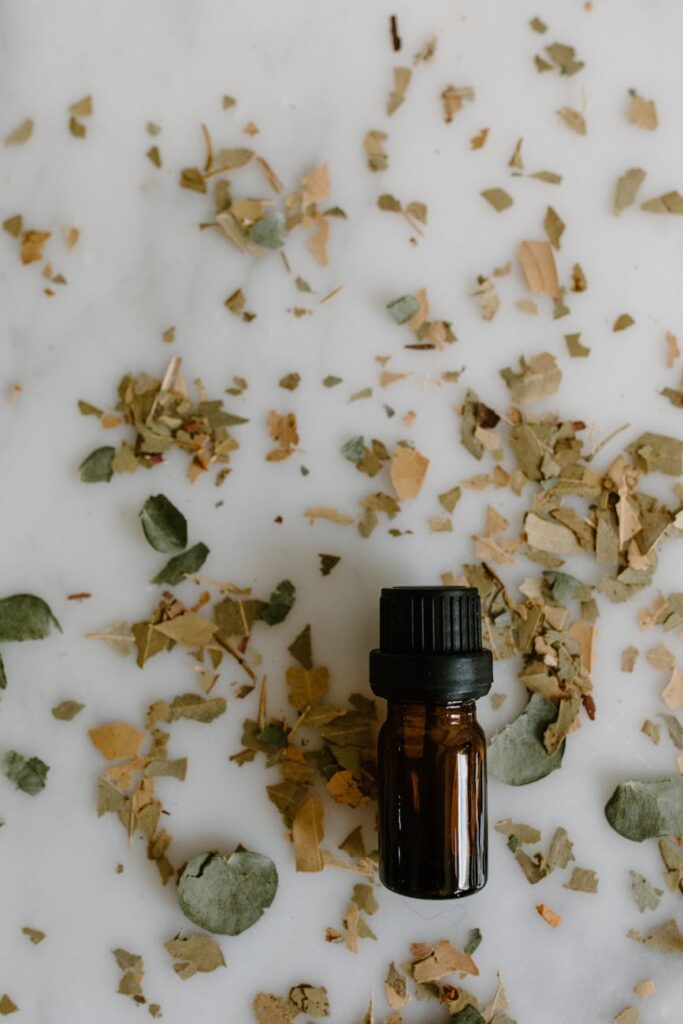
How to Use DIY Aromatherapy Recipes for Sleep Support with Ylang Ylang Oil
Introduction
In a world where stress and anxiety can disrupt our natural rhythms, finding effective ways to support sleep has become essential. Aromatherapy, particularly through the use of essential oils, offers a holistic approach to fostering relaxation and improving sleep quality. Among the myriad of essential oils available, Ylang Ylang oil stands out for its soothing properties. This article explores how to use DIY aromatherapy recipes featuring Ylang Ylang oil to support sleep, enhancing your nighttime routine naturally and effectively.
What Is DIY Aromatherapy Recipes for Sleep Support with Ylang Ylang Oil?
DIY aromatherapy recipes involve the use of essential oils to create personalized blends that can cater to specific needs—in this case, sleep support. Ylang Ylang oil, derived from the flowers of the Cananga odorata tree, is celebrated for its calming and uplifting effects. When incorporated into sleep-supportive recipes, it can help create an environment conducive to restful slumber.
Creating your own aromatherapy blends allows for customization, ensuring that the scents and effects resonate with your personal preferences. By understanding the properties of Ylang Ylang, you can effectively harness its benefits for sleep through various methods like diffusion, topical application, and bath soaks.
Key Benefits and Properties
Ylang Ylang oil offers a range of benefits that make it particularly suitable for sleep support:
- Calming Properties: Known for its tranquilizing effects, Ylang Ylang oil may help reduce feelings of anxiety and promote a sense of peace.
- Mood Enhancement: The oil is often used to uplift mood, potentially alleviating stress that can interfere with sleep.
- Sedative Effects: Some studies suggest that Ylang Ylang oil may act as a natural sedative, helping to induce a state of relaxation conducive to sleep.
- Hormonal Balance: The oil is believed to have potential benefits on hormonal balance, which can be particularly useful for those experiencing sleep disturbances related to hormonal fluctuations.
- 5 drops Ylang Ylang oil
- 3 drops Lavender oil
- 2 drops Bergamot oil
- 1 tablespoon carrier oil (such as sweet almond or jojoba oil)
- 5 drops Ylang Ylang oil
- 3 drops Chamomile oil
- 1 cup Epsom salt
- 10 drops Ylang Ylang oil
- 5 drops Lavender oil
- 1 cup distilled water
- 1 tablespoon witch hazel (optional, as an emulsifier)
- 2 drops Ylang Ylang oil
- Cotton ball or small piece of fabric
- Dilution: Always dilute essential oils with a carrier oil for topical applications to prevent skin irritation.
- Sensitivity: Conduct a patch test before widespread use to ensure there is no adverse reaction.
- Pregnancy and Nursing: Pregnant or nursing individuals should consult a healthcare provider before using essential oils.
- Allergies: If you have allergies to flowers or plants in the same family as Ylang Ylang, exercise caution and consult a professional before use.
- Contraindications: People with certain health conditions, such as low blood pressure, should avoid Ylang Ylang oil.
- Containers: Store essential oils in dark glass bottles to protect them from light degradation.
- Cool, Dry Place: Keep oils in a cool, dry place away from direct sunlight and heat.
- Shelf Life: Most essential oils have a shelf life of 1-3 years, depending on the type and storage conditions. Ylang Ylang oil typically lasts for about 2-3 years.
These properties make Ylang Ylang a valuable addition to any sleep-support regimen.
Common Uses
Ylang Ylang oil can be used in several ways to promote relaxation and support sleep. Here are some common applications:
1. Diffusion: Adding a few drops of Ylang Ylang oil to a diffuser can help disperse its calming aroma throughout a room, creating a serene atmosphere.
2. Topical Application: When diluted with a carrier oil, Ylang Ylang can be applied to pulse points (such as wrists or neck) to help promote relaxation and sleepiness.
3. Bath Soaks: Incorporating Ylang Ylang oil into a warm bath can create a soothing experience that encourages relaxation before bedtime.
4. Sleep Pillows: A few drops of Ylang Ylang oil on a cotton ball placed inside a pillowcase can infuse your bedding with calming scents.
Aromatherapy Applications
1. Ylang Ylang Sleep Blend
Ingredients:
Instructions:
1. In a small glass bottle, combine all essential oils with the carrier oil.
2. Shake gently to mix.
3. Apply a small amount to pulse points before bedtime.
2. Calming Bath Soak
Ingredients:
Instructions:
1. In a bowl, combine Epsom salt with essential oils.
2. Stir well until the oils are evenly distributed.
3. Add the mixture to a warm bath and soak for at least 20 minutes to unwind.
3. Sleepy Time Room Spray
Ingredients:
Instructions:
1. In a spray bottle, combine all ingredients.
2. Shake well before use.
3. Spray in your bedroom before sleep to create a calming environment.
4. Ylang Ylang Sleep Pillow
Ingredients:
Instructions:
1. Add the Ylang Ylang oil to the cotton ball or fabric.
2. Place it inside your pillowcase or under your pillow.
3. Enjoy the calming scent as you drift off to sleep.
Safety Considerations
While Ylang Ylang oil is generally safe when used appropriately, some precautions should be taken:
Storage and Shelf Life
Proper storage is essential to maintain the quality and effectiveness of Ylang Ylang oil and your DIY blends:
Frequently Asked Questions
Q1: Can I use Ylang Ylang oil every night for sleep?
Yes, many people find using Ylang Ylang oil beneficial for sleep. However, it’s advisable to monitor your body’s response and take breaks if needed.
Q2: What are some other essential oils that can support sleep?
Other essential oils known for their sleep-supporting properties include Lavender, Chamomile, Bergamot, and Cedarwood. Combining these with Ylang Ylang can enhance the overall effect.
Q3: Can I use Ylang Ylang oil with children?
While Ylang Ylang oil is generally considered safe for children, it’s essential to dilute it appropriately and consult with a pediatrician before use.
Q4: How can I incorporate Ylang Ylang oil into my daily routine?
In addition to nighttime applications, Ylang Ylang oil can be used in diffusers during the day to promote relaxation and reduce stress. It can also be added to skincare routines when mixed with a carrier oil.
Q5: Is there a difference between Ylang Ylang oil grades?
Yes, Ylang Ylang oil comes in different grades based on the distillation process. Ylang Ylang Complete is the highest quality and has the full spectrum of aroma and therapeutic properties, while Ylang Ylang Extra and Ylang Ylang I, II, III are derived from subsequent distillations and may have different characteristics.
Conclusion
Incorporating DIY aromatherapy recipes with Ylang Ylang oil into your sleep routine can be a delightful and effective way to foster relaxation and improve sleep quality. By understanding its properties, benefits, and safe usage, you can create a personalized approach to sleep support that resonates with your individual needs. With the right recipes and techniques, you can enjoy the soothing embrace of Ylang Ylang oil as you drift off into a restful night’s sleep.