
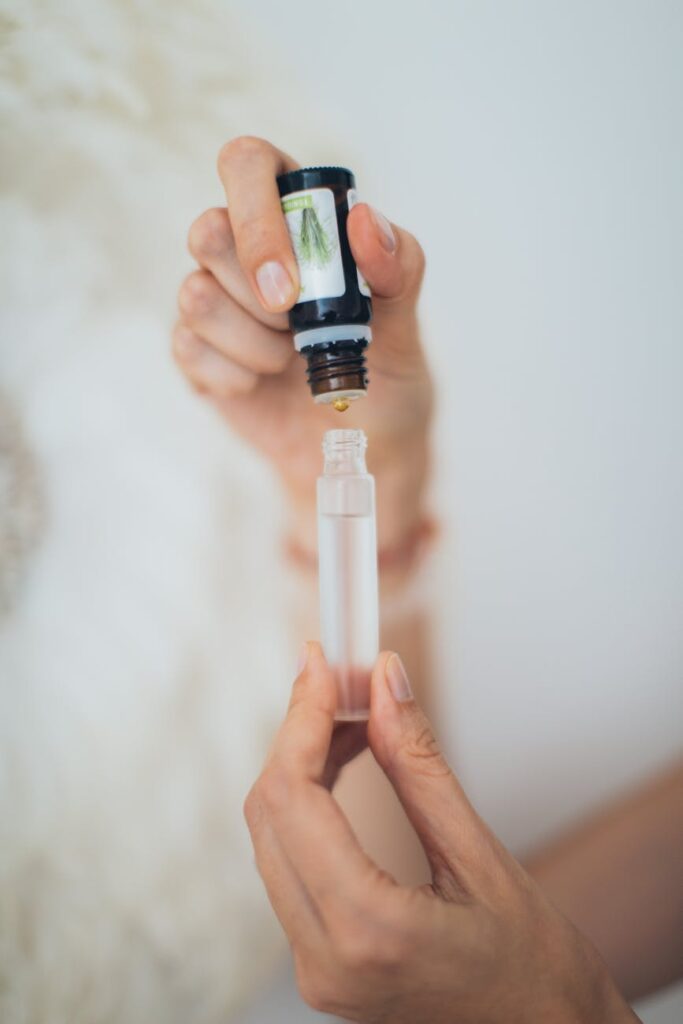
How to Use DIY Aromatherapy Recipes for Stress Relief with Vetiver Oil
Introduction
In today’s fast-paced world, stress has become an unwelcome companion for many individuals. While modern solutions often focus on pharmaceuticals, many are turning back to nature for relief. Aromatherapy, particularly through the use of essential oils, offers a holistic approach to stress management. Among the plethora of essential oils available, vetiver oil stands out due to its calming and grounding properties. This article will explore how to harness the benefits of vetiver oil through DIY aromatherapy recipes to relieve stress.
What Is DIY Aromatherapy Recipes for Stress Relief with Vetiver Oil?
DIY aromatherapy involves the creation of personalized blends using essential oils to support emotional and physical well-being. Vetiver oil, derived from the roots of the Vetiveria zizanoides plant, is renowned for its rich, earthy scent and is often referred to as the “oil of tranquility.” It is believed to help calm the mind, enhance mental clarity, and promote relaxation, making it a valuable addition to any stress-relief toolkit.
Creating your own aromatherapy recipes allows for customization tailored to individual preferences and needs. By combining vetiver oil with other complementary essential oils, you can enhance the overall therapeutic effects while also enjoying a unique olfactory experience.
Key Benefits and Properties
Vetiver oil is celebrated for its diverse range of benefits:
- Calming and Grounding: The earthy aroma of vetiver helps to stabilize emotions and reduce anxiety. Its calming nature makes it an excellent choice for individuals seeking to create a peaceful environment.
- Stress Reduction: Vetiver has been associated with lowering cortisol levels, the hormone linked to stress. Its soothing properties can help alleviate feelings of tension and promote a sense of calm.
- Improved Sleep Quality: The relaxing effects of vetiver oil can contribute to better sleep, making it a popular choice for those who struggle with insomnia or restless nights.
- Enhancement of Mental Clarity: While promoting relaxation, vetiver oil may also aid in mental clarity, helping to clear the mind and improve focus.
- Diffusion: When used in a diffuser, vetiver oil fills a room with its calming aroma, creating a tranquil atmosphere ideal for relaxation or meditation.
- Topical Application: When diluted in a carrier oil, vetiver can be applied to pulse points or massaged into the skin for localized relief from stress.
- Bath Soaks: Adding vetiver oil to a warm bath can provide a soothing experience, enhancing relaxation and promoting a sense of well-being.
- Inhalation: Simple inhalation techniques, such as placing a drop of vetiver oil on a tissue or cotton ball, can offer immediate stress relief.
- 10 drops of vetiver essential oil
- 10 drops of lavender essential oil
- 2 ounces of distilled water
- 1 ounce of witch hazel or vodka (as a preservative)
- 5 drops of vetiver essential oil
- 5 drops of sweet orange essential oil
- 2 tablespoons of carrier oil (such as jojoba or almond oil)
- 8 drops of vetiver essential oil
- 1 cup of Epsom salt
- 1 tablespoon of carrier oil (optional)
- 3 drops of vetiver essential oil
- 3 drops of chamomile essential oil
- 3 drops of bergamot essential oil
- Dilution: Always dilute essential oils in a carrier oil before applying them to the skin to prevent irritation.
- Patch Test: Conduct a patch test before using a new essential oil blend to check for any allergic reactions or sensitivity.
- Pregnancy and Nursing: Consult with a healthcare professional before using essential oils during pregnancy or while nursing.
- Medical Conditions: If you have any pre-existing medical conditions or are on medications, seek advice from a qualified professional before using vetiver oil.
- Children: Use caution when applying essential oils around children. It is recommended to consult with a pediatrician.
- Cool, Dark Place: Store essential oils in a cool, dark place away from direct sunlight. A cupboard or a cabinet is ideal.
- Sealed Containers: Ensure that bottles are tightly sealed to prevent oxidation and evaporation.
- Shelf Life: Generally, essential oils can last between 1 to 3 years if stored correctly. Vetiver oil, in particular, has a longer shelf life due to its high viscosity and chemical composition.
Common Uses
Vetiver oil can be utilized in various forms within aromatherapy:
Aromatherapy Applications
Here are several DIY recipes that incorporate vetiver oil for stress relief:
1. Vetiver and Lavender Calming Mist
Ingredients:
Instructions:
1. Combine all ingredients in a spray bottle.
2. Shake well before each use.
3. Spray around your living space, on linens, or as a personal fragrance.
2. Vetiver Relaxation Massage Oil
Ingredients:
Instructions:
1. Mix the essential oils with the carrier oil in a small bowl.
2. Massage the blend into areas of tension, such as the shoulders and neck.
3. Vetiver Bath Soak
Ingredients:
Instructions:
1. Combine all ingredients in a bowl and mix well.
2. Add the mixture to a warm bath and soak for at least 20 minutes.
4. Vetiver Inhalation Blend
Ingredients:
Instructions:
1. Inhale the blend directly from the bottle or place the oils on a cotton ball and inhale deeply.
Safety Considerations
While vetiver oil is generally considered safe for use, several precautions should be observed:
Storage and Shelf Life
To maintain the efficacy of vetiver oil and other essential oils, proper storage is essential:
Frequently Asked Questions
1. Can I use vetiver oil on my skin?
Yes, vetiver oil can be used on the skin, but it should always be diluted in a carrier oil to prevent irritation.
2. How often can I use vetiver oil for stress relief?
The frequency of use can vary based on personal preference and tolerance. However, it is generally safe to use vetiver oil several times a day if diluted properly.
3. Is vetiver oil safe for children?
Vetiver oil can be used around children, but it is best to consult with a pediatrician for age-appropriate dilution ratios.
4. Can I mix vetiver oil with other essential oils?
Yes, vetiver oil blends well with various essential oils, including lavender, chamomile, and bergamot, enhancing the overall therapeutic effects.
5. What is the best method to diffuse vetiver oil?
Using an essential oil diffuser is the most effective way to disperse vetiver oil into the air. Alternatively, you can use a personal inhaler or simply place a few drops on a cotton ball.
Conclusion
Vetiver oil is a powerful ally in the journey toward stress relief and emotional well-being. By incorporating DIY aromatherapy recipes, individuals can tailor their approach to suit their unique needs. Whether through diffusion, topical application, or soothing baths, vetiver oil can provide a grounding influence in an increasingly chaotic world. As you explore these recipes and tips, remember to prioritize safety and personal preference, ensuring your experience with vetiver oil is both enjoyable and beneficial.