
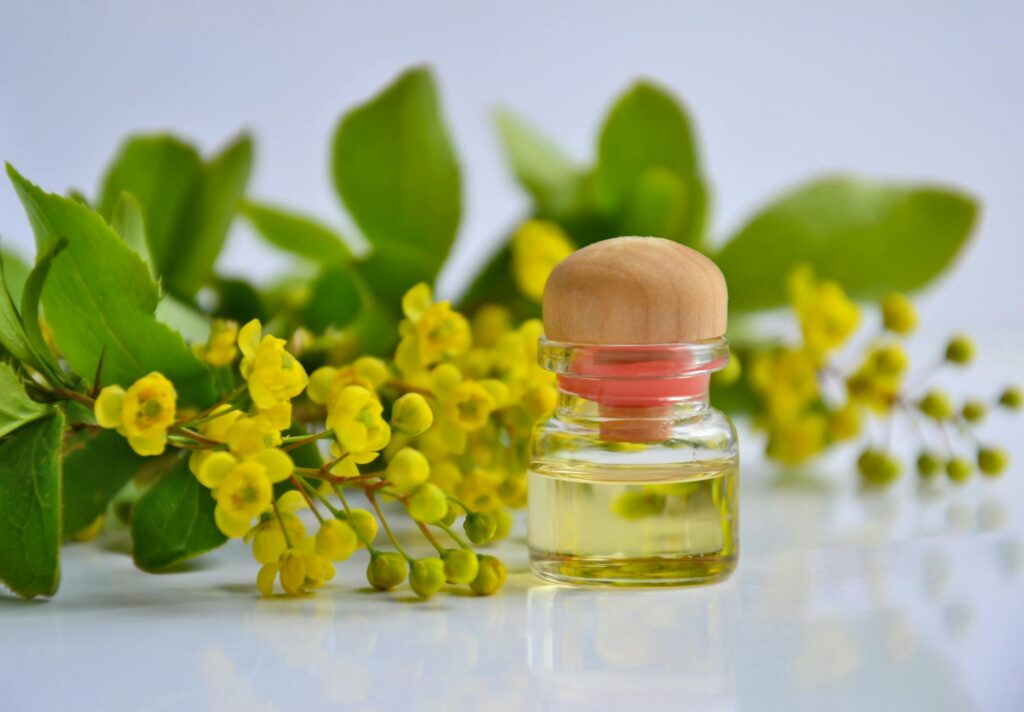
How to Use Echinacea Extract
Introduction
Echinacea, a flowering plant in the daisy family, has long been celebrated for its potential health benefits. Commonly referred to as coneflower, this herb is native to North America and has been used by Indigenous peoples for centuries. With the rise of natural remedies, Echinacea extract has gained popularity in various forms, including tinctures, capsules, and essential oils. This article will explore what Echinacea extract is, its key benefits, common uses, and safety considerations, as well as its applications in aromatherapy.
What Is Echinacea Extract?
Echinacea extract is derived from the Echinacea plant, primarily Echinacea purpurea, Echinacea angustifolia, and Echinacea pallida. The extraction process typically involves using alcohol or glycerin to capture the plant’s beneficial compounds. These extracts can vary in concentration and are often marketed in liquid form, capsules, or as components in herbal blends.
The primary active compounds in Echinacea include polysaccharides, glycoproteins, and alkamides, which are believed to contribute to its potential health benefits. The extract is available in various forms, including tinctures, capsules, and topical applications.
Key Benefits and Properties
Echinacea extract is often lauded for its potential health-promoting properties. Some of the key benefits attributed to this herb include:
1. Immune Support: Echinacea is widely recognized for its role in supporting the immune system. Some studies suggest that it may help increase the production of white blood cells, which are vital for fighting off infections.
2. Anti-Inflammatory Properties: The extract may possess anti-inflammatory properties that can help alleviate symptoms associated with inflammation.
3. Antioxidant Effects: Echinacea is rich in antioxidants, which can help combat oxidative stress and protect cells from damage caused by free radicals.
4. Skin Health: Due to its anti-inflammatory and antimicrobial properties, Echinacea extract is sometimes used in topical applications for skin conditions.
5. Respiratory Health: Traditionally, Echinacea has been used to support respiratory health and may help relieve symptoms of the common cold.
While these benefits are widely discussed, it is essential to approach them with caution and conduct further research if considering Echinacea extract for specific health purposes.
Common Uses
Echinacea extract is utilized in various forms, each serving different purposes. Here are some common applications:
1. Tinctures and Liquid Extracts: These forms are typically taken sublingually (under the tongue) or mixed with water. They are often chosen for their rapid absorption and potency.
2. Capsules and Tablets: Echinacea in capsule form provides a convenient way to incorporate the herb into your daily routine. This method may appeal to those who prefer not to taste the extract.
3. Topical Applications: Creams or ointments containing Echinacea extract can be applied directly to the skin for localized benefits, such as soothing irritation or promoting skin health.
4. Herbal Teas: Dried Echinacea flowers and leaves can be brewed into herbal teas. This method offers a calming ritual while potentially delivering some of the plant’s benefits.
5. Aromatherapy Blends: Echinacea essential oil can be incorporated into aromatherapy blends for relaxation, stress relief, or respiratory support.
It is advisable to consult with a knowledgeable herbalist or healthcare professional to determine the best form and dosage for individual needs.
Aromatherapy Applications
Aromatherapy utilizes the therapeutic properties of essential oils for physical and emotional well-being. While Echinacea is more commonly known in its extract form, it can also play a role in aromatherapy. Here’s how:
1. Inhalation: Echinacea essential oil can be diffused in a space to create a soothing atmosphere. The aroma may help promote relaxation and support respiratory health.
2. Massage Blends: Combining Echinacea essential oil with carrier oils (like sweet almond or jojoba oil) can create an effective massage blend. This application may help alleviate muscle tension and boost overall wellness.
3. Bath Products: Adding Echinacea essential oil to bathwater can enhance the bathing experience. The warm water combined with the fragrant extract may help soothe both body and mind.
4. Room Sprays: Creating a room spray with Echinacea essential oil mixed with water can help purify the air and impart a pleasant aroma, contributing to a calming environment.
When using Echinacea in aromatherapy, it is crucial to dilute the essential oil appropriately and conduct a patch test to ensure no adverse skin reactions occur.
Safety Considerations
While Echinacea extract is generally considered safe for most people, there are several safety considerations to keep in mind:
1. Allergic Reactions: Individuals with allergies to plants in the Asteraceae family (like ragweed, marigolds, or chrysanthemums) may be more likely to experience allergic reactions to Echinacea.
2. Pregnancy and Lactation: Pregnant and nursing women should consult a healthcare provider before using Echinacea, as limited research exists on its safety during these periods.
3. Medication Interactions: Echinacea may interact with certain medications, including immunosuppressants and anticoagulants. Always consult a healthcare professional if you are on medication.
4. Underlying Health Conditions: Individuals with autoimmune diseases or those undergoing treatment for chronic illnesses should seek advice from a healthcare provider before using Echinacea extract.
5. Dosage: It is important to adhere to recommended dosages, as excessive consumption may lead to side effects such as gastrointestinal upset or dizziness.
Storage and Shelf Life
Proper storage of Echinacea extract is essential to maintain its potency and effectiveness. Here are some guidelines:
1. Cool, Dark Place: Store Echinacea extract in a cool, dark place, away from direct sunlight and heat, which can degrade the active compounds.
2. Tightly Sealed Containers: Ensure that the container is tightly sealed to prevent exposure to air and moisture, which can compromise the extract’s quality.
3. Shelf Life: The shelf life of Echinacea extract varies depending on the form and manufacturer. Generally, liquid extracts can last for about 1-2 years, while capsules may have a longer shelf life. Always check the expiration date on the packaging.
4. Refrigeration: Some users prefer to refrigerate Echinacea tinctures after opening; while not always necessary, it can help extend shelf life.
Regularly inspect the extract for any changes in color, smell, or consistency, as these may indicate spoilage.
Frequently Asked Questions
1. How do I take Echinacea extract?
Echinacea extract can be taken as a tincture, capsule, or in tea form. Follow the manufacturer’s instructions for dosage and method of consumption.
2. Can I use Echinacea extract topically?
Yes, but it is essential to dilute the extract with a carrier oil before applying it to the skin to prevent irritation.
3. Is Echinacea safe for children?
Consult a healthcare professional before administering Echinacea to children, as safety and dosage guidelines can vary based on age and health conditions.
4. How long does it take for Echinacea to work?
The time it takes for Echinacea to show effects can vary depending on the individual, the form used, and the purpose for which it is taken. Some may experience benefits within a few days, while others may take longer.
5. Can I combine Echinacea with other herbs?
While Echinacea is often blended with other herbal ingredients, it is advisable to consult a knowledgeable herbalist or healthcare provider to ensure compatibility and safety.
Conclusion
Echinacea extract offers a range of potential benefits and applications, making it a popular choice for those interested in herbal remedies. From immune support to aromatherapy applications, its versatility is noteworthy. However, it is essential to approach its use with respect and caution, considering safety guidelines and individual health circumstances. Whether you are exploring Echinacea for its traditional uses or incorporating it into your wellness routine, understanding its properties and applications will enhance your experience with this remarkable herb.