
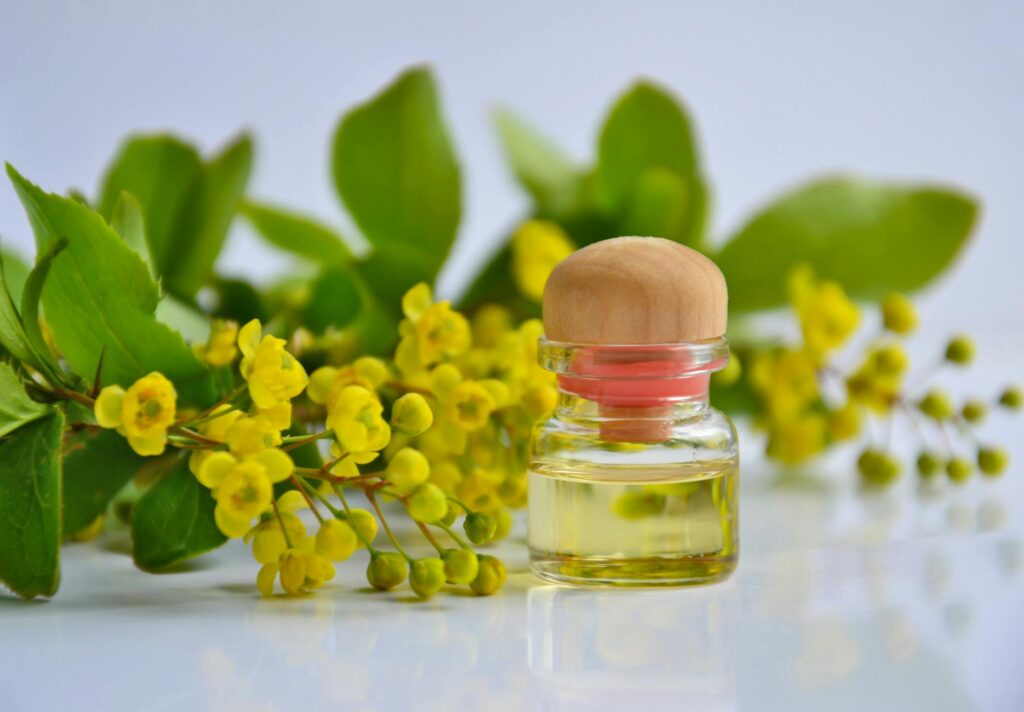
How to Use Elderberry Oil Extract
Introduction
Elderberry, known scientifically as Sambucus, is a genus of flowering plants in the Adoxaceae family. It has garnered considerable attention for its potential health benefits, particularly its berries and flowers. Among the various forms of elderberry products, elderberry oil extract stands out for its unique properties and applications. This article aims to provide a comprehensive understanding of elderberry oil extract, exploring its benefits, uses, and safety considerations.
What Is Elderberry Oil Extract?
Elderberry oil extract is derived from the berries of the elderberry plant, specifically the Sambucus nigra species. The extraction process typically involves cold pressing or steam distillation, which retains the beneficial properties of the berries while producing a concentrated oil. This oil is rich in antioxidants, vitamins, and essential fatty acids that contribute to its therapeutic properties.
The oil can be utilized in various forms, including carrier oil blends, topical applications, and aromatherapy. Elderberry oil extract is often praised for its pleasant aroma, which is slightly sweet and fruity, making it a favored choice in personal care products and holistic practices.
Key Benefits and Properties
Elderberry oil extract is celebrated for its diverse array of beneficial properties. While further research is needed to fully understand its effects, some of the key benefits attributed to elderberry oil include:
1. Antioxidant Properties: The oil is rich in flavonoids, particularly anthocyanins, which have potent antioxidant effects. These compounds help combat oxidative stress in the body, protecting cells from damage.
2. Anti-Inflammatory Effects: Elderberry oil may exhibit anti-inflammatory properties, making it a potential ally in soothing irritated skin and reducing inflammation.
3. Immune Support: Traditionally, elderberry has been used to support immune health. The oil may help bolster the body’s natural defenses, although further studies are needed to substantiate this claim.
4. Moisturizing Qualities: When used in skincare, elderberry oil can help hydrate and nourish the skin, making it suitable for various skin types, including dry and sensitive skin.
5. Antimicrobial Properties: Some studies suggest that elderberry oil may possess antimicrobial properties, which could help in preventing infections when applied topically.
Common Uses
Elderberry oil extract is versatile and can be used in numerous applications. Here are some common uses:
1. Skincare: Elderberry oil is often included in lotions, creams, and serums due to its moisturizing and anti-inflammatory benefits. It can be particularly beneficial for those with dry or irritated skin.
2. Hair Care: The oil can be used in shampoos and conditioners to enhance hair health. Its moisturizing properties may help combat dryness and promote shiny, manageable hair.
3. Massage Oil: When diluted with a carrier oil, elderberry oil can be used for massage. Its potential anti-inflammatory effects may provide relief to sore muscles.
4. Aromatherapy: The pleasant scent of elderberry oil makes it suitable for use in diffusers, allowing users to enjoy its aroma while potentially reaping its therapeutic benefits.
5. Household Products: Due to its antimicrobial properties, elderberry oil can be incorporated into homemade cleaning products for a natural cleansing agent.
Aromatherapy Applications
In the realm of aromatherapy, elderberry oil extract can be utilized in various ways to promote relaxation and well-being:
1. Diffusion: Adding a few drops of elderberry oil to a diffuser can create a calming atmosphere. The aroma may help uplift mood and promote a sense of tranquility.
2. Inhalation: For a more direct approach, inhaling the oil from the bottle or a tissue can provide immediate sensory benefits, which may help during moments of stress or anxiety.
3. Bathing: Incorporating elderberry oil into a warm bath can enhance relaxation. Mixing it with carrier oils or bath salts allows for a soothing experience, benefiting both mind and body.
4. Personal Care Products: Elderberry oil can be added to homemade lotions, balms, and scrubs, providing both aromatic and therapeutic benefits in personal care routines.
Safety Considerations
While elderberry oil extract is generally considered safe for most individuals, there are some important safety considerations to keep in mind:
1. Dilution: Essential oils, including elderberry oil, should typically be diluted with a carrier oil before topical application. This reduces the risk of skin irritation.
2. Patch Test: Before using elderberry oil on larger areas of the skin, it is advisable to conduct a patch test. Apply a small amount of diluted oil to a discreet area and monitor for any adverse reactions.
3. Pregnancy and Nursing: Pregnant or nursing individuals should consult a healthcare professional before using elderberry oil extract.
4. Allergies: Those with known allergies to elderberry or related plants should avoid using elderberry oil extract.
5. Storage: Proper storage is crucial to maintaining the oil’s potency. Keep the oil in a cool, dark place away from direct sunlight.
Storage and Shelf Life
The shelf life of elderberry oil extract can vary based on its method of production and storage conditions. Generally, if stored properly, elderberry oil can last from one to two years. To ensure longevity:
1. Store in Dark Bottles: Use dark glass containers to minimize light exposure, which can degrade the oil.
2. Keep in a Cool Place: Store the oil in a cool, dry area, away from heat sources to prevent oxidation.
3. Avoid Contamination: Always use clean utensils when dispensing the oil to prevent contamination, which can lead to spoilage.
4. Check for Signs of Spoilage: Regularly inspect the oil for changes in color, odor, or consistency. If any of these changes occur, it may be best to discard the oil.
Frequently Asked Questions
1. Can I use elderberry oil extract on my skin?
Yes, elderberry oil extract can be used on the skin, but it should be diluted with a carrier oil before application to avoid irritation.
2. Is elderberry oil safe for children?
While elderberry oil is generally safe, it is recommended to consult a healthcare professional before using it on children.
3. How can I incorporate elderberry oil into my skincare routine?
Elderberry oil can be added to lotions, creams, or serums. It can also be used in homemade face masks or scrubs.
4. Can elderberry oil help with colds or flu?
Elderberry is traditionally associated with immune support, but the oil’s effectiveness for colds or flu has not been substantiated through clinical research. Always consult a healthcare professional for medical concerns.
5. Where can I purchase elderberry oil extract?
Elderberry oil extract can be found at health food stores, online retailers, and specialty shops that focus on essential oils and natural products.
Conclusion
Elderberry oil extract is a multifaceted product that offers a range of potential benefits and applications. Its rich antioxidant and anti-inflammatory properties make it a valuable addition to skincare, hair care, and aromatherapy practices. By understanding its uses and safety considerations, individuals can incorporate elderberry oil extract into their daily routines, enhancing their overall well-being. As with any natural product, informed usage is key to maximizing its benefits.